
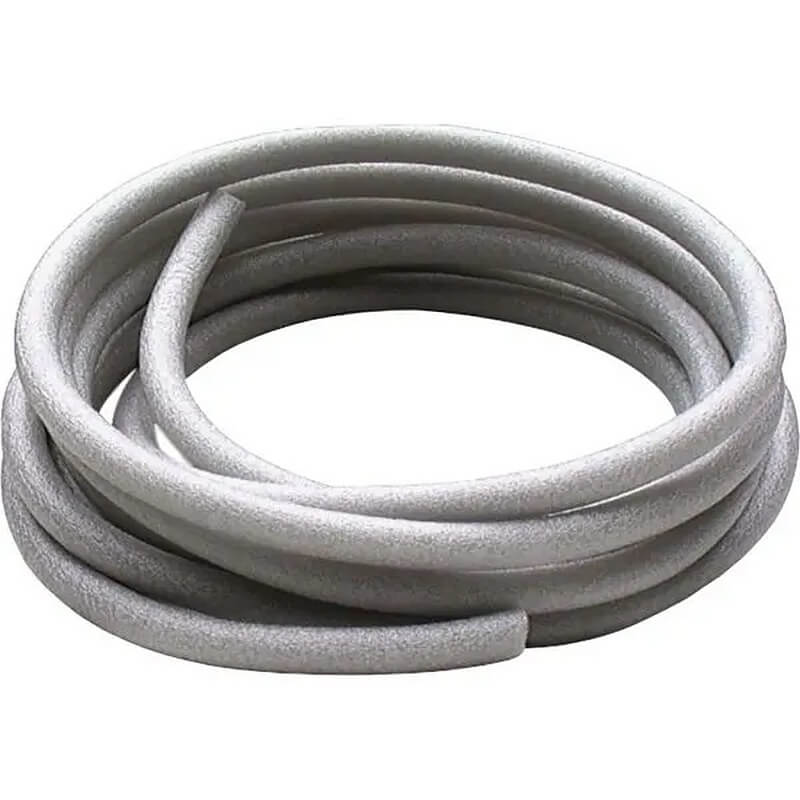
M-D Building Products Gray Foam Backer Rod 1/2”x20’
$4.84
Out of stock
-
Free Store Pickup
Available for MO, AR, KS, OK addresses at checkout
-
Shipping
Ships to lower 48 (excl. CA) on eligible items. -
Local Delivery
Available by phone; call to place order & schedule delivery
-
Shop In-Store
Open Mon–Sat, 8 am–6 pm for all items.
This M-D Building Products Gray Foam Backer Rod acts as an essential “caulk saver” for filling medium-sized gaps and joints before applying sealant. The 1/2 inch diameter, closed-cell polyethylene foam is non-absorbent and flexible, designed to be pressed into cracks in sidewalks, expansion joints in driveways, window frames, and wall joints. By filling most of the space, the 20 foot length of backer rod reduces the amount of expensive caulk needed, ensures the caulk sets to the proper depth, and prevents three-point bonding for a longer-lasting seal.
Key Features of M-D Building Products Gray Foam Backer Rod
Additional Information
To install this backer rod correctly, ensure it is set to the proper depth in the joint so that the subsequent layer of caulk will be no thicker than 1/2 of the joint width and no thinner than 1/4 inch. Use a blunt tool, like a putty knife handle, to gently push the rod into the gap without puncturing the foam. This ensures the caulk has the necessary body and flexibility to cure correctly and move with the joint over time.
More to Choose From
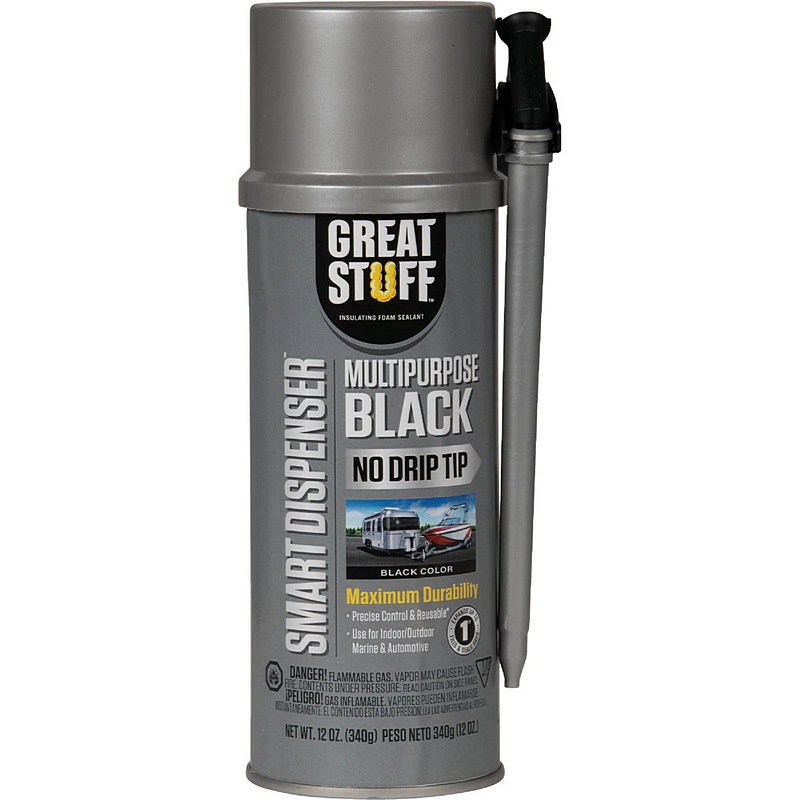
Great Stuff Smart Dispenser Multi-Purpose Black Sealant 12 oz
Price: $12.84
SKU: 1903517
In stock
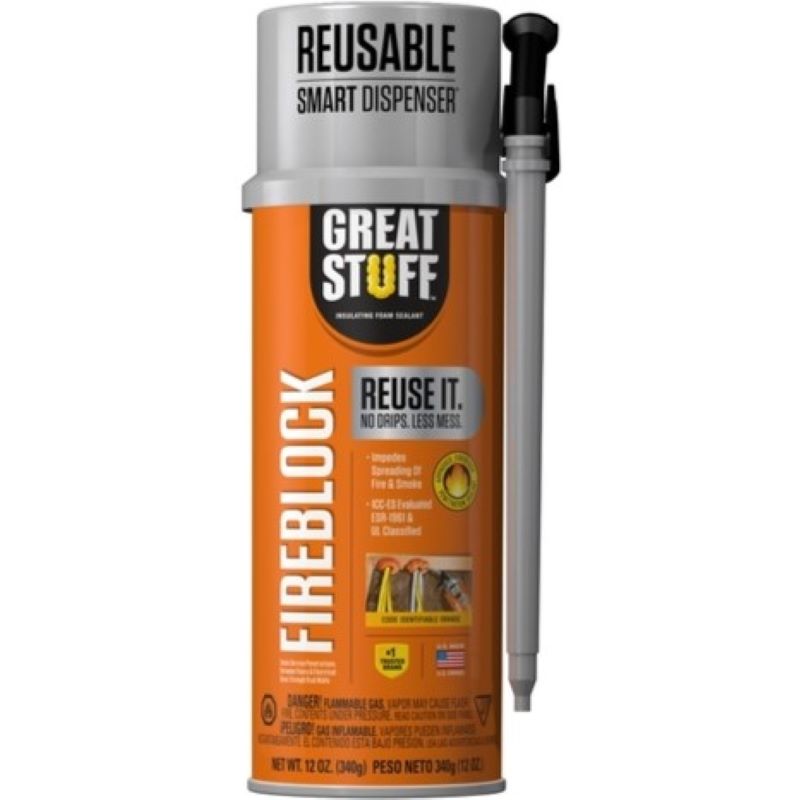
Great Stuff Smart Dispenser Fireblock Insulating Foam Sealant 12 oz
Price: $13.86
SKU: 1903475
In stock
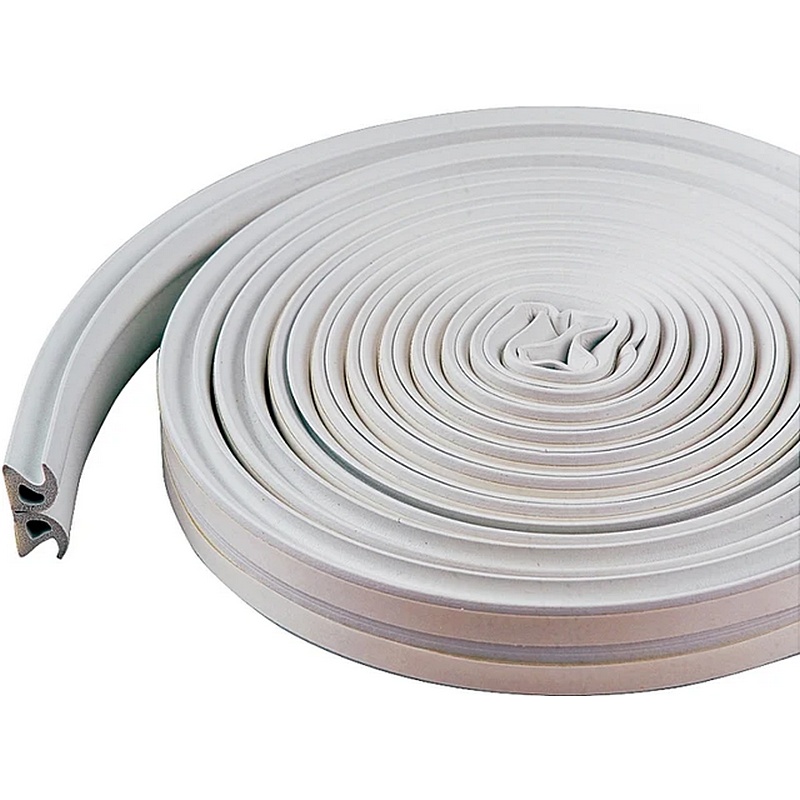
M-D All Climate Thermablend White Weatherstrip Tape 3/8”x17’
Price: $11.74
SKU: 8783813
In stock
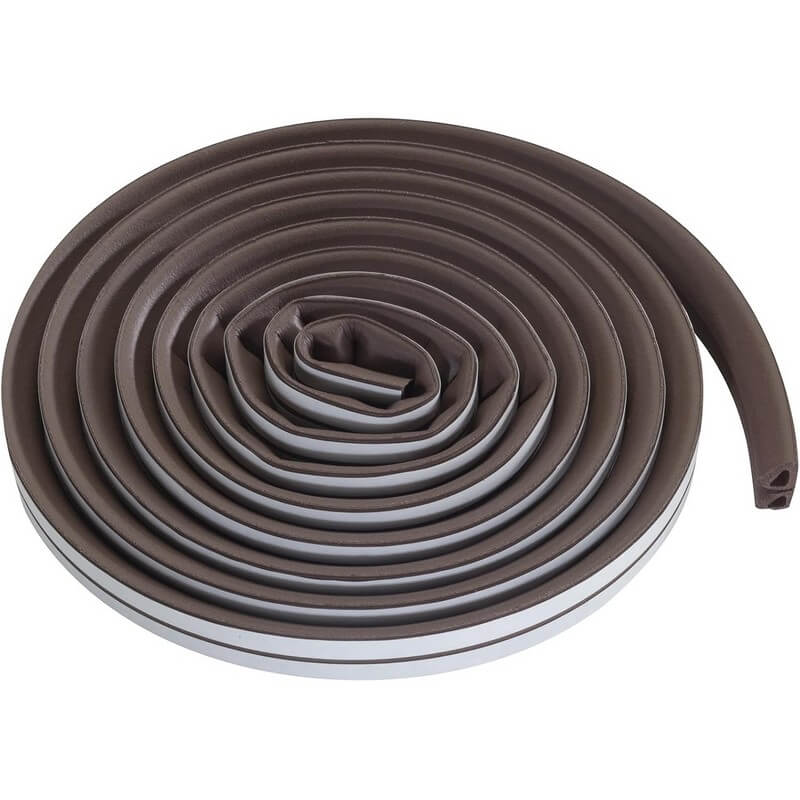
M-D All Climate ThermaBlend Brown Weatherstrip Tape 3/8”x17’
Price: $13.86
SKU: 5393046
In stock