
T-Post Fence
T-posts are the go-to post for most farm and ranch fencing projects. They drive fast, hold up well in most soils, and work with just about any wire type. A standard t-post line fence goes up quicker than wood post construction, which makes t-posts especially popular for pasture division, perimeter lines, and anywhere you’re covering a lot of ground. Post height is the main variable to sort out based on your fence height and how deep you’re driving them. Nixa Hardware & Seed Co carries t-posts in the common sizes used for livestock and property fencing across the Ozarks.
Showing the single result
Helpful Questions & Answers
Find answers to common questions about T-Post Fence from the Nixa Hardware & Seed Co team.
How To Install T Post Fencing
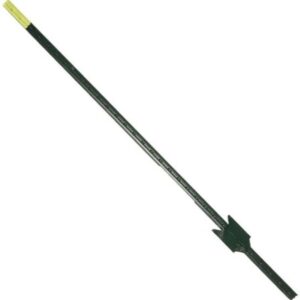
Setting up a T-post fence starts with a straight string line to keep the run from wandering across the property. You want to space the posts about 8 to 12 feet apart, depending on how much tension you’re putting on the wire. Using a manual or gas-powered post driver is the only way to go; just make sure the anchor plate at the bottom is completely buried so the post doesn’t wiggle when an animal leans on it. The “studs” or bumps on the post should always face toward the livestock so the wire clips have something to bite into. It is a straightforward, mechanical process that moves surprisingly fast once you get into a rhythm. Just keep an eye on the vertical level to ensure your fence doesn’t look like it’s leaning into a permanent nap.
What Size T Post For 5 Foot Fence
Selecting the right height involves matching the post to the specific needs of your fencing material and your soil type. For a standard 5-foot fence, a 6.5-foot post is often tempting, but it usually doesn’t leave enough “meat” in the ground for a permanent installation. Opting for the 7-foot size ensures that you can drive the post deep enough to clear the frost line and keep the anchor plate from surfacing. This extra length also provides a bit of a buffer at the top, allowing you to run a strand of barbed wire slightly above the mesh to discourage animals from reaching over. It is always better to have a few inches of extra post sticking out than to have a fence that’s only half-anchored in the topsoil. Investing in the right length now saves you from a leaning fence later.