Transmission Fluid
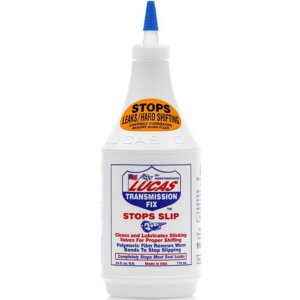
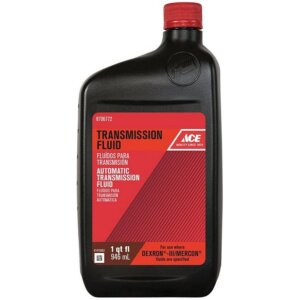
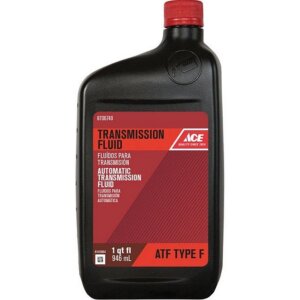
Using the correct transmission fluid is just as important as using the right motor oil. The wrong type can cause shifting problems or damage seals over time. Nixa Hardware & Seed Co carries automatic transmission fluid in common specifications, along with a transmission fix additive for addressing minor slipping or rough shifting. Because transmission fluid specs vary by vehicle make and year, it’s worth a quick check of your owner’s manual before you buy. Dexron III/Mercon covers a wide range of domestic vehicles, but some older Ford applications require Type F.
Helpful Questions & Answers
Find answers to common questions about Transmission Fluid from the Nixa Hardware & Seed Co team.
Why Is Transmission Fluid Red?
The bright red color is a dye added by manufacturers to help distinguish it from motor oil or antifreeze. If you walk out to the driveway and see a pink or red puddle, you know exactly which system is leaking without needing a mechanic’s degree. Over time, that vibrant red will start to turn brown or even black as the transmission fluid gets hot and ages. Keeping an eye on the color is a simple way to check the health of the gearbox without any specialized tools.
Does Transmission Fluid Go Bad
Yes, transmission fluid eventually wears out due to the high heat generated inside the gearbox. As the fluid circulates, it picks up tiny bits of metal and friction material that can eventually clog up the internal passages. High temperatures cause the fluid to oxidize, which makes it lose its ability to lubricate and cool effectively. If the fluid starts to smell like burnt toast or looks dark and gritty on the dipstick, it has definitely gone bad. Replacing it before it reaches that stage is the best way to keep the gears shifting smoothly.
How Often Should Transmission Fluid Be Changed
Most manufacturers recommend a change every 30,000 to 60,000 miles, but it depends heavily on how the vehicle is used. If you’re regularly pulling a heavy trailer or driving in stop-and-go traffic, the transmission fluid gets much hotter and breaks down faster. Some newer cars claim to have “lifetime” fluid, but many technicians suggest a fresh batch every 100,000 miles regardless of the manual. Checking the specific owner’s manual is the best starting point, but don’t be afraid to change it earlier if you do a lot of heavy hauling.