
Sweeps
Door sweeps and bottoms seal the gap between the door and the threshold, keeping out drafts, insects, and moisture without making the door hard to open and close. Vinyl and aluminum styles are the most common, with vinyl being a softer, quieter option and aluminum-backed sweeps holding up better on exterior doors that see a lot of use. Hardwood thresholds and sweeps are worth considering where appearance counts, like on a front entry door. Getting the right width and length for your door is the main fitment consideration, and most sweeps can be trimmed to fit standard door widths.
Showing the single result
-
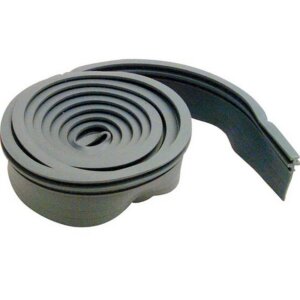
Prime-Line Bottom Mount Gray Vinyl Shower Door Sweep 3/4”x36”
$2.76 + Add to CartSKU: 5065347
-
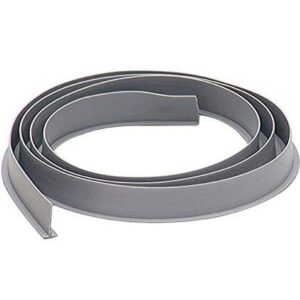
M-D Building Products Gray Vinyl Door Bottom 1/2”x37”
$2.76 + Add to CartSKU: 5315502
-
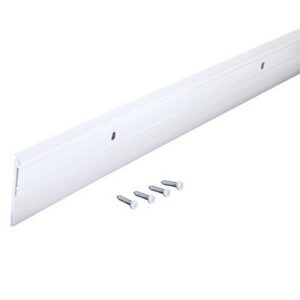
M-D Heavy-Duty White Aluminum & Vinyl Door Sweep 36”
$12.86 + Add to CartSKU: 9234451
-
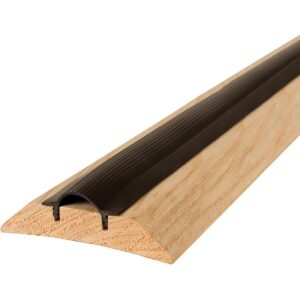
M-D Low Oak Hardwood & Vinyl Low Threshold 1-1/8”x3-1/2”x36”
$19.86 + Add to CartSKU: 5355508
-
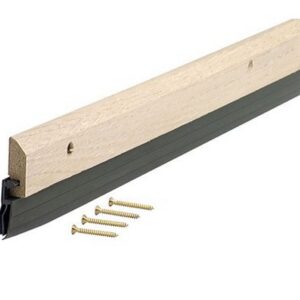
M-D Natural Oak Hardwood Door Sweep 1-3/4”x36”
$14.86 + Add to CartSKU: 9674102
-
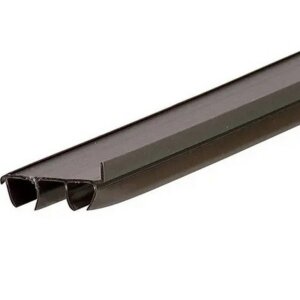
M-D Building Products Brown Vinyl Door Bottom 36”
$8.42 Awaiting RestockSKU: 6631238
Helpful Questions & Answers
Find answers to common questions about Sweeps from the Nixa Hardware & Seed Co team.
What To Do For A Door Sweep If Door Is Metal
If you prefer a more permanent mechanical attachment for your steel door, you will want to use self-tapping screws or “U-shaped” Sweeps that slide right over the bottom edge. These slip-on models are fantastic because they grip both sides of the door and typically include several layers of fins to block out the wind. When you visit Nixa Hardware & Seed Co, look for kits specifically designed for metal entryways; these usually include the specialized fasteners needed to bite into the steel without stripping out. A well-installed screw-on Door Sweep is incredibly durable and won’t budge even with heavy daily use. It is a rugged solution for those high-traffic entries that lead out to the garage or the back porch.
Do Door Sweeps Go On The Inside Or Outside
While the interior is the go-to spot for most homes, the placement of Sweeps really depends on which way the door swings and what you are trying to block. For an “outswing” door, you generally want the sweep on the exterior side to shed water away from the threshold. If your main concern is keeping pests and dirt out of a garage or shop in the 417 area, mounting the Door Sweep on the outside can be very effective at stopping debris before it ever crosses the line. We suggest closing the door and holding the sweep in place to see where it makes the best contact with the floor. Regardless of which side you choose, the goal is a tight, consistent seal that doesn’t drag so hard it makes the door difficult to close.