
Clay Pots
Terra cotta clay pots are the classic choice for a reason. They breathe, they drain well, and they create the right environment for most plants to thrive. Standard clay pots, orchid pots, footed planters, wall pocket planters, and handmade decorative styles cover everything from a simple windowsill herb pot to a statement piece on the front porch. Terra cotta dries out faster than glazed ceramic or plastic, so plants in clay pots need more frequent watering in hot weather. That is something worth keeping in mind when choosing pots for a summer container garden.
Showing the single result
-
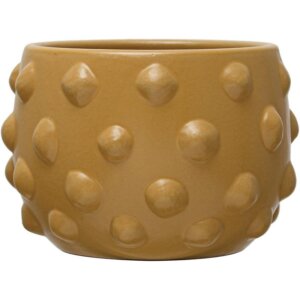
Raised Dots Terra-Cotta Planter
$14.38 + Add to CartSKU: 214290
-
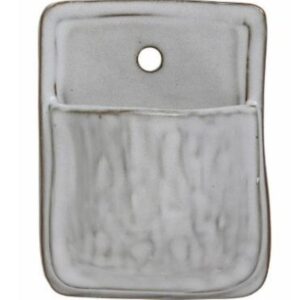
Terra Cotta White Wall Pocket Planter 6 in
$6.00 + Add to CartSKU: 209060
-
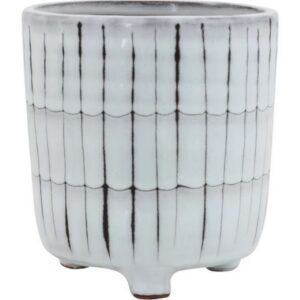
Terra Cotta White & Black Footed Planter 5 in
$11.74 + Add to CartSKU: 209049
-
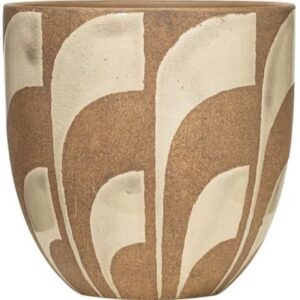
Hand-Painted Terra Cotta White & Tan Flag Planter 6 in
$24.76 + Add to CartSKU: 209063
-
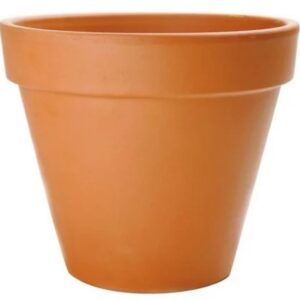
Deroma Clay Terra Cotta Pot
Price range: $1.42 through $17.84 + Add to CartSKU:
-
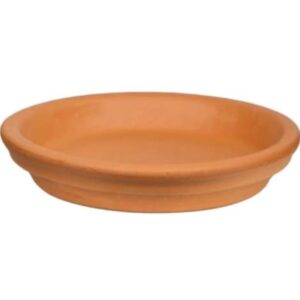
Deroma Clay Terra Cotta Plant Saucer
Price range: $1.42 through $11.84 + Add to CartSKU:
-
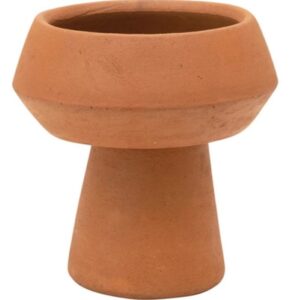
Handmade Terra Cotta Tall Footed Planter 7 in
$19.86 Awaiting RestockSKU: 208997
-
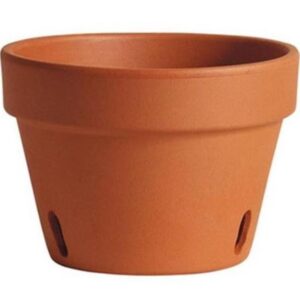
Dermoa Clay Terra Cotta Orchid Pot 8 in
$4.86 Awaiting RestockSKU: 7313661
-
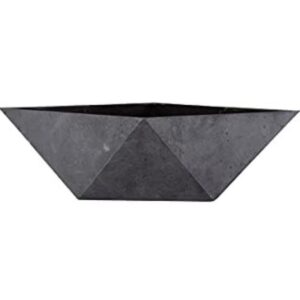
Deco Faux Concrete Succulent Bowl 6 in
$4.84 Awaiting RestockSKU: 165767
Helpful Questions & Answers
Find answers to common questions about Clay Pots from the Nixa Hardware & Seed Co team.
What Is A Clay Pot
Often called terracotta, these are the “bread and butter” of the gardening world. They are made from fired clay that remains porous, which means the walls of the pot actually allow air and moisture to pass through them. This breathability is a lifesaver for plants like succulents, cacti, or lavender that prefer their soil to dry out quickly between waterings. Unlike plastic or glazed ceramic, a clay pot helps prevent “wet feet” by wicking excess moisture away from the roots. Over time, they develop a natural patina or a white mineral crust that many gardeners love for its rustic, weathered look. They are heavy enough to stay upright during a breezy afternoon and provide a timeless, earthy aesthetic that fits any Missouri landscape.
How To Paint A Clay Pot
Before you pick up a brush, the most important step is ensuring the pot is bone-dry and free of any dust or loose clay. If you want your design to last, we recommend sealing the inside of the pot with a clear waterproof sealer; this prevents moisture from soaking through the clay and bubbling your paint from the back. High-quality acrylic or chalk paints are the go-to choices for the exterior because they bond well to the textured surface and handle the outdoor elements effectively. Once your artwork is finished, a final coat of UV-resistant clear spray will keep the colors from fading under the intense summer sun. It’s an easy, creative way to turn a basic utility item into a custom standout piece for your porch or sunroom.
How To Clean A Clay Pot
Cleaning these containers is mostly about tackling the “white crust” or efflorescence that builds up as minerals from your water seep through the porous walls. A simple soak in a solution of one part white vinegar to four parts water will dissolve those chalky spots in about twenty to thirty minutes. If you’re prepping a pot that previously held a sick plant, it is a smart move to give it a ten-minute dip in a 10% bleach solution to kill off any lingering pathogens. Use a stiff scrub brush to remove any stubborn dirt or algae, then rinse the pot thoroughly with fresh water. Make sure the clay is completely dry before you add new soil, as the damp material can harbor mold if it’s tucked away in a dark corner.