
Cat Scratcher
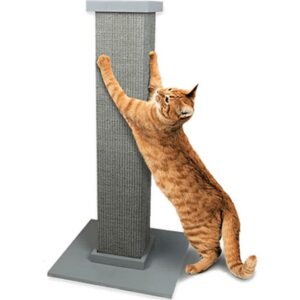
Scratching is not a behavioral problem. It’s just what cats do, and redirecting it is easier when the scratcher is in the right spot. Cardboard scratchers are low cost and get replaced regularly. Sisal posts last longer and handle cats that put real effort into it. A post needs to be tall enough for a full stretch, otherwise most cats will ignore it. Cat scratchers at Nixa Hardware & Seed Co come in both materials and orientations, horizontal and vertical, for cats with strong opinions about both.
Showing the single result
Helpful Questions & Answers
Find answers to common questions about Cat Scratcher from the Nixa Hardware & Seed Co team.
What Is The Best Material For A Cat Scratcher?
Sisal is the heavyweight champion of durability. It’s a natural fiber that’s incredibly tough, standing up to even the most determined claws for months or even years. Whether it’s wrapped in rope or used as a flat woven fabric, sisal provides a satisfyingly rough texture that mimics the bark of a tree. Unlike cardboard, it won’t leave a trail of shredded debris across your rug every morning. It’s an investment that pays off in longevity, especially if your cat is a heavy hitter who loves to really lean into a long, vertical stretch. Most cats take to it immediately because of that natural, earthy feel.
How Many Cat Scratchers Do I Need
Placement is often more important than the raw number, but a good rule of thumb is to have at least one cat scratcher in every room where your pet spends significant time. If you only have one in a back bedroom, your living room sofa is going to look like a much more convenient target when the urge to stretch hits. Cats use scratching to mark territory and “reset” their muscles after a nap, so placing them near sleeping areas or high-traffic zones is key. Having a mix of vertical posts and horizontal pads ensures that no matter how they feel like stretching, there is always a “legal” spot for them to do it.