Adhesive Remover
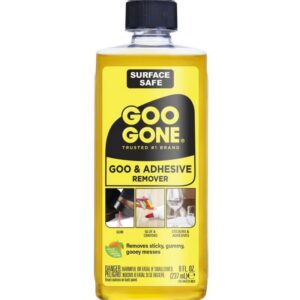
Sticky residue from labels, tape, stickers, and price tags has a way of turning a simple project into a frustrating chore. Adhesive remover takes care of those stubborn spots on glass, metal, wood, and most hard surfaces without a lot of scrubbing. You’ll find both citrus-based formulas and solvent-style options at Nixa Hardware & Seed Co, so it’s worth thinking about the surface you’re working on and whether you need something safe for painted or finished materials before you grab a bottle.
Showing the single result
Helpful Questions & Answers
Find answers to common questions about Adhesive Remover from the Nixa Hardware & Seed Co team.
How To Remove Adhesive
Patience is usually the most important ingredient when dealing with stubborn gunk. Start by dabbing the Adhesive Remover onto the sticky spot and letting it sit for a few minutes. This wait time allows the formula to penetrate the residue and break down the bond without you having to scrub like crazy. For surfaces like glass or metal, using a plastic scraper can help lift the softened adhesive without leaving a permanent scratch behind. If you are working on a finished cabinet or a painted wall, our team suggests testing a small, hidden spot first to make sure the finish stays intact before you commit to the whole area.
What Is The Best Adhesive Remover
The “best” choice really comes down to what you are trying to clean and what it is stuck to. For most household chores, like removing price tags from wood or plastic, a citrus-basedAdhesive Remover is a top choice because it is gentler on many finishes and smells a lot better. However, if you are dealing with heavy-duty construction adhesive or tar on metal, our staff typically recommends a solvent-style formula. These are much more aggressive and cut through the thickest residue quickly. Our suggestion is to keep a bottle of both on the workshop shelf so you are prepared for everything from a sticky window to a messy repair project.