
Chain Link Fencing
Chain link fencing is a practical choice for yard boundaries, dog runs, garden enclosures, and anywhere you need a visible, low-maintenance barrier. Nixa Hardware & Seed Co. carries chain link fence fabric, posts, top rails, tension bars, and walk gates, giving you everything you need to put a run or enclosure together from scratch. Fabric comes in 48″ and 72″ heights, so whether you are keeping a medium-sized dog in or just marking a property line, there is a size that fits the job. When planning an installation, having the right posts, rails, and tension hardware from the start saves extra trips and keeps the job moving.
Showing the single result
-
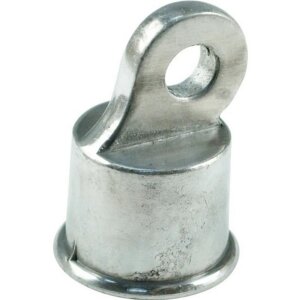
Yardlink Silver Aluminum Chain Link Rail End Cap 1-3/8”
$1.86 + Add to CartSKU: 7020431
-
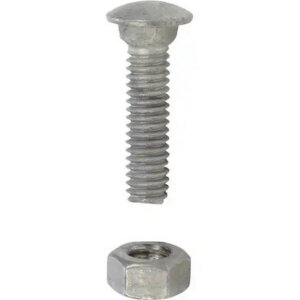
YardGard Galvanized Steel Chain Link Fitting Carriage Bolt 5/16”x1-1/4” 20 pk
$7.54 + Add to CartSKU: 7104706A
-
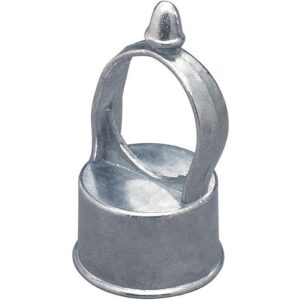
Midwest Air Aluminum Chain Link Eye Top Cap 1.625”
$1.76 + Add to CartSKU: 7020449
-
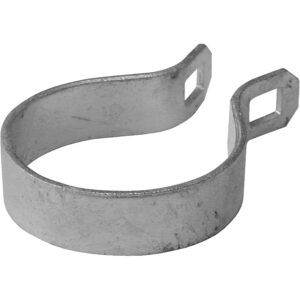
YardGard Galvanized Steel Chain Link Band Brace 3.66”
$0.84 + Add to CartSKU: 7020498
-
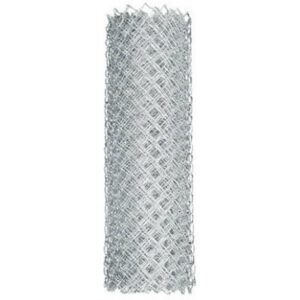
YardGard Galvanized Steel Chain Link Fence 11.5 ga 48”x50’
$139.86 + Add to CartSKU: 7191349
-
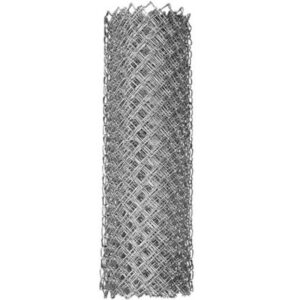
YardGard Galvanized Steel Chain Link Fence 11.5 ga 72”x50’
$219.86 + Add to CartSKU: 7283898
-
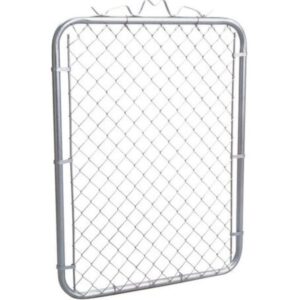
YardGard Galvanized Steel Chain Link Walk Gate 48”
$59.86 + Add to CartSKU: 7282841
-
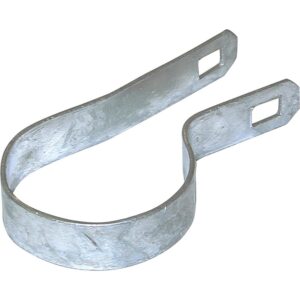
YardGard Steel Chain Link Band Brace 4.72”
$1.42 + Add to CartSKU: 7020506
-
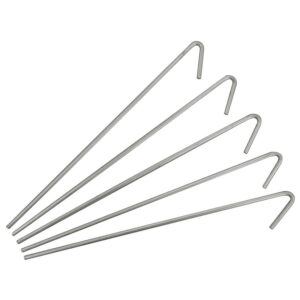
YardGard Aluminum Multi-Purpose Silver Fence Ties
$3.84 + Add to CartSKU: 7020316
-
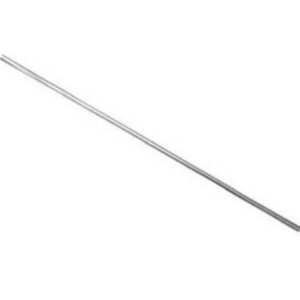
YardGard Chain Link Fence Post Line 16ga 1-5/8”x56″
$12.84 + Add to CartSKU: 7399991
-
YardGard Chain Link Fence Tension Bar 7ga 48”
$2.84 + Add to CartSKU: 7400054
-
YardGard Chain Link Fence Tension Bar 7ga 72”
$4.84 + Add to CartSKU: 7400047
-
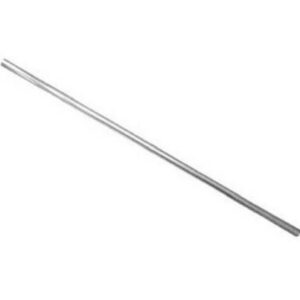
YardGard Chain Link Fence Terminal Post 16 ga 2-3/8″x6’
$16.86 + Add to CartSKU: 7400062
-
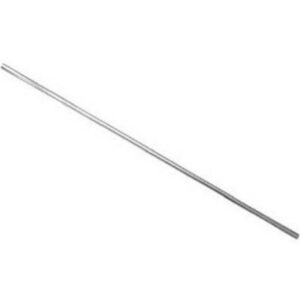
YardGard Chain Link Steel Top Rail 1-3/8” x 10’6″
$17.84 + Add to CartSKU: 7103369
-
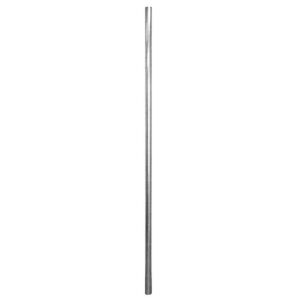
YardGard Corner Post 16 ga 2-3/8″x8’
$25.86 + Add to CartSKU: 7400021
-
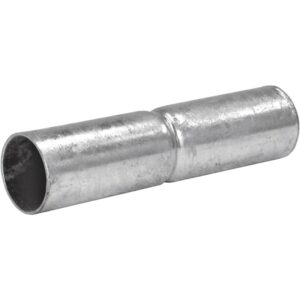
YardGard Galvanized Silver Steel Chain Link Top Rail 6”
$2.86 + Add to CartSKU: 7020423
Helpful Questions & Answers
Find answers to common questions about Chain Link Fencing from the Nixa Hardware & Seed Co team.
Can You Paint Chain Link Fence
Refreshing a galvanized fence with a coat of paint is entirely possible, but it requires the right approach to make it last. Since the metal is usually slick, starting with a primer specifically designed for galvanized surfaces prevents the topcoat from flaking off in a few months. A thick-nap roller is usually the best tool for the job, as it can wrap around the mesh much faster than a brush ever could. While it’s a budget-friendly way to change the look of your yard, keep in mind that the labor involved is significant compared to just buying pre-coated vinyl fencing. It is a satisfying weekend project if you have the patience to get into all those little nooks and crannies.
How Far Apart Should Chain Link Fence Posts Be
Consistency is the most important factor when laying out your post holes, usually aiming for a maximum of 10 feet between each one. If you’re building a fence in the Springfield-Nixa area where the wind can really pick up across open lots, some folks prefer to pull those posts in to 8-foot centers for a bit of extra structural integrity. The terminal posts—the ones at the corners or the ends—carry the most stress, so they should be set slightly deeper and wider than the line posts in the middle. Once the posts are in and the concrete has cured, the top rail acts as a bridge that ties everything together. Taking the time to string a line and mark your spots accurately saves a massive amount of headache once you start unrolling the wire.
How To Pull Chain Link Fence Tight
Tensioning the fence is much easier if you have a helper to watch the top and bottom of the fabric as you pull. Focusing the pull on the terminal posts is key, as the line posts are only there to provide vertical support and can’t handle much sideways pressure. If you over-tighten, you risk bending those end posts inward, so it is a bit of a balancing act to get it just right. Once the tension is set, use aluminum tie wires to secure the mesh to the top rail and the line posts every 12 to 15 inches. This keeps the fabric from fluttering in the wind and ensures the whole structure feels solid and dependable for years to come.