Knives & Tools
Most people who own a good knife can tell you exactly where they bought it and how long they’ve had it. Gerber, Leatherman, and Case build the kind of edge tools that earn a permanent spot in a truck console and stay there. Folding saws, axes, multi-tools, and fillet sets cover the work that a pocket knife alone can’t. Buy once, keep it sharp, and it’ll outlast the situation that called for it.
Showing the single result
-
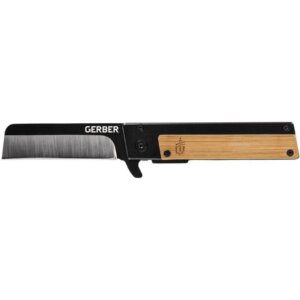
Gerber Quadrant Bamboo Handle Folding Knife 2.7”
$37.84 + Add to CartSKU: 8029330
-
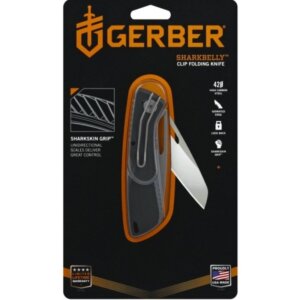
Gerber Sharkbelly Black Serrated Edge Folding Knife 7-3/4”
$38.74 + Add to CartSKU: 8029328
-
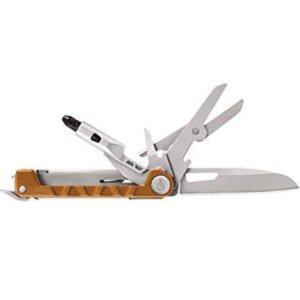
Gerber Armbar Drive Multi-Function Folding Knife 6-1/2”
$43.84 + Add to CartSKU: 8995342
-
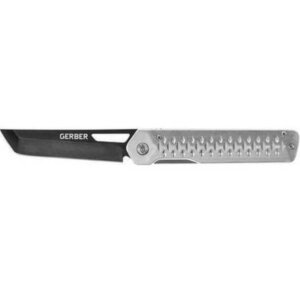
Gerber Ayako Silver Folding Pocket Knife 8.1”
$32.84 + Add to CartSKU: 8056074
-
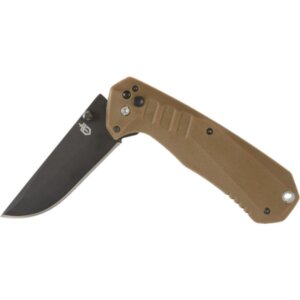
Gerber Haul Coyote Brown Folding Knife 7-3/4”
$46.84 + Add to CartSKU: 8029333
-
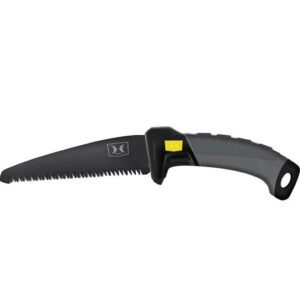
HAWK High Carbon Steel Folding Wood Saw 7”
$22.84 + Add to CartSKU: 221849
-
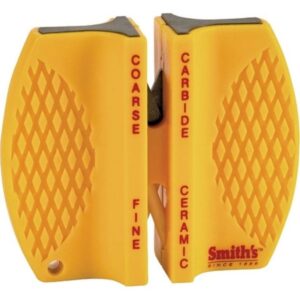
Smith’s 2-Step Carbide/Ceramic Knife Sharpener
$4.72 + Add to CartSKU: 2101632
-
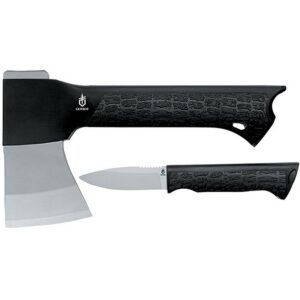
Gerber Gator Axe & Fixed Blade Knife Combo
$62.84 + Add to CartSKU: 9368432
-
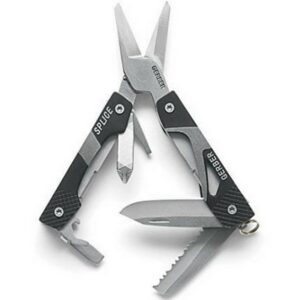
Gerber Splice 9-in-1 Pocket Tool
$23.84 + Add to CartSKU: 9368804
-
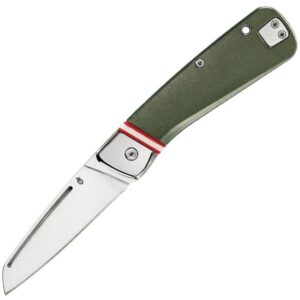
Gerber Straightlace Slip Joint Folding Pocket Knife
$38.74 + Add to CartSKU: 9369141
-
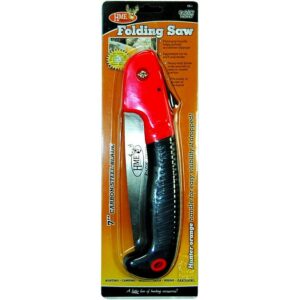
HME Carbon Steel Folding Hand Saw 7”
$8.86 + Add to CartSKU: 216785
-
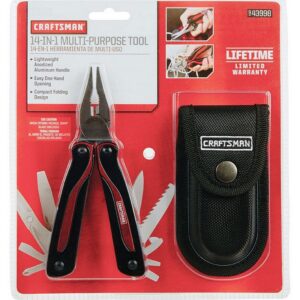
Craftsman 14-in-1 Multi-Purpose Tool 943998
$24.84 + Add to CartSKU: 2401362
-
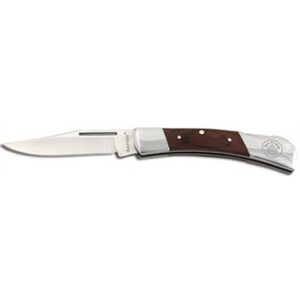
Sarge Wood Handle Lockback Knife 2-1/4”
$12.32 + Add to CartSKU: 124977
-
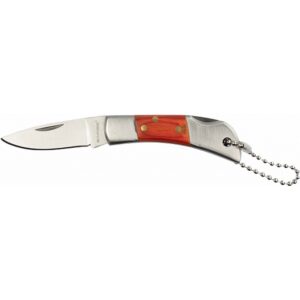
Mini Lockback Knife with Key Chain
$6.86 + Add to CartSKU: 124974
-
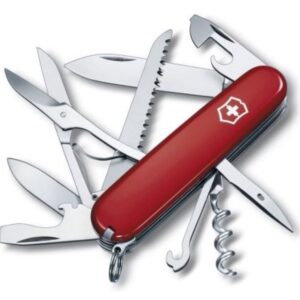
Victorinox Huntsman Swiss Army Pocket Knife 3-1/2″
$25.42 + Add to CartSKU: 8089310
-
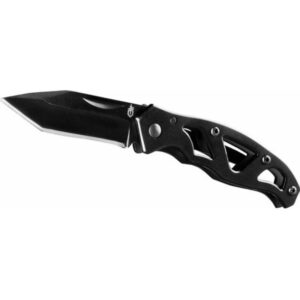
Geber Mini Paraframe Tanto Folding Knife
$18.74 + Add to CartSKU: 9368580
-
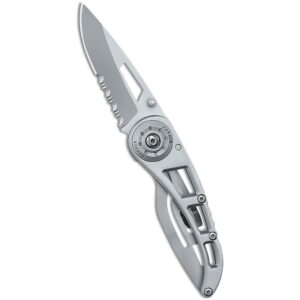
Geber Ripstop Serrated Folding Knife
$17.86 + Add to CartSKU: 9368325
-
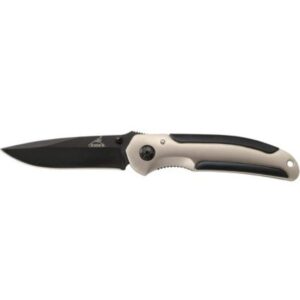
Gerber AR 3.00 Series Black Folding Knife
$44.86 + Add to CartSKU: 8192155
-
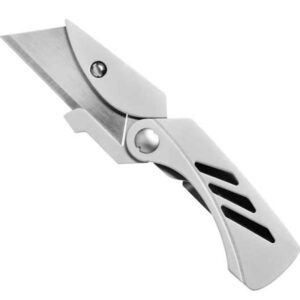
Gerber EAB Lite Utility Pocket Knife
$15.84 + Add to CartSKU: 9368374
-
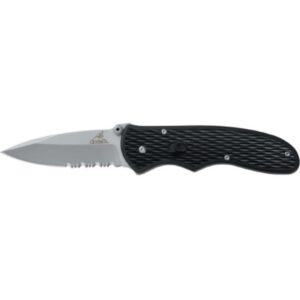
Gerber Fast Draw Serrated Knife
$51.84 + Add to CartSKU: 9368234
-
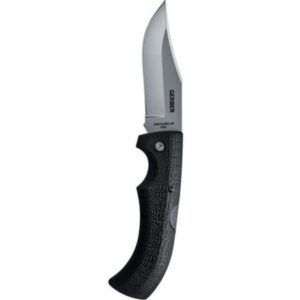
Gerber Gator Folding Knife 8.5″
$64.84 + Add to CartSKU: 9368549
-
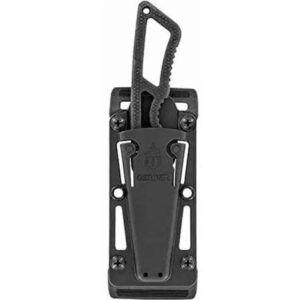
Gerber Tactical Ghostrike Fixed Blade Knife
$51.86 + Add to CartSKU: 9368879
-
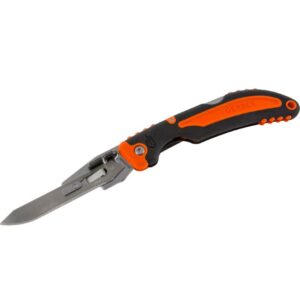
Gerber Vital Lockback Pocket Knife
$52.84 + Add to CartSKU: 9368705
-
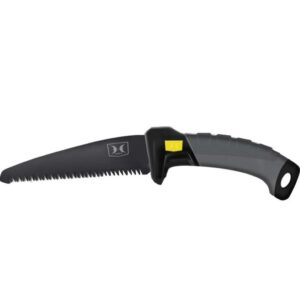
Hawk Hunting Adjustable Pruning Saw
$29.84 + Add to CartSKU: 211801
-
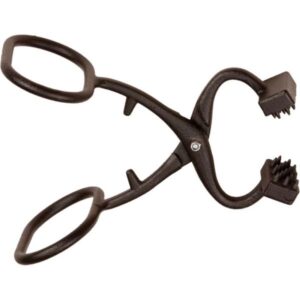
Hunting Made Easy Deer Skinning Claw
$22.42 + Add to CartSKU: 211934
-
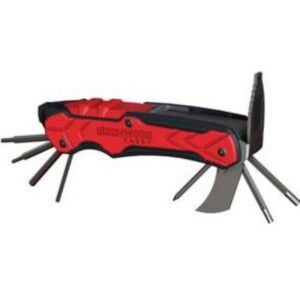
Birchwood Casey Universal Gun Multi-Tool
$35.84 + Add to CartSKU: 211783
-
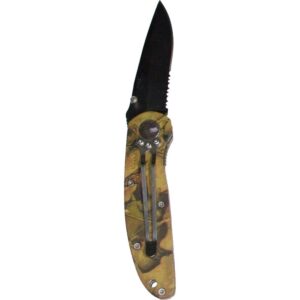
Camo Serrated Hunting Knife 7″
$8.87 + Add to CartSKU: 121868
-
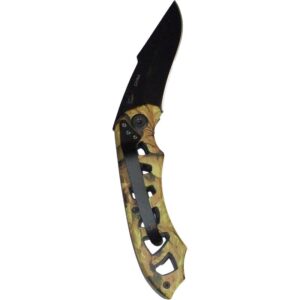
Camo Smooth Hunting Knife 7-1/2″
$8.64 + Add to CartSKU: 121872
-
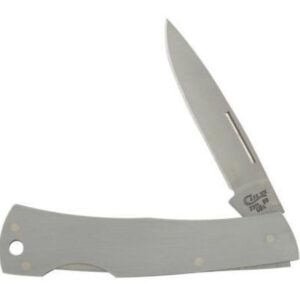
Case Executive Lockback Folding Knife 3″
$16.26 + Add to CartSKU: 8005829
-
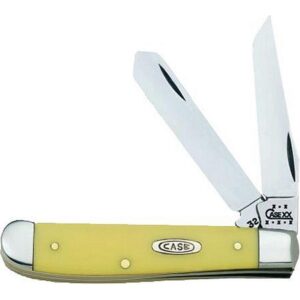
Case Trapper 2-Blade Pocket Knife 3-1/2″
$30.54 + Add to CartSKU: 8059149
Helpful Questions & Answers
Find answers to common questions about Knives & Tools from the Nixa Hardware & Seed Co team.
How To Sharpen Serrated Knives
We usually grab a ceramic sharpening rod that fits right into the scallops of the blade. Unlike a flat stone, you have to treat each “tooth” of the serration individually to get that factory edge back. It takes a bit more patience than a standard blade, but it beats trying to saw through a tomato with a dull piece of metal. We have spent many afternoons in the Ozark Hills fixing up edges that were neglected too long, and a simple rod is the best way to do it. Just run the rod through each notch at the right angle and your Knives & Tools will be back to work in no time.
How Often To Sharpen Knives
We treat sharpening like changing the oil in the tractor; it is better to do it too often than not often enough. For a blade that sees regular action, we usually hone the edge every few uses and do a full sharpening every couple of months. In 417-land, we rely on our Knives & Tools for everything from opening feed bags to skinning deer, and a dull edge is just a headache waiting to happen. If the blade starts tearing paper instead of slicing it, it is past time to get to work. Keeping a consistent edge saves you a lot of frustration and effort in the long run.
How To Remove Rust From Knives
Removing rust from a folding or pocket knife requires a bit more finesse than a fixed blade because you have to protect the pivot mechanism. We suggest starting with a “soak and scrub” method using a high-quality CLP (Cleaner, Lubricant, Preservative) or a shot of WD-40. Apply the solvent directly to the rusted areas and the pivot, letting it sit for about ten minutes to break the bond of the oxidation. Use a soft-bristled toothbrush to work the gunk out of the locking mechanism and the blade’s surface. High humidity can cause hidden rust inside the liners so blowing out the mechanism with compressed air after cleaning is a vital step. Always finish with a single drop of fresh oil on the pivot to keep the action smooth.