
Field Fence
Field fence is a workhorse option for containing livestock and protecting pastures, available in configurations matched to different animals and property needs. Horse fencing runs taller and uses closer vertical stays to prevent hooves and legs from getting caught, while sheep and goat fencing has tighter spacing near the bottom to keep smaller animals from pushing through. Standard field fence and barbless wire round out the options for general cattle and perimeter use. Height, stay spacing, and roll length are the main things to sort out before you buy, and getting those right saves a lot of frustration during installation.
Showing the single result
-
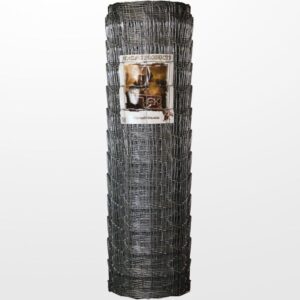
OK Brand Sheep/Goat Fencing 12.5 ga 48”x330′
$379.86 + Add to CartSKU: 103261
-
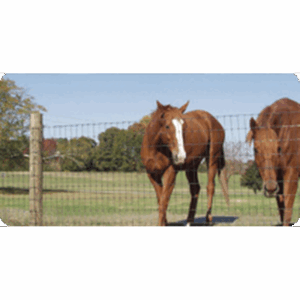
Bekaert Non-Climb Horse Fencing 60″x100’
$169.84 + Add to CartSKU: 128789
-
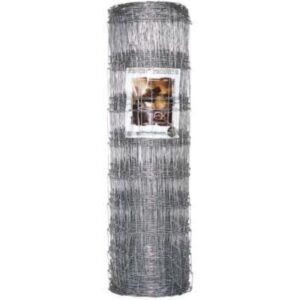
Field Fence 6” Stay 12.5ga 39”x330’
$218.76 + Add to CartSKU: 7001.241
-
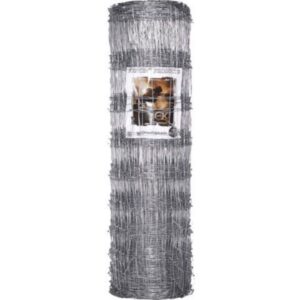
Field Fence 6” Stay 12.5ga 47”x330’
$228.74 + Add to CartSKU: 7001.266
-
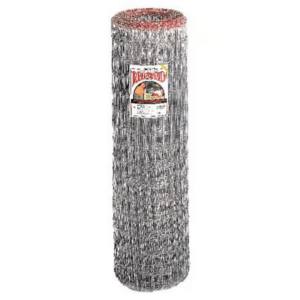
Max-Tight Horse Fencing 12.5ga 48 in x100 ft
$168.74 Awaiting RestockSKU: 72335


Helpful Questions & Answers
Find answers to common questions about Field Fence from the Nixa Hardware & Seed Co team.
How To Install Field Fence With T Posts
Many landowners in the Ozark, Republic and Springfield region prefer using T-posts for the bulk of their fencing because they are much easier to install in rocky ground than traditional wooden posts. Starting with solid corner braces is the most important part of this job because the T-posts themselves aren’t designed to handle the heavy tension of the wire. Once your wooden corner posts are set in concrete and braced, you can drive your T-posts every 8 to 12 feet along a string line to keep the run straight. Use a dedicated T-post driver to set them at a consistent height, ensuring the “studs” on the post face toward the area where the livestock will be kept. After unrolling the fence, you use specialized wire clips to snap the horizontal strands to the posts. This keeps the fence upright and secure while allowing it to move slightly during temperature changes.
How To Pull Field Fence Tight
Getting a professional-looking finish requires a stretcher bar, which is a heavy piece of steel that bolts onto the end of the fence roll to distribute the pull evenly. You attach a “come-along” or a heavy-duty chain to the bar and anchor it to a vehicle or a sturdy post further down the line. As you slowly crank the tension, the “kinks” or “crimps” in the horizontal wires should begin to straighten out slightly, but you don’t want to pull them completely flat. This built-in tension allows the fence to expand and contract with the seasons without sagging. Once it’s tight, you can staple or clip it to your posts to lock that tension in place for good.
What Is Field Fence
You can recognize this type of fencing by its characteristic grid pattern, which is usually made of galvanized steel for long-term rust resistance. It is specifically engineered for rural areas where you need a sturdy, permanent boundary for a variety of different animals. Most versions use a “hinge-joint” knot that allows the fence to fold under pressure and then spring back into shape, making it very durable against heavy snow or leaning livestock. It is an excellent middle-ground between expensive board fencing and basic barbed wire, offering high security for a reasonable price. Whether you’re fencing in a few acres for a hobby farm or a larger pasture, this mesh provides a clean look and solid protection.