
Bee Repellent
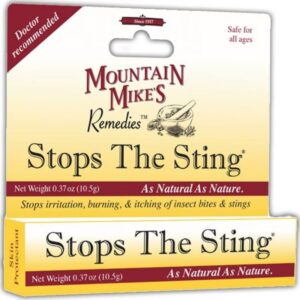
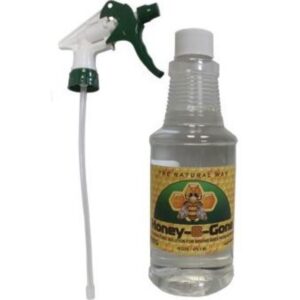
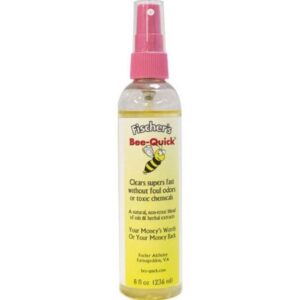
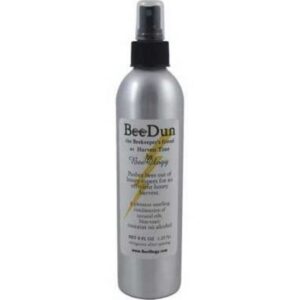
Bee repellent products are a practical part of harvest time and hive work, helping you clear bees from supers or work near the hive with less interference. Options like Bee Quick and Honey-B-Gone are fume-board repellents: you apply them to a fume board and let the scent move bees down out of the super so you can pull it cleanly. Bee Dun offers a similar approach with its own formula. Stops The Sting ointment rounds out this category for after-the-fact relief when things don’t go quite as planned. The right choice depends on your method: fume board users will want a liquid repellent, while the ointment is just good sense to keep in your kit.
Helpful Questions & Answers
Find answers to common questions about Bee Repellent from the Nixa Hardware & Seed Co team.
How To Repel Bees
Focusing on natural deterrents is often the best way to keep your patio clear without harming our local pollinators. Bees have an incredibly sensitive sense of smell, and they aren’t fans of pungent scents like peppermint oil, crushed garlic, or cinnamon. You can create a DIY bee repellant by mixing peppermint oil with water and spraying it around your porch railings and window sills. It’s also vital to keep “bee magnets” like open soda cans, fallen fruit, and overflowing trash bins tucked away. In Missouri, carpenter bees are a common nuisance; plugging their old holes with wood putty is a simple, effective way to tell them the “hotel” is closed for the season.
Does Insect Repellent Work On Bees
Most common sprays containing DEET or Picaridin are designed to mask the “scent” of humans from blood-seeking pests like mosquitoes and ticks. Since bees aren’t interested in your blood—they’re just looking for nectar or sugar—these standard repellents are almost entirely ineffective against them. In fact, some bug sprays contain floral-scented carriers that might accidentally make you more interesting to a curious bee. If you’re looking to avoid a sting, the best “repellent” isn’t a spray at all; it’s staying calm. Avoid swatting, which triggers a bee’s defensive instincts, and slowly move away from the area to signal that you aren’t a threat to their hive.