
Paint Brush
The right paint brush makes a noticeable difference in how a finish looks and how long it takes to get there. You’ll find chip brushes for stains and adhesives, foam brushes for smooth surfaces and detail work, and quality bristle brushes for trim, cabinets, and finish coats. Natural bristle brushes work best with oil-based paints and varnishes. Synthetic bristles are the right call for latex. A good brush, cleaned and stored properly, will outlast a dozen cheap ones.
Showing the single result
-
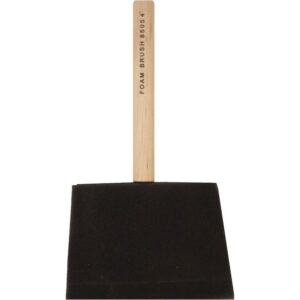
Linzer Chiseled Foam Paint Brush 4”
$1.42 + Add to CartSKU: 1767763
-
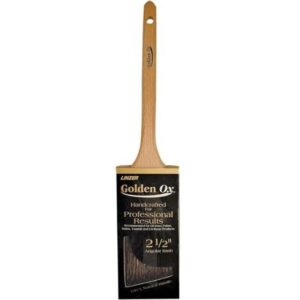
Linzer Golden Ox Angular Paint Brush 2.5”
$9.84 + Add to CartSKU: 149141
-
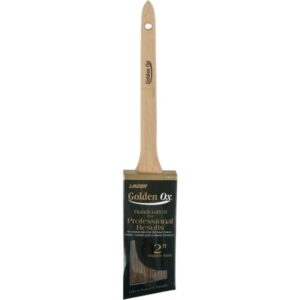
Linzer Golden Ox China Bristle Angle Paint Brush 2”
$6.74 + Add to CartSKU: 2752608
-
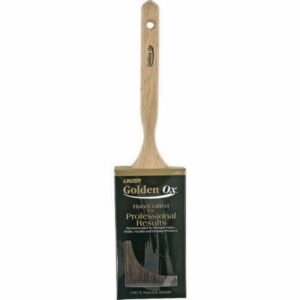
Linzer Golden Ox Paint Brush China Bristle 2”
$7.42 + Add to CartSKU: 1081322
-
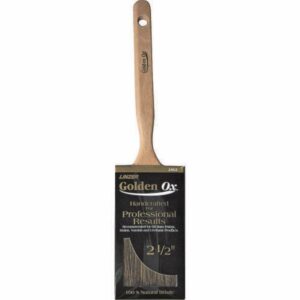
Linzer Golden Ox Paint Brush Very Fine China Bristle 2.5”
$9.84 + Add to CartSKU: 8127946
-
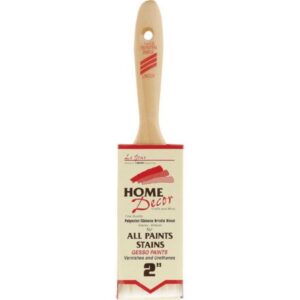
Linzer Home Decor Flat Paint Brush 2”
$1.84 + Add to CartSKU: 1060086
-
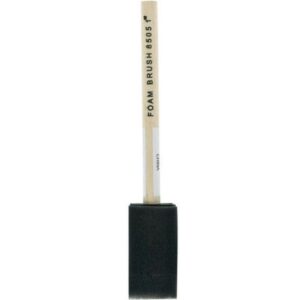
Linzer Chiseled Foam Paint Brush 1”
$0.86 + Add to CartSKU: 1767789
-
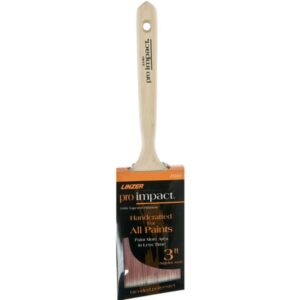
Linzer Pro Impact Angular Paint Brush 3”
$6.84 + Add to CartSKU: 148905
-
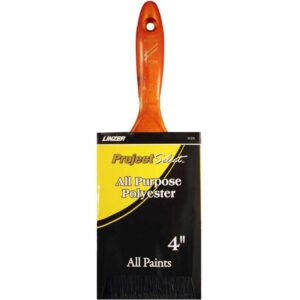
Linzer Project Select All-Purpose Paint Brush 4”
$3.84 + Add to CartSKU: 17334
-
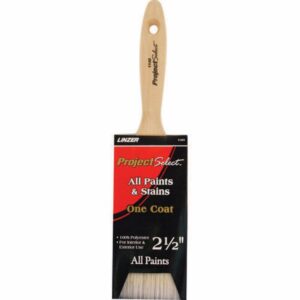
Linzer Project Select Paint Brush Varnish Handle 2.5”
$1.84 + Add to CartSKU: 0248740
-
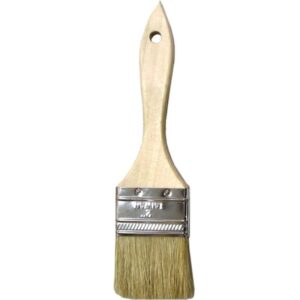
ProSource Chip Flat Paint Brush 2”
$0.84 + Add to CartSKU: 12993
-
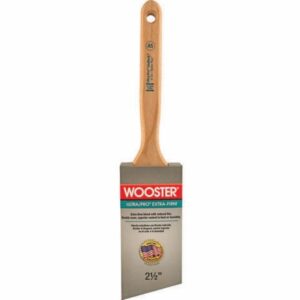
Wooster Ultra Pro Extra Firm Angle Paint Brush 1.5”
$11.84 + Add to CartSKU: 1394741
-
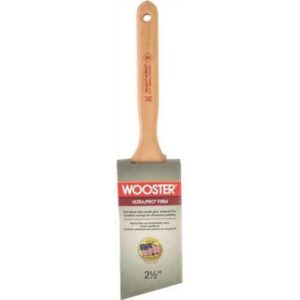
Wooster Ultra Pro Firm Angle Paint Brush 2.5”
$13.84 + Add to CartSKU: 1069913
-
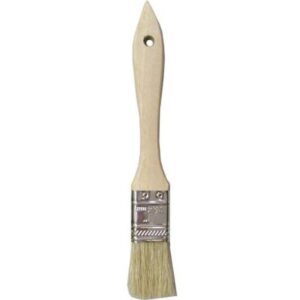
Linzer Chip Flat Paint Brush 1”
$0.42 + Add to CartSKU: 12991
-
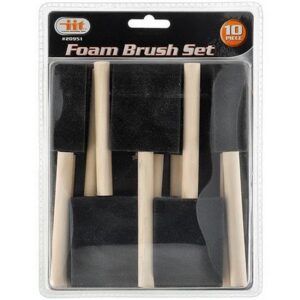
Foam Brush Set 10 ct
$3.64 Awaiting RestockSKU: 208670
-
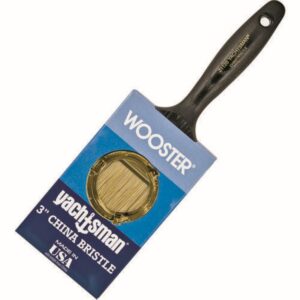
Wooster China Bristle Varnish Paint Brush 3”
$6.42 Awaiting RestockSKU: 1069715
-
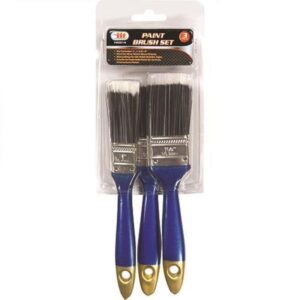
IIT Paint Brush Set 3 ct
$3.54 Awaiting RestockSKU: 209597
-
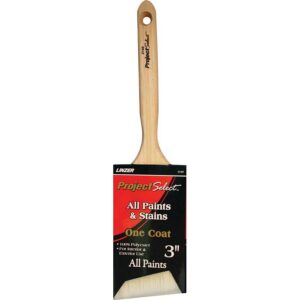
Linzer Project Select Polyester Bristle Angled Sash Paint Brush 3”
$3.84 Awaiting RestockSKU: 2403475
-
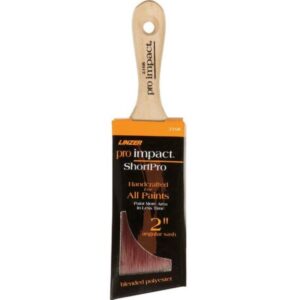
Linzer Pro Impact Angled Polyester Bristle Paint Brush 2”
$4.86 Awaiting RestockSKU: 8317547
-
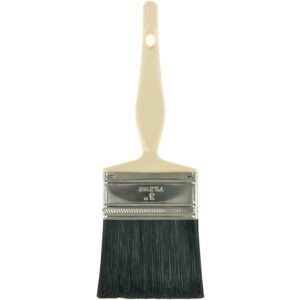
Linzer Latex Paint Brush 3”
$3.54 Awaiting RestockSKU: 149140
-
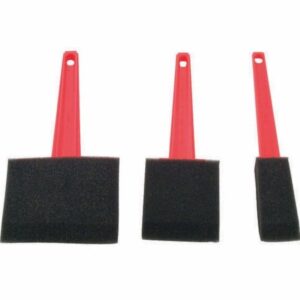
Linzer Foam Paint Brush Set 1-3” 3 ct
$1.84 Awaiting RestockSKU: 6190854
-
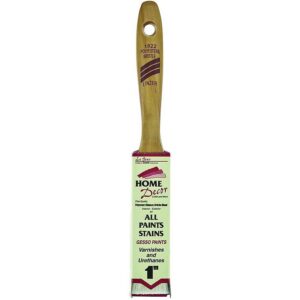
Linzer Home Decor Thin Flat Paint Brush 1”
$2.86 Awaiting RestockSKU: 1060060
-
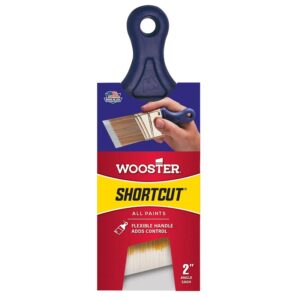
Wooster Shortcut Paint Brush 2″
$5.84 Awaiting RestockSKU: 1188192
-
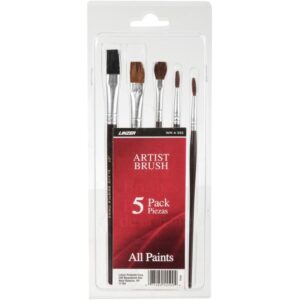
Linzer Artist Assorted Paint Brush Set 5 ct
$4.86 Awaiting RestockSKU: 11079
Helpful Questions & Answers
Find answers to common questions about Paint Brush from the Nixa Hardware & Seed Co team.
How To Clean A Paint Brush
For water-based paints, the key is to start the cleaning process before the paint has a chance to reach the “heel” of the Paint Brush. We suggest rinsing the bristles under a stream of lukewarm water while using a specialized brush comb to pull out any clumps hidden near the metal ferrule. If the paint is being stubborn, a small amount of mild dish soap or a dedicated brush cleaner will help break down the synthetic resins. Once the water runs completely clear, give the brush a firm shake or use a spinner to remove excess moisture. Reshaping the bristles by hand and storing the brush in its original cardboard cover helps it retain its factory edge for your next project.
How To Paint A Door Without Brush Marks
Achieving a “factory-smooth” finish on a door requires a combination of proper surface prep and the right technique. Start by laying the door flat on sawhorses if possible; this prevents gravity from causing sags or drips. After a light sanding with fine-grit paper, use a high-quality synthetic Paint Brush to apply the paint in long, steady strokes, following the direction of the wood grain. The secret is the “lay-off” stroke: once a section is covered, go back over it very lightly with the tip of a nearly dry brush to level out any ridges. This technique allows the paint to flow together into a glass-like surface that looks professional and clean.