
Stains & Sealers
Wood left unprotected outdoors will start showing weather damage within a season or two. A good stain or sealer slows that down considerably, whether the job is a deck that needs color and protection or a fence that just needs to shed water. Nixa Hardware & Seed Co stocks stains and sealers for interior and exterior use, covering decks, siding, furniture, and trim. Water-based and oil-based formulas are available, and if the surface has already started graying out, there are prep products to get it back to a workable condition before you apply anything.
Showing the single result
-
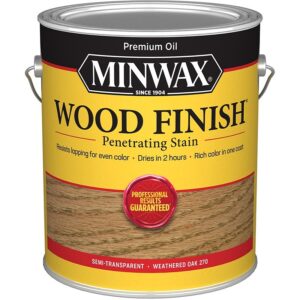
Minwax Interior Wood Penetrating Stain Oak 1 gal
$42.84 + Add to CartSKU: 4532545
-
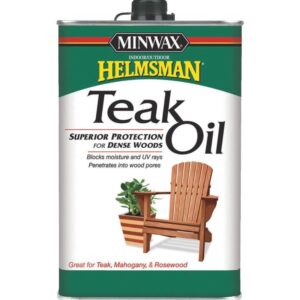
Minwax Helmsman Teak Oil Amber 1 qt
$14.84 + Add to CartSKU: 1409119
-
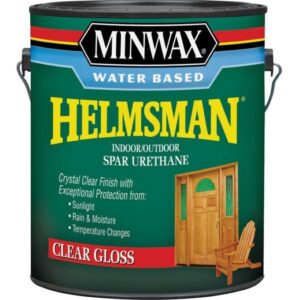
Minwax Helmsman Water Based Spar Urethane Clear Gloss 1 gal
$74.84 + Add to CartSKU: 4532503
-
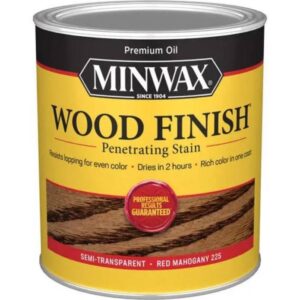
Minwax Interior Wood Penetrating Stain Red Mahogany 1 qt
$13.84 + Add to CartSKU: 12379
-
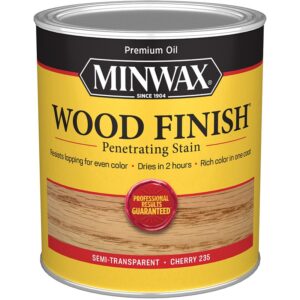
Minwax Interior Wood Penetrating Stain Cherry 1 qt
$13.84 + Add to CartSKU: 12385
-
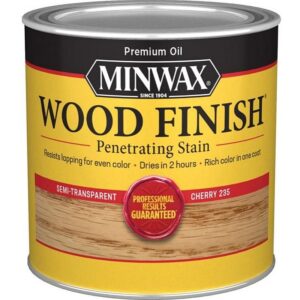
Minwax Interior Wood Penetrating Stain Cherry 8 oz
$7.84 + Add to CartSKU: 12383
-
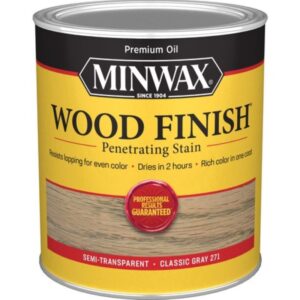
Minwax Interior Wood Penetrating Stain Classic Gray 1 qt
$13.84 + Add to CartSKU: 1515048
-
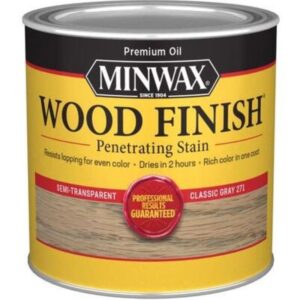
Minwax Interior Wood Penetrating Stain Classic Gray 8 oz
$7.84 + Add to CartSKU: 1515022
-
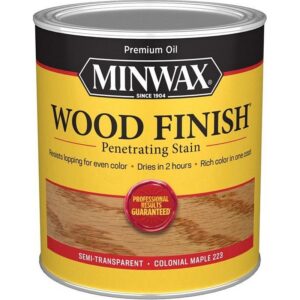
Minwax Interior Wood Penetrating Stain Colonial Maple 1 qt
$13.84 + Add to CartSKU: 12373
-
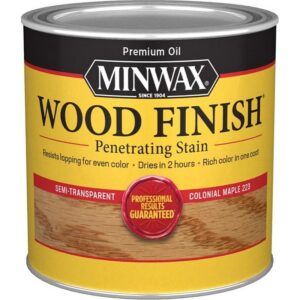
Minwax Interior Wood Penetrating Stain Colonial Maple 8 oz
$7.84 + Add to CartSKU: 12371
-
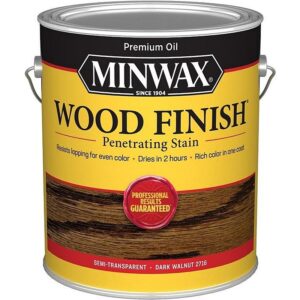
Minwax Interior Wood Penetrating Stain Dark Walnut 1 gal
$42.84 + Add to CartSKU: 13050
-
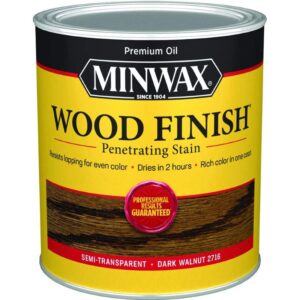
Minwax Interior Wood Penetrating Stain Dark Walnut 1 qt
$13.84 + Add to CartSKU: 12394
-
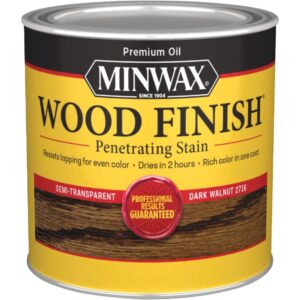
Minwax Interior Wood Penetrating Stain Dark Walnut 8 oz
$7.84 + Add to CartSKU: 12392
-
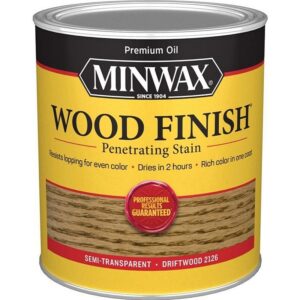
Minwax Interior Wood Penetrating Stain Driftwood 1 qt
$13.84 + Add to CartSKU: 12391
-
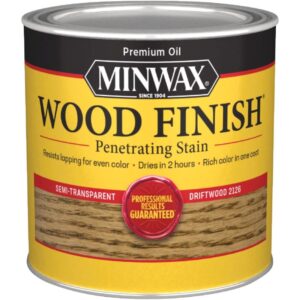
Minwax Interior Wood Penetrating Stain Driftwood 8 oz
$7.84 + Add to CartSKU: 12389
-
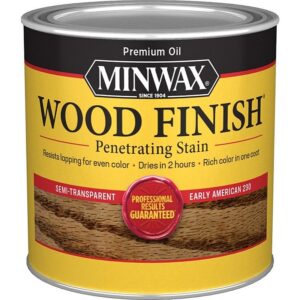
Minwax Interior Wood Penetrating Stain Early American 8 oz
$7.84 + Add to CartSKU: 12380
-
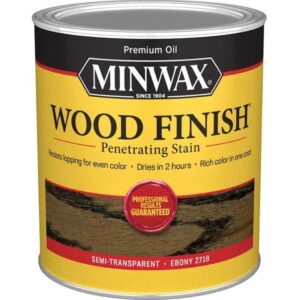
Minwax Interior Wood Penetrating Stain Ebony 1 qt
$13.84 + Add to CartSKU: 12397
-
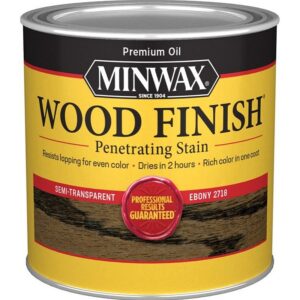
Minwax Interior Wood Penetrating Stain Ebony 8 oz
$7.84 + Add to CartSKU: 12395
-
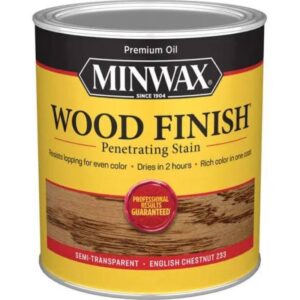
Minwax Interior Wood Penetrating Stain English Chestnut 1 qt
$13.84 + Add to CartSKU: 1107531
-
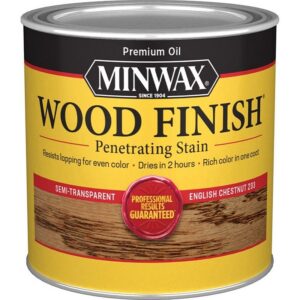
Minwax Interior Wood Penetrating Stain English Chestnut 8 oz
$7.84 + Add to CartSKU: 1107523
-
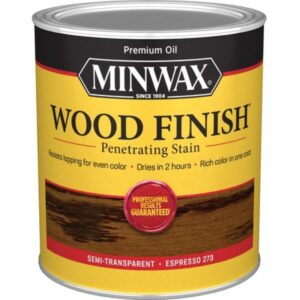
Minwax Interior Wood Penetrating Stain Espresso 1 qt
$13.84 + Add to CartSKU: 1561091
-
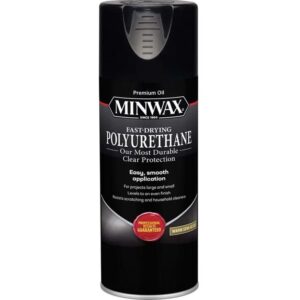
Minwax Fast Drying Polyurethane Spray Clear Semi-Gloss 11.5 oz
$11.84 + Add to CartSKU: 17439
-
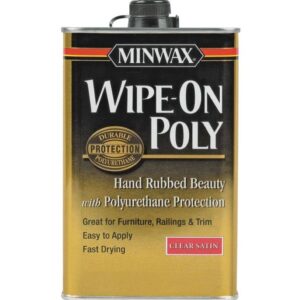
Minwax Fast Drying Wipe On Polyurethane Clear Satin 1 pt
$13.84 + Add to CartSKU: 1367895
-
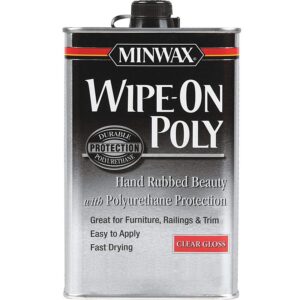
Minwax Fast Drying Wipe-On Polyurethane Clear Gloss 1 pt
$13.84 + Add to CartSKU: 1367861
-
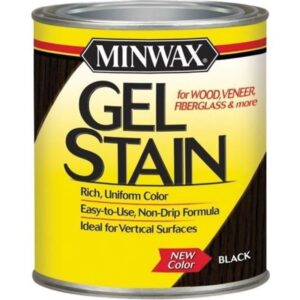
Minwax Gel Stain Low Luster Black 1 qt
$21.84 + Add to CartSKU: 1618370
-
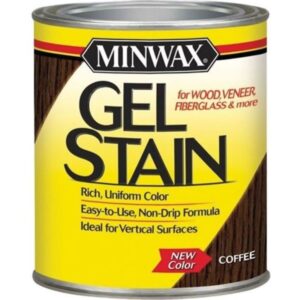
Minwax Gel Stain Low Luster Coffee 1 qt
$21.84 + Add to CartSKU: 1618420
-
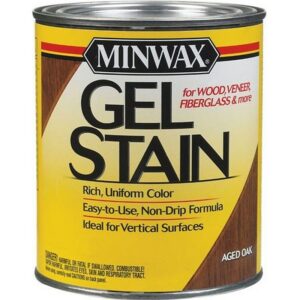
Minwax Gel Stain Wood Finish Aged Oak 1 qt
$21.84 + Add to CartSKU: 1067248
-
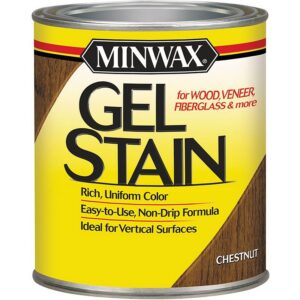
Minwax Gel Stain Wood Finish Chestnut 1 qt
$21.84 + Add to CartSKU: 1067214
-
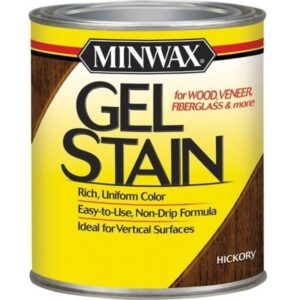
Minwax Gel Stain Wood Finish Hickory 1 qt
$21.84 + Add to CartSKU: 1394188
-
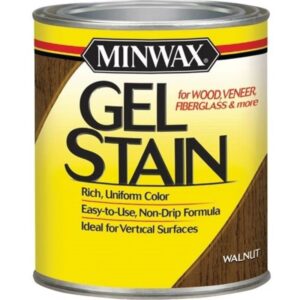
Minwax Gel Stain Wood Finish Walnut 1 qt
$21.84 + Add to CartSKU: 1067362
Helpful Questions & Answers
Find answers to common questions about Stains & Sealers from the Nixa Hardware & Seed Co team.
Can You Mix Stain With Water Sealer
Our experience has shown that trying to create a “two-in-one” concoction usually backfires, especially with the humidity we get in SWMO. You’re much better off buying a product that was engineered to do both jobs from the factory. When you start playing chemist with different Stains or Sealers, you risk the finish peeling off in sheets before the season is even over. We like to stick to the manufacturer’s instructions so we aren’t re-doing the deck every single spring. If you want that deep color and solid protection, just take the extra afternoon to apply your Stains and Sealers separately. It’s a bit more elbow grease, but your porch will thank you for it when the summer sun starts beating down.
How To Clean Wood Before Staining
Our rule is that if the wood isn’t clean enough to eat off of, it isn’t ready for a fresh coat. You’ll want to sand away any old, gray fibers and vacuum up the sawdust so it doesn’t get stuck in your Stains and Sealers and turn into sandpaper. If there’s any grease or wax left on the surface, your finish will just bead up and look splotchy, which isn’t the look most folks are going for. We find that a simple vinegar and water solution works wonders for lifting dirt without leaving a nasty residue behind. Taking the time to prep ensures your Stains and Sealers can actually penetrate the grain and do their job. It’s a boring step, but skipping it is a mistake you’ll see every time you look at the floor.
How To Apply Gel Stain To Finished Wood
We find that the trick is to give the existing finish a light scuffing with some fine-grit sandpaper first so the new layer has something to grab onto. Unlike traditional Stains or Sealers that need to soak deep into the pores, gel products are designed to sit more on the surface, making them perfect for refreshing an old cabinet. You’ll want to apply it in thin, even coats using a lint-free rag, moving in the direction of the grain. If you go too heavy, it’ll look like paint and lose that wood-look charm we all like. We usually let the first layer sit for a few minutes before wiping away the excess. It’s a great way to update a room without the headache of stripping everything down to bare timber.
How To Get Wood Stain Off Hands
Our hands have worn a fair share of color over the years. The best way to lift those stubborn Stains and Sealers is to use a bit of vegetable oil or even some leftover dish soap mixed with a teaspoon of sugar for grit. Rub your hands together vigorously to break down the resins before you even think about turning on the water. If you’re dealing with a particularly tough oil-based product, a splash of mineral spirits on a rag will do the trick, but don’t forget to wash with regular soap afterward so your skin doesn’t get irritated. It’s a small price to pay for a job well done. We recommend wearing gloves next time.