Bee Smokers & Fuel
A good bee smoker is one of the most basic tools in a beekeeper’s kit. Calm bees make inspections safer and less stressful for everyone involved. Bee smokers and fuel at Nixa Hardware & Seed Co include stainless steel smokers in standard and shielded styles, along with several smoker fuel options like cotton, burlap, jute rolls, and pellets. When it comes to fuel, the goal is a cool, dense smoke that stays lit. Burlap and cotton are longtime favorites among experienced beekeepers for that reason.
Showing the single result
-
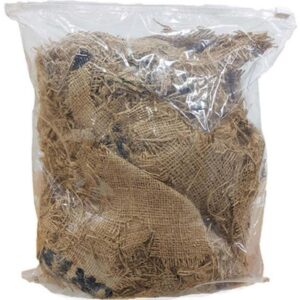
Untreated Burlap Remnants 1 lb
$17.84 + Add to CartSKU: 128070
-
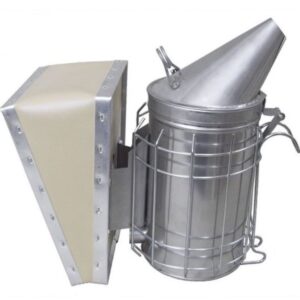
Stainless Steel Smoker with Shield 4×7
$69.86 + Add to CartSKU: 141799
-
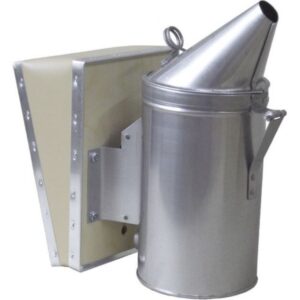
Stainless Steel Smoker 4×7
$58.86 + Add to CartSKU: 130632
-
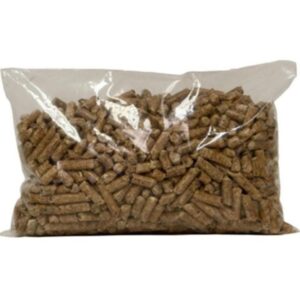
Smoker Fuel Pellets
$2.84 + Add to CartSKU: 7969751
-
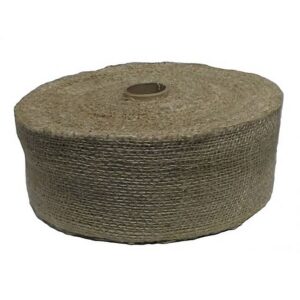
Smoker Fuel Jute Burlap Roll 100 yd
$33.64 + Add to CartSKU: 155230
-
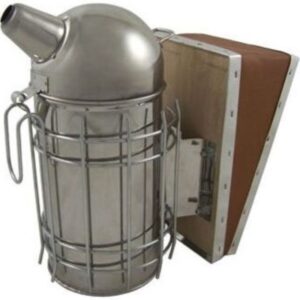
Domed Smoker with Shield 4×7
$38.86 + Add to CartSKU: 155299
-
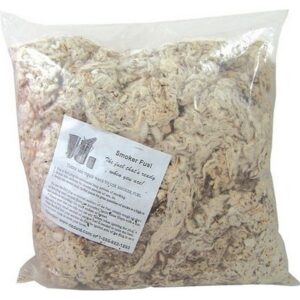
All-Cotton Smoker Fuel 1 lb
$7.84 + Add to CartSKU: 2525.053
-
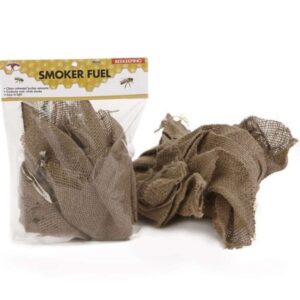
Little Giant Bee Smoker Fuel
$5.54 Awaiting RestockSKU: 7460074
Helpful Questions & Answers
Find answers to common questions about Bee Smokers & Fuel from the Nixa Hardware & Seed Co team.
How To Use A Bee Smoker
A Bee Smoker works by masking the alarm pheromones that bees release when they feel threatened. To start, light a small amount of fuel at the bottom of the canister and pump the bellows gently until you see a steady flame. Once it’s burning well, pack the rest of your fuel on top and close the lid. When approaching the hive, give a few puffs at the entrance and then under the inner cover. The goal is to produce a cool, white smoke that keeps the colony calm, rather than a hot blast that might singe their wings.
What Is The Best Fuel For A Bee Smoker
Our staff typically recommends cotton linters or untreated burlap for consistent fuel that won’t go out halfway through an inspection. These materials burn slowly and provide a clean smoke that doesn’t irritate the bees. Some people prefer compressed wood pellets because they are easy to store and deliver a very long burn time for those with multiple hives to check. Avoid using anything with synthetic fibers, as the melting plastic can produce toxic fumes. A good fuel should stay lit on its own and produce enough volume to cover the hive frames quickly.
How To Keep Bee Smoker Going
Keeping a Bee Smoker going is all about managing airflow. If you pack the fuel too tightly, you’ll choke out the fire; if it’s too loose, it will burn through in minutes. The trick is to start with a small, hot fire at the bottom and gradually add more material while puffing the bellows. This builds up a solid bed of embers that acts as the engine for the smoke. If you notice the smoke getting thin, give the bellows a few quick pumps to pull fresh oxygen into the firebox and get the temperature back up.