Honey Harvesting
Harvest time is when all that season’s work pays off, and having the right equipment on hand keeps it from turning into a sticky, frustrating mess. A solid honey harvest setup starts with uncapping tools, runs through an extractor sized to your frame count, and finishes with strainers, settling tanks, and bottling supplies to get clean honey into jars. At Nixa Hardware & Seed Co we carry harvesting equipment for operations of every size, from the hobbyist pulling a few supers to the beekeeper running serious volume.
Showing the single result
-
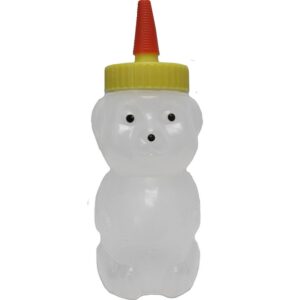
Opaque Squeeze Honey Bear w/Tip 12 oz
$0.76 + Add to CartSKU: 152285
-
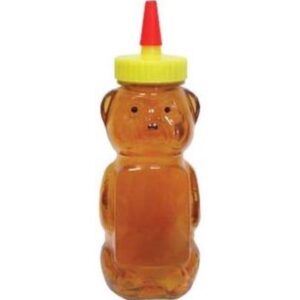
Clear Panel Squeeze Bear with Spout Cap Lid & Collar 12 oz
$0.74 + Add to CartSKU: 152064
-
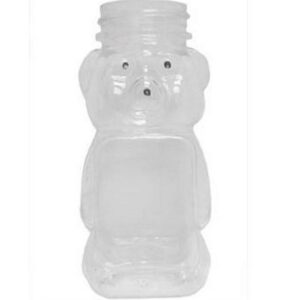
Clear Honey Squeeze Bear 8 oz
$0.76 + Add to CartSKU: 152065
-
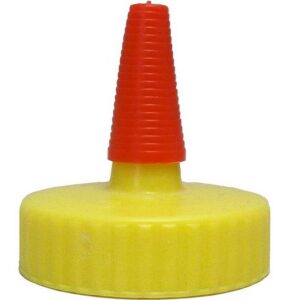
Honey Bear Spout Cap Lid with Tip 38 mm
$0.32 + Add to CartSKU: 213296
-
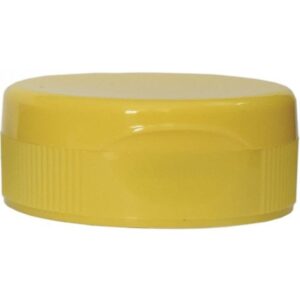
Yellow Snap Cap with Seal
$0.32 + Add to CartSKU: 209750
-
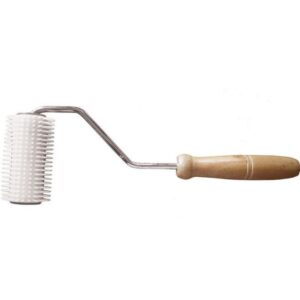
Uncapping Needle Roller
$24.86 + Add to CartSKU: 128631
-
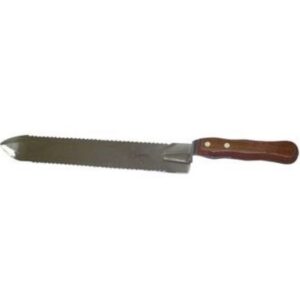
Uncapping Knife Serrated 10″
$43.42 + Add to CartSKU: 128633
-
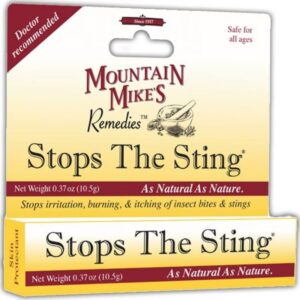
Stops The Sting Relief Ointment 0.37 oz
$9.84 + Add to CartSKU: 149351
-
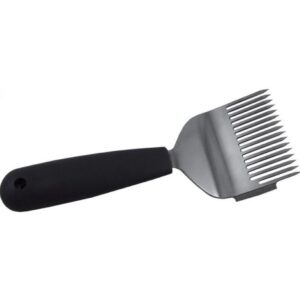
Stainless Steel Capping Scratcher
$29.86 + Add to CartSKU: 164050
-
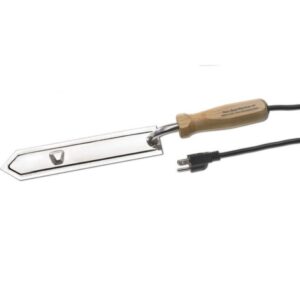
Speed King Electric Knife 120 Volt 10″
$189.86 + Add to CartSKU: 113895
-
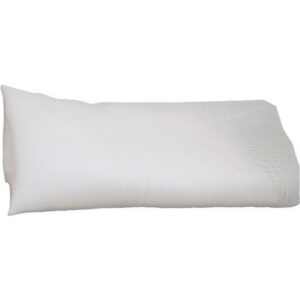
Polyester Strainer Cloth
$13.84 + Add to CartSKU: 135368
-
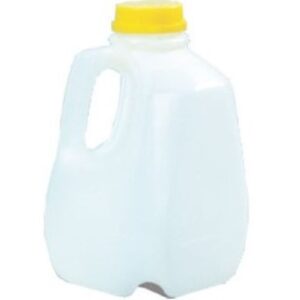
Plastic Jug with Lid 3 lb
$0.86 + Add to CartSKU: 147726
-
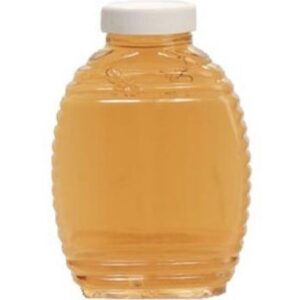
Plastic Honey Bee Bottle with Lid 1 lb
$1.54 + Add to CartSKU: 155783
-
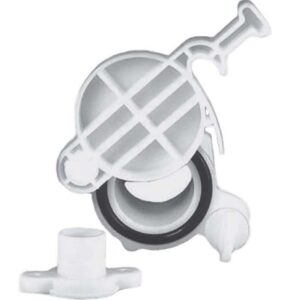
Plastic Honey Gate 1.5″
$15.86 + Add to CartSKU: 139995
-
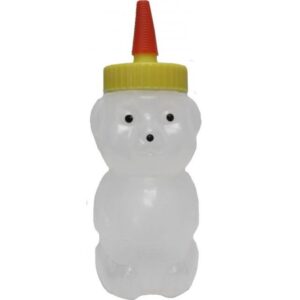
Opaque Squeeze Bear with Spout Cap Lid & Collar 8 oz
$0.74 + Add to CartSKU: 208922
-
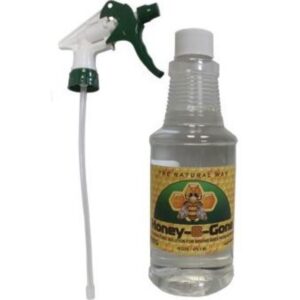
Honey-B-Gone 16 oz
$43.84 + Add to CartSKU: 142430
-
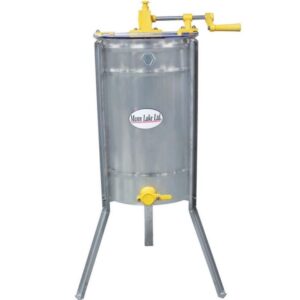
Honey Extractor Deluxe 6/3
$778.42 + Add to CartSKU: 167563
-
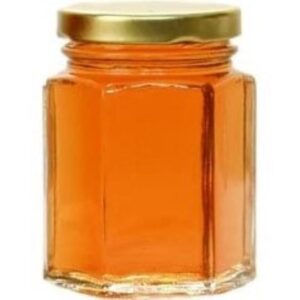
Hex Glass Honey Jar with Lid
$1.42 + Add to CartSKU: 152274
-
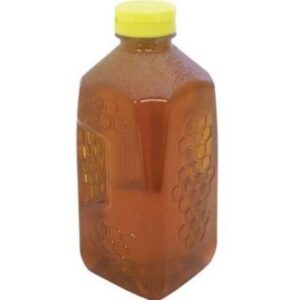
Hexagon Pattern Plastic Bottle with Snap Cap Lid 3 lb
$1.54 + Add to CartSKU: 137612
-
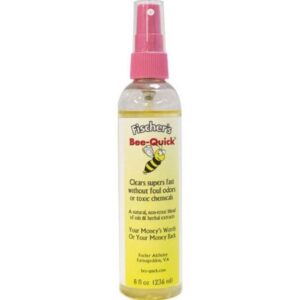
Fisher’s Bee Quick 8 oz
$25.64 + Add to CartSKU: 105732
-
E-Z 400 Micron Plastic Strainer
$10.86 + Add to CartSKU: 145684
-
E-Z 600 Micron Plastic Strainer
$10.86 + Add to CartSKU: 139996
-
E-Z 200 Micron Plastic Strainer
$11.42 + Add to CartSKU: 139608
-
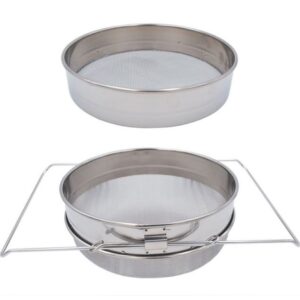
Double Sieve Stainless Strainer Filter
$34.86 + Add to CartSKU: 148025
-
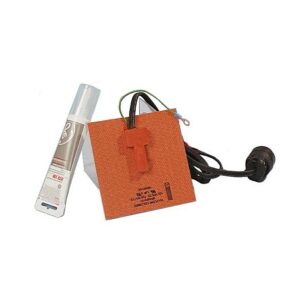
Extractor Tank External Heater for 7 1/2 gal
$174.86 + Add to CartSKU: 161933
-
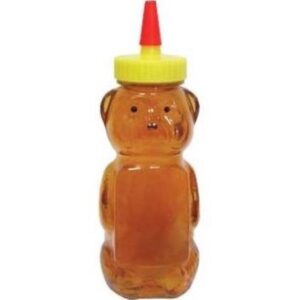
Clear Panel Squeeze Bear with Spout Cap Lid 1.5 lb
$1.32 + Add to CartSKU: 163287
-
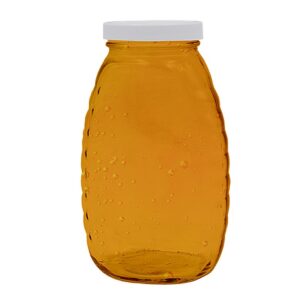
Classic Glass Honey Jar with Lid 8 oz
$1.42 + Add to CartSKU: 155784
-
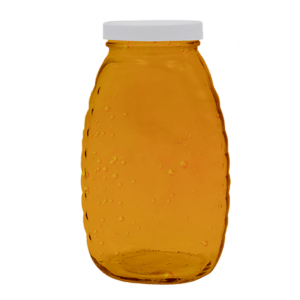
Classic Glass Honey Jar 2 lb
$2.45 + Add to CartSKU: 209751
-
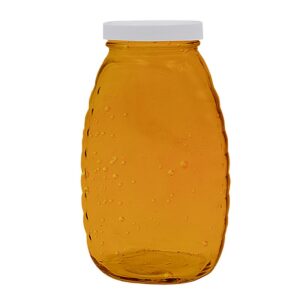
Classic Glass Honey Jar with Lid 1 lb
$2.74 + Add to CartSKU: 152271
-
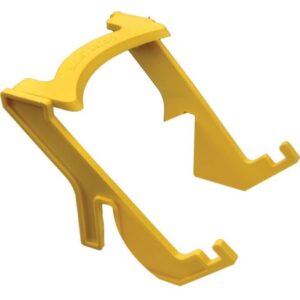
Bee Bucket Bench
$32.20 + Add to CartSKU: 149619

Helpful Questions & Answers
Find answers to common questions about Honey Harvesting from the Nixa Hardware & Seed Co team.
Can You Eat The Honeycomb In A Jar Of Honey
You absolutely can, and many consider it the “prize” of the jar. Honeycomb is safe to eat and often contains trace amounts of pollen and propolis, which adds a bit of a nutritional boost to the sweetness. The texture is similar to a piece of gum once the honey is squeezed out; you can either swallow the wax or spit it out once the flavor is gone. Including the comb is a hallmark of high-quality, local production because it proves the honey hasn’t been over-processed. If you’re looking for the full experience of the hive, eating the comb is about as authentic as it gets.
When Do You Harvest Honey
The best window for honey harvesting usually hits in late summer, specifically August or early September. You want to wait until the bees have filled the frames and capped at least eighty percent of the cells with a white wax seal. This capping tells you the moisture content is low enough that the honey won’t ferment or spoil in the jar. It’s a balancing act; you want to take your share while the weather is still warm, but you must leave enough—usually about sixty pounds—to ensure the colony survives the winter.