
Chicken Coops
A good chicken coop keeps your flock safe, dry, and comfortable through every season, and the right size makes daily chores a lot less work. Plan for at least 3 to 4 square feet of interior space per bird, adequate nesting boxes, roosting bars, and ventilation that moves air without creating drafts. Predator proofing is non-negotiable in this part of Missouri and Arkansas, as raccoons, opossums, and foxes are patient and persistent. At Nixa Hardware & Seed Co. we carry poultry coops in a range of sizes to fit backyard flocks and small farm operations alike.
Showing the single result
-
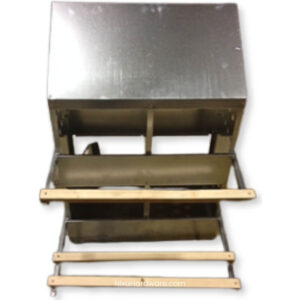
Galvanized Steel 4-Hole Poultry Nesting Box
$169.84 Find in Store >SKU: 220060
-
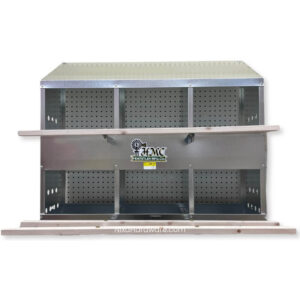
Galvanized Steel 6-Hole Poultry Nesting Box
$186.74 + Add to CartSKU: 219993
-

PDZ Chicken Coop Refresher 10 lb
$18.74 + Add to CartSKU: 209916
-
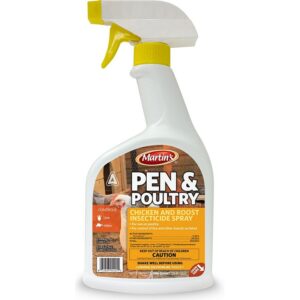
Martin’s Pen & Poultry Spray 32 oz
$11.84 + Add to CartSKU: 209608
-
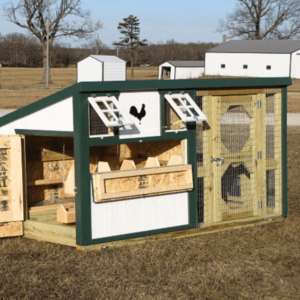
Metropolitan Chicken Coop 4 x 8 ft
$1,474.00 Awaiting RestockSKU: 133957

Helpful Questions & Answers
Find answers to common questions about Chicken Coops from the Nixa Hardware & Seed Co team.
Where To Buy A Chicken Coop Near Me
Nixa Hardware & Seed Co. stocks a range of options for poultry owners in the Ozarks. It’s a good idea to see a structure in person to check the latch quality and wood thickness rather than trusting a filtered photo online. Choosing a locally available model avoids the massive shipping fees that come with oversized crates. Plus, buying from a local store means there is a point of contact if a panel is warped or a nesting box lid doesn’t sit quite right. It’s a much more reliable way to ensure the flock has a safe home from day one.
How Often Should A Chicken Coop Be Cleaned
For a healthy flock, you should plan on a quick daily check of the nesting boxes and a light scraping of the roosting bars once a week. However, a total deep clean of the chicken coop where you strip out all the bedding and scrub the floors, usually happens twice a year, typically in the spring and fall. If you start smelling ammonia, that’s a clear signal from your birds that you’ve waited too long. Keeping it dry is the biggest hurdle, especially during those humid Missouri summers when damp bedding can lead to respiratory issues.
How Big Of A Chicken Coop Do I Need
The standard rule of thumb for chicken coops is roughly 3 to 4 square feet of indoor space per bird, plus at least 10 square feet per bird in the outdoor run. If you keep your chickens cooped up all day without a run, you’ll need to double that indoor space to keep them from getting “pecky” with each other. Overcrowding is the fastest way to trigger stress and feather picking. It’s always better to overbuild; having extra room makes it easier to add a few more birds later without having to buy a whole new setup. “Chicken Math” is real!