
Feeders & Waterers
Keeping feed and water in front of your flock consistently is one of the simplest things you can do for bird health and egg production and the right chicken feeder and chicken waterer makes that job a lot easier. Hanging feeders in plastic and galvanized steel come in capacities from a few pounds up to 40 lbs, cutting down on how often you’re refilling. Fountain waterers handle larger flocks, nipple waterers keep water clean and reduce waste, and feeder bases work well for younger birds just getting started. At Nixa Hardware & Seed Co we stock feeders and waterers for backyard flocks and small farm operations alike.
Showing the single result
-
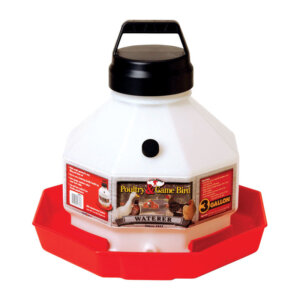
Little Giant Plastic Poultry Waterer 3 gal
$43.84 + Add to CartSKU: 0058065
-
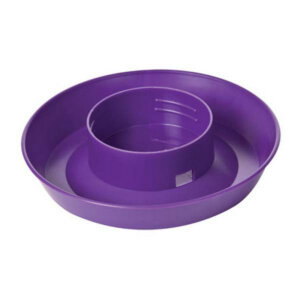
Little Giant Purple Plastic Screw-On Feeder Base 1 qt
$1.74 + Add to CartSKU: 7504756
-
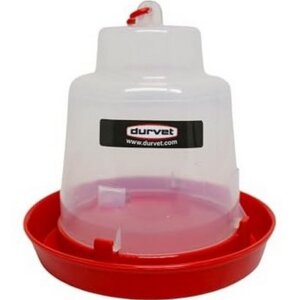
Durvet Poultry Drinker 1 L
$7.84 + Add to CartSKU: 221384
-
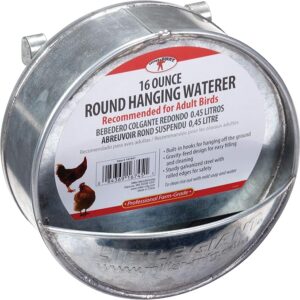
Little Giant Galvanized Round Hanging Poultry Waterer 16 oz
$11.84 + Add to CartSKU: 134572
-
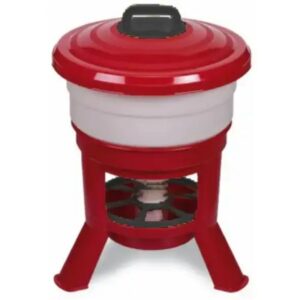
Little Giant Deluxe Dome Feeder 50 lb
$98.74 + Add to CartSKU: 221375
-
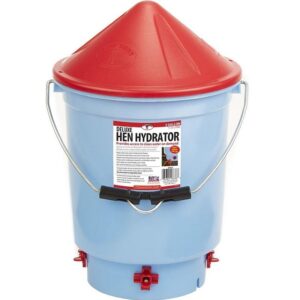
Little Giant Deluxe Hen Hydrator 3 gal
$36.84 + Add to CartSKU: 2131761
-
Kuhl Quail Fount Base Only 1 gal
$7.84 + Add to CartSKU: 220917
-
Kuhl Quail Fount Jar Only 1 gal
$4.84 + Add to CartSKU: 220918
-
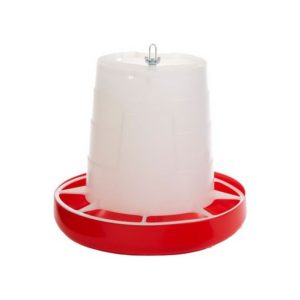
Little Giant Deluxe Hanging Plastic Chicken Feeder 22 lb
$32.84 + Add to CartSKU: 214279
-
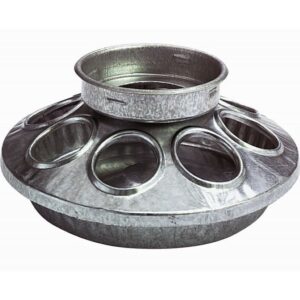
Mason Jar Feeder Base 8 Hole
$5.74 + Add to CartSKU: 6418834
-
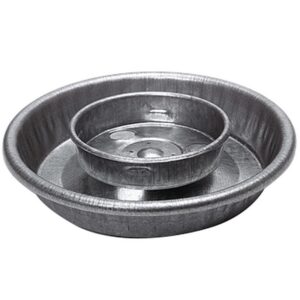
Mason Jar Metal Waterer Base 1 qt
$2.84 + Add to CartSKU: 75819
-
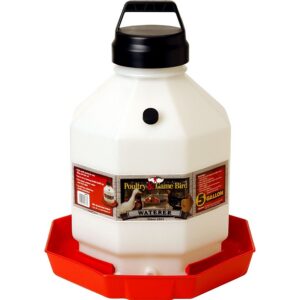
Little Giant Plastic Poultry Fountain 5 gal
$54.84 + Add to CartSKU: 0058073
-
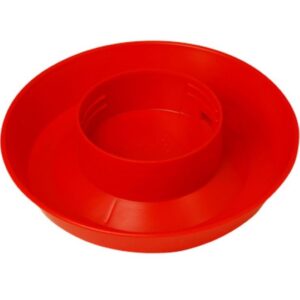
Screw-On Poultry Waterer Base Red 1 qt
$1.74 + Add to CartSKU: 160386
-
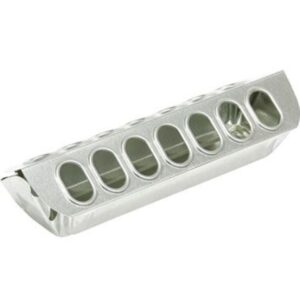
Slide Top Chicken Feeder Galvanized Steel 12″
$4.74 + Add to CartSKU: 7019003
-
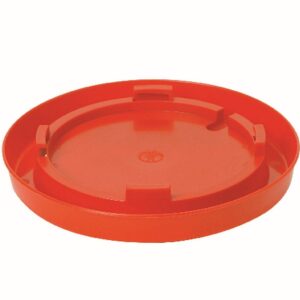
Plastic Water Base for Poultry 128 oz
$3.42 + Add to CartSKU: 71804
-
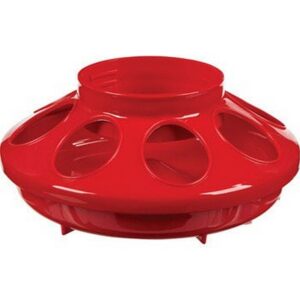
Poultry Feeder Base Red 1 qt
$3.84 + Add to CartSKU: 7404916
-
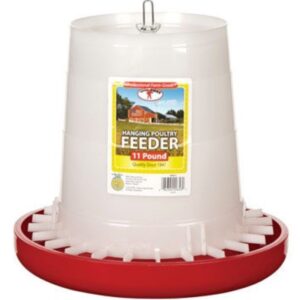
Plastic Hanging Poultry Feeder 11 lb
$25.84 + Add to CartSKU: 7404973
-
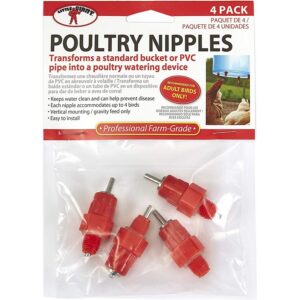
Plastic Poultry Nipple 4Ct
$8.74 + Add to CartSKU: 7404981
-
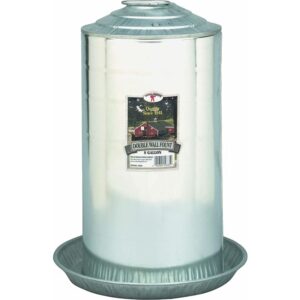
Little Giant Double Wall Poultry Fountain Waterer 8 gal
$76.84 + Add to CartSKU: 111720
-
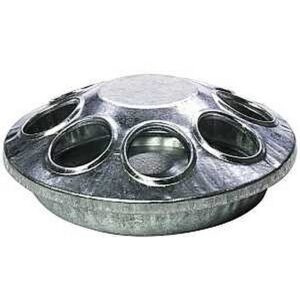
Galvanized Steel Poultry Feeder 8 Hole
$4.84 + Add to CartSKU: 6418958
-
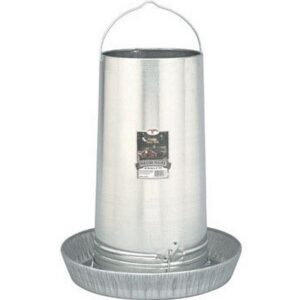
Galvanized Steel Hanging Chicken Feeder 40 lb
$43.84 + Add to CartSKU: 7404957
-
Galvanized Steel Hanging Chicken Feeder 30 lb
$29.84 + Add to CartSKU: 7168032
-
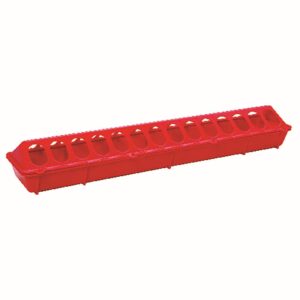
Feeder for Poultry 32 oz
$5.86 + Add to CartSKU: 7018724
-
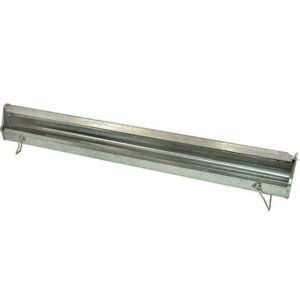
Deluxe Reel Galvanized Steel Chicken Feeder 3.8 lb
$18.32 + Add to CartSKU: 4342168
-
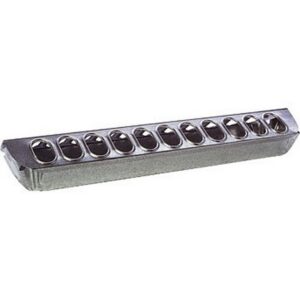
Chicken Feeder Slide Top Galvanized Steel 18″
$5.32 + Add to CartSKU: 75818
-
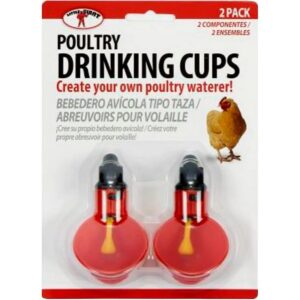
Little Giant Plastic Poultry Drinking Cups 2 ct
$6.84 + Add to CartSKU: 9084121
-
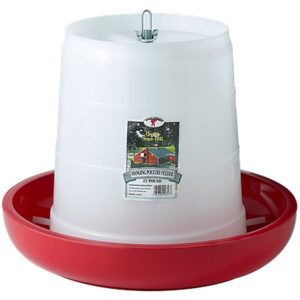
Little Giant Plastic Hanging Poultry Feeder 22 lb
$34.76 + Add to CartSKU: 3125.683
-
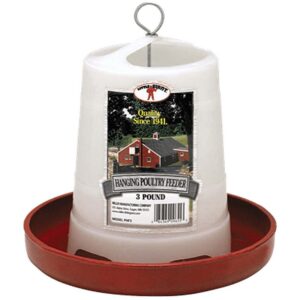
Little Giant Plastic Hanging Poultry Feeder 3 lb
$11.74 + Add to CartSKU: 3115.428
-
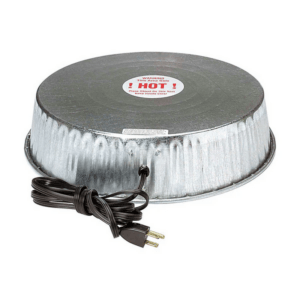
Little Giant Electric Heater Base
$54.84 + Add to CartSKU: 786.256
-
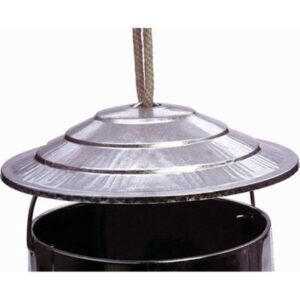
Metal Hanging Poultry Feeder Cover
$5.42 + Add to CartSKU: 2233.842


Shop this department in store
Our team at Nixa Hardware can help you find the right parts and supplies for your project. Give us a call or stop by and we’ll point you in the right direction.
Open Mon-Sat 8am-6pm, 510 W Mt Vernon, Nixa, MO
Helpful Questions & Answers
Find answers to common questions about Feeders & Waterers from the Nixa Hardware & Seed Co team.
How Much Feeder Space Per Chicken
To keep the peace during breakfast, you should aim for about three inches of linear feeder space per bird. If you use a circular hanging feeder, one standard 30-pound unit is usually enough for a flock of 10 to 12 hens. The goal is to make sure your “low-ranking” birds can get a turn at the trough without being bullied away by the bossier hens. If you notice some birds looking thinner or being chased away constantly, adding a second feeding station on the other side of the run is the easiest way to ensure everyone stays well-fed and happy.
Should I Hang My Chicken Feeder
Suspending your equipment is a smart move for both hygiene and pest control. When a feeder sits on the ground, it becomes a target for moisture and ground-dwelling bugs. Lifting it up off the floor keeps the pellets dry and prevents the bottom of the container from rotting or rusting out over time. Just make sure the hardware you use is sturdy enough to handle a bird trying to perch on it. Most poultry owners find that a simple chain and carabiner setup works perfectly, allowing for easy height adjustments as the birds grow from pullets to adults.
How To Keep Chicken Water From Freezing
If you want to stop hauling lukewarm water to the coop every two hours, investing in a de-icer is a lifesaver. There are many “nipple-style” waterers that come with built-in heaters which are very efficient because they only heat a small amount of water at a time. For those off the grid, placing the waterer inside a larger insulated box filled with straw can buy you a few extra hours of liquid time. Regardless of the method, always check the water first thing in the morning; a thirsty chicken won’t eat, and a chicken that won’t eat can’t stay warm.
Do Chickens Need Food And Water In Their Coop At Night
It is usually better to keep the food and water in the outdoor run rather than the coop. Since chickens sleep through the night, they aren’t losing any nutrients by waiting until morning to eat. Keeping the interior of the coop dry is vital for the health of the flock, and waterers are notorious for leaking or being tipped over. If you are worried about them being hungry first thing in the morning, just make sure you open the coop door at dawn. They’ll head straight for the feeder as soon as they see the light.