
Barbed Wire
Barbed wire is a longtime standard for perimeter fencing on farms and ranches, and picking the right roll comes down to gauge and coating. Heavier gauge wire, like 12.5 ga, holds tension better and resists stretching over long fence runs, making it the more common choice for cattle and perimeter lines. The 15.5 ga options work for lighter-duty applications where you’re watching material costs. Nixa Hardware & Seed Co carries galvanized options from trusted names like Gaucho, Oklahoma Premium, and Rangemaster, and a barbed wire carrier/unroller makes stringing a new fence considerably safer and easier on your hands.
Showing the single result
-
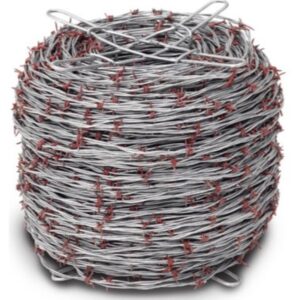
Red Brand Galvanized Steel Barbed Wire Roll 12.5 ga 1320’
$114.86 + Add to CartSKU: 2021.052
-
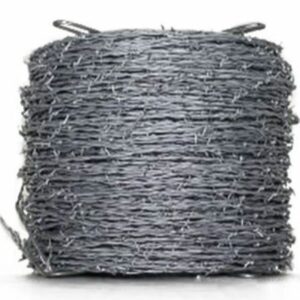
Oklahoma Premium Barbed Wire 12.5 ga 1320’
$114.86 + Add to CartSKU: 148271
-
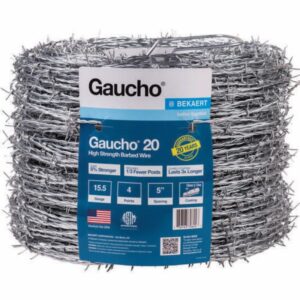
Gaucho Barbed Wire 15.5 ga 1320’
$74.86 + Add to CartSKU: 7016.025
-
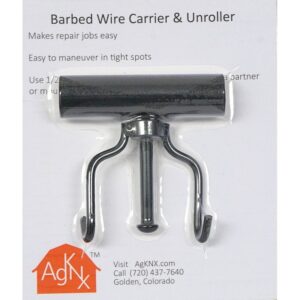
AgKnx Barbed Wire Carrier/Unroller
$5.74 + Add to CartSKU: 146647
-
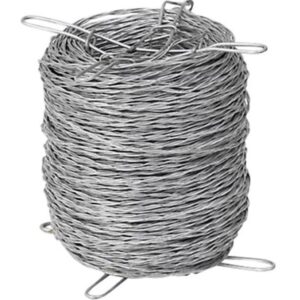
Barbless Wire 12.5 ga 1320’
$108.74 + Add to CartSKU: 7001.142
Helpful Questions & Answers
Find answers to common questions about Barbed Wire from the Nixa Hardware & Seed Co team.
What Is Barbed Wire
Think of this as the original “invisible wall” for livestock. It consists of two wires wrapped around each other to provide strength, with pointed wire spikes—the barbs—spaced out to discourage anything from trying to push through. It is designed to provide a psychological barrier as much as a physical one, as an animal only needs to poke its nose against it once to learn a lesson about boundaries. While it’s not the prettiest thing to look at, it’s a rugged and reliable way to define a property line without spending a fortune on high-tensile or board fencing.
What Is Barbed Wire Used For
The primary job of this wire is to keep cattle and other large livestock from wandering off into the neighbor’s cornfield or onto the highway. Because it’s relatively lightweight and easy to haul, it is the perfect solution for fencing in large acreages where more expensive materials just aren’t practical. It creates a clear boundary that most animals respect, allowing you to manage your pastures and keep your herd where they belong. It’s also used in security settings to deter trespassing, as those sharp points are a major deterrent for anyone thinking about climbing over a gate or wall.
How To Cut Barbed Wire
Getting a clean cut requires a pair of heavy-duty fencing pliers or a solid set of bolt cutters that can handle high-tensile steel. You want to make sure you have a firm grip on the wire before you squeeze, as the tension in a stretched line can cause it to whip back toward you once it’s severed. Always wear a thick pair of leather gloves and some eye protection to stay safe from those barbs and any flying splinters. It’s a quick task, but it’s one where being a little bit careful saves you from a nasty scratch or a torn sleeve.
How To Stretch Barbed Wire
Stretching a new run of wire is a two-person job that goes a lot smoother if you have a manual fence stretcher or a “come-along” tool. You start by anchoring one end firmly to a braced corner post and then unrolling the spool along the fence line until you reach the next anchor point. Attach your stretcher to the loose end and slowly crank it until the wire is taut and the sag is gone, but be careful not to over-tighten and snap the strand. Once it’s at the right tension, you can staple it into place on the intermediate posts, making sure the wire can still move slightly within the staple to handle temperature shifts.
How To Tighten Barbed Wire Fence
If you have an older fence that is starting to droop, a quick fix is to use a wire crimping tool and some repair sleeves to take up the extra slack. You can also use a “fence twister”—a small metal tool that lets you create a permanent kink in the wire to shorten it slightly and restore the tension. For folks managing land in Christian County, keeping those lines tight is a year-round job as the changing seasons can cause the metal to expand and contract. It’s a lot easier to tighten a few spots now than it is to rebuild the whole fence after a heavy snow pushes it to the ground.