Construction Glue
Construction glue is what you reach for when the job calls for more than a household fix, whether you are bonding trim, securing subfloor, setting stone veneer, or gluing foam board insulation in place. Liquid Nails, Loctite, Gorilla Glue, and E6000 are among the top brands, with formulas ranging from interior project adhesives to heavy-duty polyurethane and exterior-grade options. Match the formula to your conditions. Interior and exterior jobs have different demands, and some construction adhesives are better suited for specific materials like foam, concrete, or wood.
Showing the single result
-
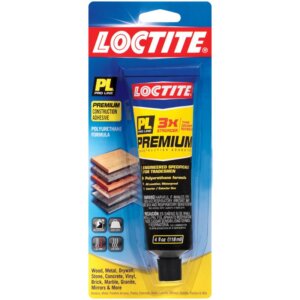
Loctite PL Premium Fast Grab Polyurethane Construction Adhesive 4 oz
$5.86 + Add to CartSKU: 1452291
-
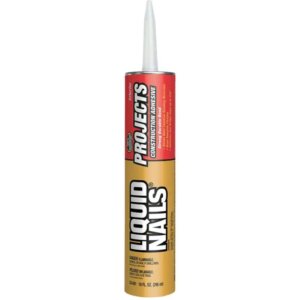
Liquid Nails Interior Projects Construction Adhesive 10 oz
$2.84 + Add to CartSKU: 8456204
-
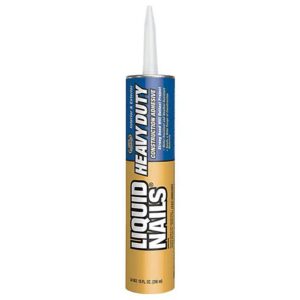
Liquid Nails Heavy-Duty Construction Adhesive 10 oz
$3.42 + Add to CartSKU: 1214543
-
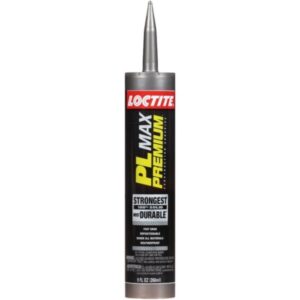
Loctite PL Premium Max Gray Construction Adhesive 9 oz
$12.84 + Add to CartSKU: 1003471
-
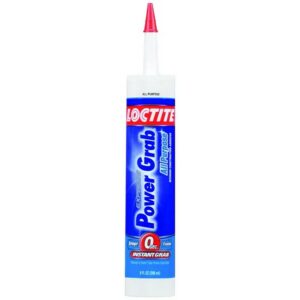
Loctite Power Grab Exterior Construction Adhesive 9 oz
$5.86 + Add to CartSKU: 1590272
-
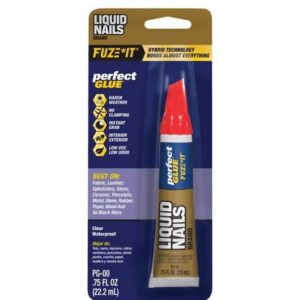
Liquid Nails Fuze-It Perfect Glue Adhesive 0.75 oz
$5.84 + Add to CartSKU: 1835123
-
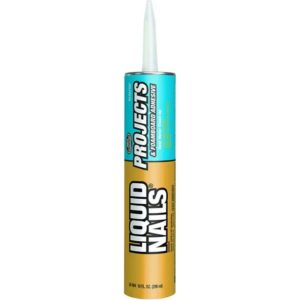
Liquid Nails Project/Foamboard Construction Adhesive 10 oz
$4.74 + Add to CartSKU: 18761
-
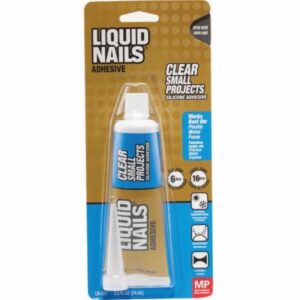
Liquid Nails Small Projects Clear Silicone Adhesive 2.5 oz
$5.84 + Add to CartSKU: 1365436
-
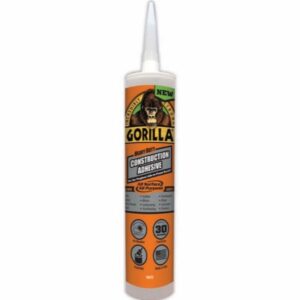
Gorilla Glue Heavy Duty White Construction Adhesive 9 oz
$9.84 + Add to CartSKU: 1590801
-
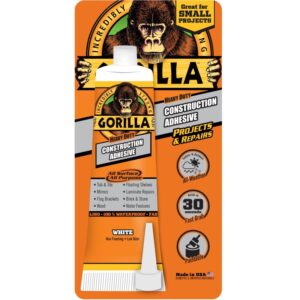
Gorilla Glue Heavy-Duty White Construction Adhesive 2.5 oz
$6.84 + Add to CartSKU: 1595438
-
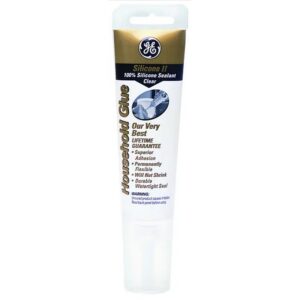
GE Premium Silicone II Clear Glue 2.8 oz
$6.84 + Add to CartSKU: 10090
-
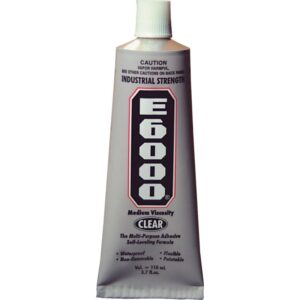
E6000 Industrial Adhesive 3.7 oz
$5.84 + Add to CartSKU: 6593412
Shop this department in store
Our team at Nixa Hardware can help you find the right parts and supplies for your project. Give us a call or stop by and we’ll point you in the right direction.
Open Mon-Sat 8am-6pm, 510 W Mt Vernon, Nixa, MO
Helpful Questions & Answers
Find answers to common questions about Construction Glue from the Nixa Hardware & Seed Co team.
What Is Construction Adhesive
Construction glue is a high-strength bonding agent designed to handle the heavy lifting of building and repair projects. Unlike thin household glues, these adhesives are thicker and formulated to bridge gaps between uneven materials like subflooring, stone veneer, or pressure-treated lumber. Most versions come in tubes meant for a caulking gun, allowing for a steady bead that stays flexible even after it cures. This flexibility is important because it allows materials to expand and contract with the weather without the bond cracking or snapping.
What Is The Best Construction Glue
Liquid Nails Fuze-It is a versatile choice for those who need a glue that works on literally everything—including metal, glass, and even wet surfaces. It has a very high initial “grab,” meaning it holds the weight of the material immediately so you don’t have to spend as much time bracing or clamping. For interior projects like wood paneling or molding, Loctite Power Grab is another favorite because it eliminates the need for nails in many cases. These formulas make the assembly process much faster while ensuring the finished work doesn’t budge.
How To Get Construction Glue Off Hands
Dealing with wet construction glue on your skin is easiest if you act before it sets. Wiping the area with a dry cloth or a paper towel first removes the bulk of the adhesive without spreading it further. Once most of the gunk is gone, washing with a gritty pumice soap or even a mix of dish soap and baking soda provides the friction needed to lift the remaining residue. Our experience shows that a little bit of vegetable oil or mineral oil rubbed onto the skin can also help break down the bond of stubborn polyurethane-based glues.