
Tarps
Tarps are one of those things you don’t think about until you really need one, and then you need the right one fast. Whether you’re covering a woodpile, protecting equipment from weather, patching a leaky barn roof temporarily, or keeping a load dry on the truck, a good tarp does the job without a fuss. At Nixa Hardware & Seed Co, you’ll find tarps in a range of sizes and weights, from economy blue poly to heavy-duty options built for tougher conditions. Match the weight and size to the job. Lighter tarps work fine for short-term cover, while thicker ones hold up better to wind, sun, and repeated use.
Showing the single result
-
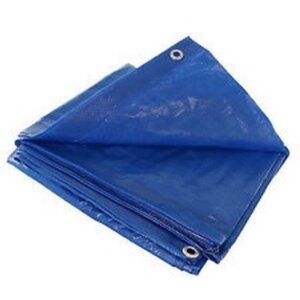
Grip-Rite Economy Blue Tarp 6’x8’
$4.84 + Add to CartSKU: 219638
-
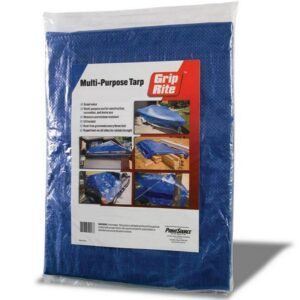
Grip-Rite Heavy-Duty Extreme Poly Tarp 12’x16’
$76.84 + Add to CartSKU: 144291
-
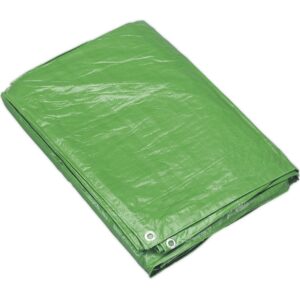
Grip-Rite Heavy-Duty Green & Brown Poly Tarp 12’x16’
$34.84 + Add to CartSKU: 211756
-
Grip-Rite Blue Poly Tarp 10’ x 20’
$21.84 + Add to CartSKU: 123081
-
Grip-Rite Blue Poly Tarp 12’ x 20’
$25.84 + Add to CartSKU: 123823
-
Grip-Rite Poly Blue Tarp 16’ x 20’
$34.84 + Add to CartSKU: 160686
-
Grip-Rite Poly Blue Tarp 20’ x 20’
$43.84 + Add to CartSKU: 107308
-
Grip-Rite Poly Blue Tarp 20’ x 40’
$63.84 + Add to CartSKU: 164483
-
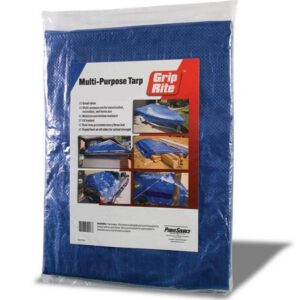
Grip-Rite Poly Blue Tarp 30’ x 40’
$93.86 + Add to CartSKU: 114731
-
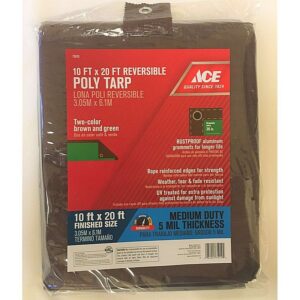
Ace Brown/Green Medium Duty Poly Tarp 10’x20′
$19.84 + Add to CartSKU: 75910
-
Grip-Rite Blue Multi-Purpose Tarp 10’x12′
$15.84 + Add to CartSKU: 130652
-
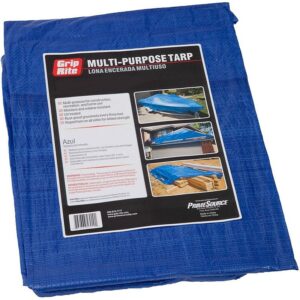
Grip-Rite Blue Multi-Purpose Tarp 12’x16′
$19.84 + Add to CartSKU: 123536
-
Grip-Rite Blue Multi-Purpose Tarp 20’x30′
$52.84 + Add to CartSKU: 164482
-
Grip-Rite Blue Multi-Purpose Tarp 40’x60′
$166.84 + Add to CartSKU: 123012
-
Grip-Rite Blue Multi-Purpose Tarp 8’x10′
$8.74 + Add to CartSKU: 123535
-
Grip-Rite Poly Blue Tarp 5’ x 7’
$3.42 Awaiting RestockSKU: 123534
-
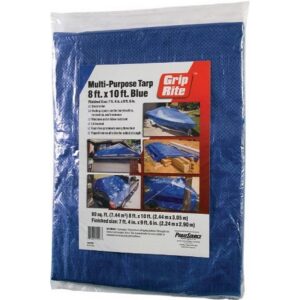
Grip-Rite Blue Multi-Purpose Tarp 9’x12′
$8.74 Awaiting RestockSKU: 134530
Helpful Questions & Answers
Find answers to common questions about Tarps from the Nixa Hardware & Seed Co team.
What Is A Tarp
A tarp, short for tarpaulin, is essentially a large sheet of strong, flexible, waterproof material. Most common ones are made from woven polyethylene, but you’ll also find heavy-duty canvas or vinyl versions for more permanent jobs. They feature reinforced edges and grommets—those metal eyelets—which allow you to tie them down securely. Whether you’re covering a rickety woodpile, shielding a truck bed from a sudden downpour, or creating a makeshift shelter while hunting, it’s the ultimate multi-purpose tool. In the Ozarks, having a couple of these in the shed is basically a requirement for surviving our unpredictable spring weather.
What Size Tarp For Tent
When you’re prepping for a trip into the Ozark hills, a tarp is arguably the most versatile piece of gear in your pack—but using the wrong size can actually make your night worse. To get it right, you have to look at your setup in two distinct layers: the floor and the roof. For the ground cover (the footprint), you actually want a tarp that is slightly smaller than the floor of your tent. If the tarp sticks out past the tent walls, it acts as a funnel, catching every drop of rain and pooling it directly under your sleeping bag. For a standard 10×10 tent, an 8×10 or 9×9 tarp is perfect. If yours is too big, just fold the edges underneath until they are completely hidden. This creates a moisture barrier that protects your tent floor from damp soil and sharp rocks without inviting a flood. When it comes to overhead protection, the rules flip completely. You want a tarp that is at least 4 to 6 feet larger than your tent in every direction. A 12×16 or even a 16×20 tarp allows you to create a steep “A-frame” over your campsite. This not only sheds heavy rain far away from your sleeping quarters but also creates a “dry porch” where you can kick off muddy boots or cook a meal without being trapped inside the tent. It’s the difference between being “stuck in a tent” and actually enjoying a rainy afternoon in the woods.