
Gardening Gloves
A thin glove is fine right up until it meets a rose cane or a buried piece of wire, at which point it becomes a bad decision. Gardening gloves break down by task: dexterity work needs flexibility, rough work needs material that can take abuse. The main things to look at are grip, cut resistance, and how they hold up wet, because they will get wet. One pair for careful work, one for the stuff that fights back. That covers most of what a season throws at a person.
Showing the single result
-
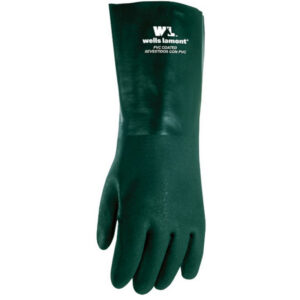
Wells Lamont Green Chemical Gloves
$4.84 + Add to CartSKU: 7805252
-
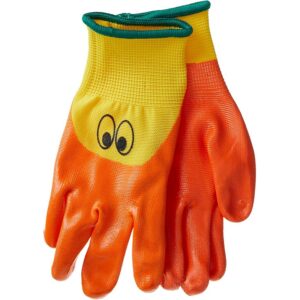
Atlas Kids Ducky Gloves
$5.84 + Add to CartSKU: 213638
-
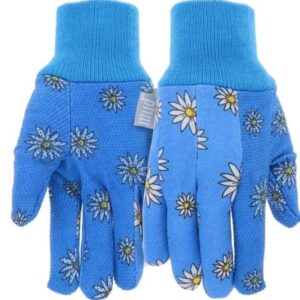
Basic Children’s Garden Gloves
$2.86 + Add to CartSKU: 5916077
-
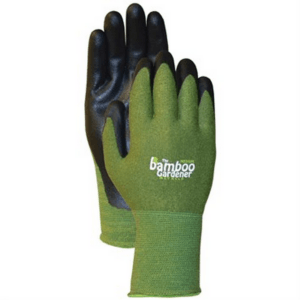
Bamboo Gardener Green Nitrile Gloves
$9.74 + Add to CartSKU:
-
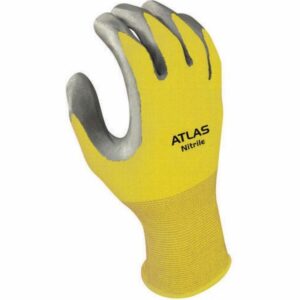
Atlas Unisex Nitrile Glove 370 SIZE M
$4.86 + Add to CartSKU: 1046341
-
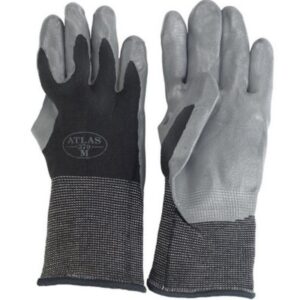
Atlas Unisex Nitrile Glove SIZE M
$4.84 + Add to CartSKU: 7142573
-
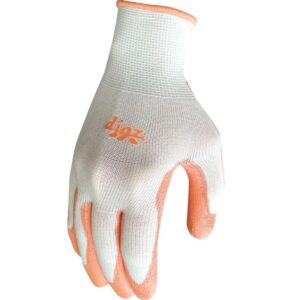
Digz Poly Garden Gloves SIZE S
$4.84 Awaiting RestockSKU: 7013586
-
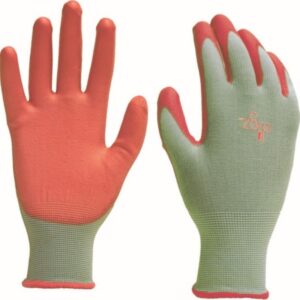
Digz Poly Coated Garden Gloves SIZE M
$4.84 Awaiting RestockSKU: 7011643
-
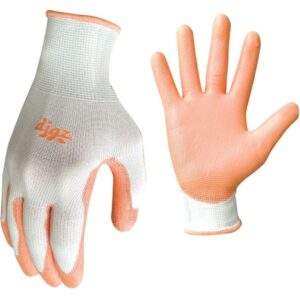
Digz Poly Gray/Orange Garden Gloves SIZE L
$4.84 Awaiting RestockSKU: 7011642

Helpful Questions & Answers
Find answers to common questions about Gardening Gloves from the Nixa Hardware & Seed Co team.
What Are Gardening Gloves Made Of
Leather is the gold standard for heavy-duty protection against thorns, splinters, and rough stone. Most high-quality Garden Gloves are crafted from goatskin, deerskin, or cowhide. Goatskin is particularly prized among local growers because it remains soft and pliable even after it has been wet and dried, which is a significant advantage during our humid Missouri springs. You will also find reinforced cotton or canvas gloves that offer excellent breathability for lighter tasks like weeding or raking. These traditional materials are chosen specifically because they can handle the abrasive nature of our soil while protecting your hands from the blisters that come with long hours of manual labor. Whether you are clearing brush or pruning roses, a leather palm provides the essential barrier needed for safety and comfort.
How To Clean Gardening Gloves
Most synthetic and cotton Garden Gloves are remarkably easy to maintain, as they can be tossed into the washing machine for a thorough cleaning. We suggest rinsing off any heavy mud with a garden hose before bringing them indoors to prevent clogging your household drains. Use a cold-water cycle with a mild detergent and avoid using bleach, which can break down the elastic fibers or the nitrile coating over time. It is best to let them air dry naturally rather than putting them in the dryer, as high heat can cause the synthetic palms to crack or become brittle. Taking a few minutes to wash your gear after a weekend of yard work keeps the material flexible and prevents the buildup of bacteria and unpleasant odors.