
Pruning
Keeping trees, shrubs, hedges, and fruit plants healthy and productive starts with clean cuts made at the right time with the right tool. Bypass pruners, anvil pruners, bow saws, folding pruning saws, hedge shears, grass shears, hacksaws, and tin snips cover everything from deadheading flowers to taking down small limbs and trimming fence lines. A sharp bypass pruner is the workhorse of any garden. It makes clean cuts that heal faster than the crushing cuts an anvil pruner leaves, which matters most on live green wood and fruit trees.
Showing the single result
-
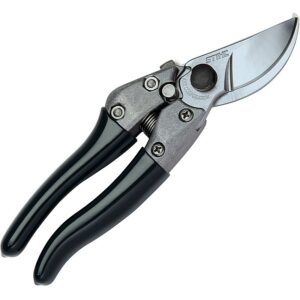
STIHL PP 60 Hand Pruner
$56.99 + Add to CartSKU: PP60
-
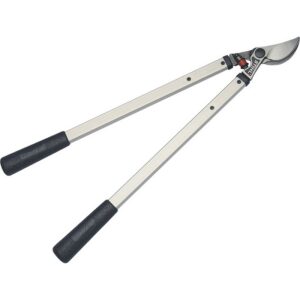
STIHL PL 10 Lopper 24”
$96.00 + Add to CartSKU: 8232.049
-
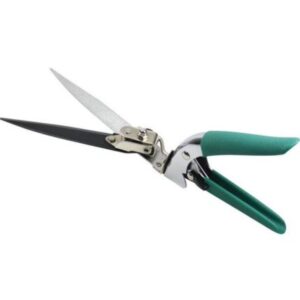
Landscapers Select Grass Shear 90° 3-Position 6-3/4”
$12.84 + Add to CartSKU: 3602349
-
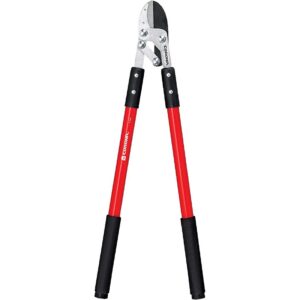
Corona Compound-Action Anvil Lopper 32”
$52.84 + Add to CartSKU: 2585420
-
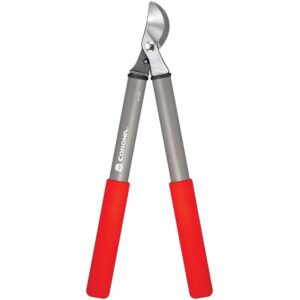
Corona Two Hand Pruning Shear
$34.84 + Add to CartSKU: 528-2264
-
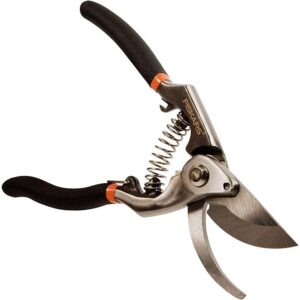
Fiskars Bypass Pruning Shear 3/4” Cut Capacity Steel Blade
$25.84 + Add to CartSKU: 3622313
-
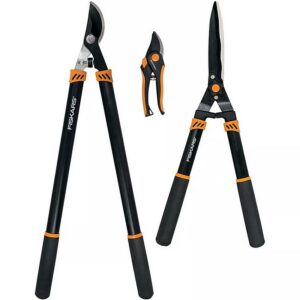
Fiskars Stainless Steel Lopper Pruner Set 3 pc
$46.84 + Add to CartSKU: 7025564
-
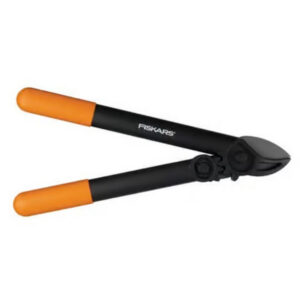
Fiskars PowerGear Super Pruner Steel Anvil Lopper 15”
$27.86 + Add to CartSKU: 7710841
-
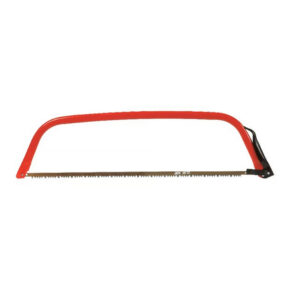
Ace Carbon Steel Raker Tooth Bow Saw 30”
$11.84 + Add to CartSKU: 7035496
-
Ace Carbon Steel Bypass Pruner Replacement Blade
$5.42 + Add to CartSKU: 7099930
-
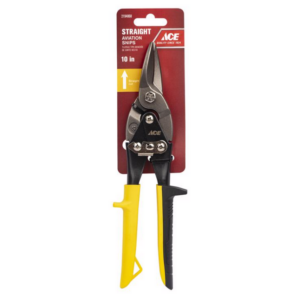
Ace Straight Cut Aviation Tin Snips
$6.84 + Add to CartSKU: 2194868
-
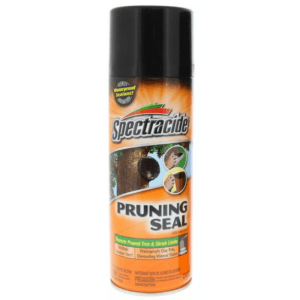
Spectracide Black Pruning Seal 13 oz
$6.84 + Add to CartSKU: 7068018
-
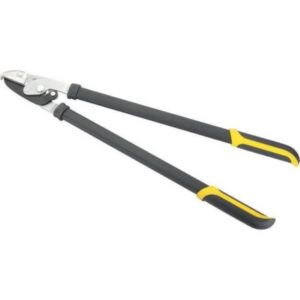
Landscapers Select Steel Anvil Lopper Deluxe 27 in
$25.84 + Add to CartSKU: 824-8759
-
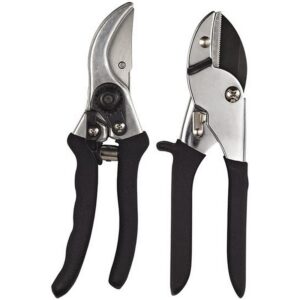
Landscapers Select Pruner Set 2 pc Bypass Anvil
$13.84 + Add to CartSKU: 8385254
-
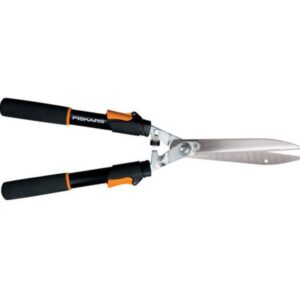
Fiskars Steel Serrated Telescoping Hedge Shears 10 in
$32.84 + Add to CartSKU: 7288509
-
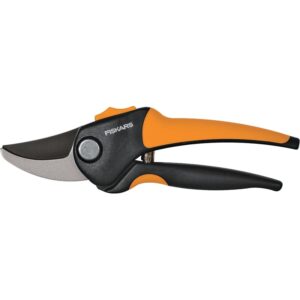
Fiskars Steel Blade Bypass Pruner
$18.74 + Add to CartSKU: 650-6067
-
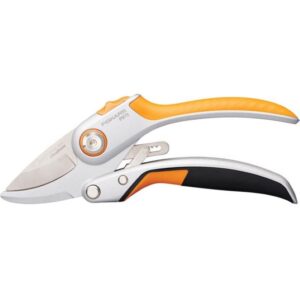
Fiskars Ratcheting Hand Pruner
$35.84 + Add to CartSKU: 7025563
-
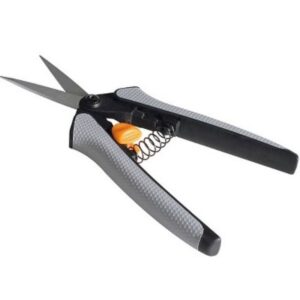
Fiskars Micro-tip Pruning Snips 6 in
$15.84 + Add to CartSKU: 309-4547
-
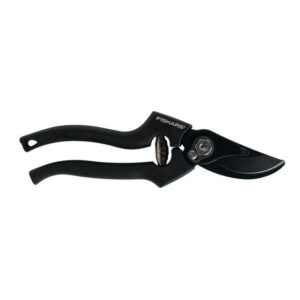
Fiskars Curved Steel Pruners 5″
$23.86 + Add to CartSKU: 7025545
-
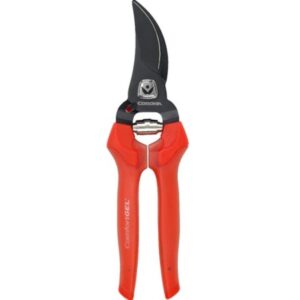
Corona ComfortGEL Stainless Steel Bypass Pruners 4.5 in
$16.84 + Add to CartSKU: 7304017
-
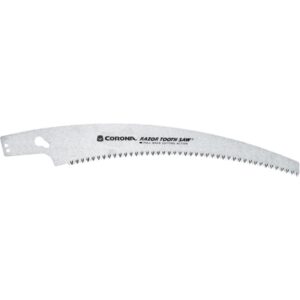
Corona Stainless Steel Curved Pruner Replacement Blade 13 in
$27.84 + Add to CartSKU: 7051436
-
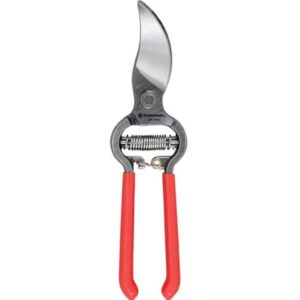
Corona Classic Cut Steel Bypass Pruners 8 in
$22.84 + Add to CartSKU: 71409
-
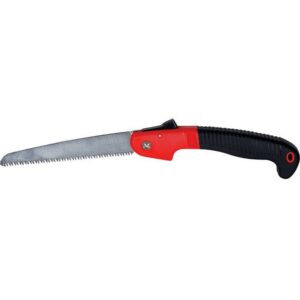
Ace Steel Triple Cut Folding Pruning Saw 8 in
$9.84 + Add to CartSKU: 7263122
-
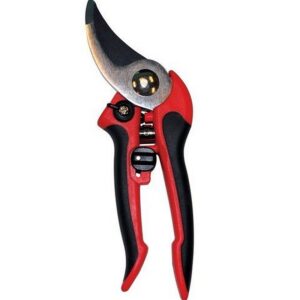
Ace Chrome Plated Bypass Pruners 8 in
$9.84 + Add to CartSKU: 7263130
-
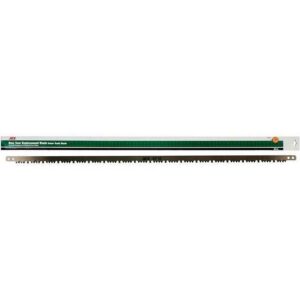
Ace Carbon Steel Raker Tooth Bow Saw Replacement Blade 30 in
$6.86 + Add to CartSKU: 7035538
-
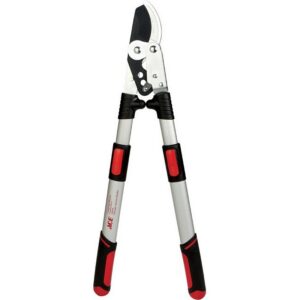
Ace Carbon Steel Telescoping Bypass Lopper
$33.84 + Add to CartSKU: 7368418
-
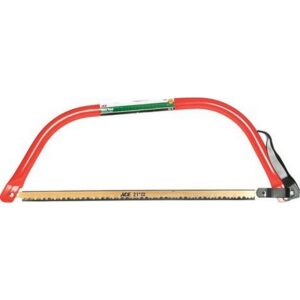
Ace Carbon Steel Raker Tooth Bow Saw 21 inch
$11.84 + Add to CartSKU: 7035488
-
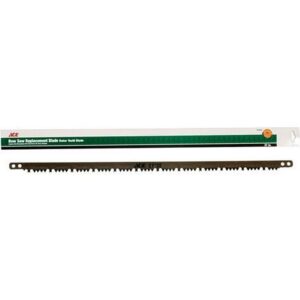
Ace Carbon Steel Raker Tooth Bow Saw Replacement Blade 21 inch
$2.84 + Add to CartSKU: 7035561
-
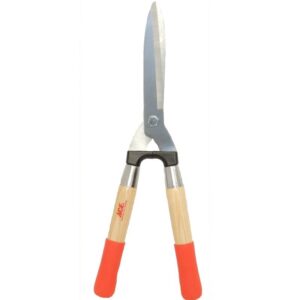
Ace Steel Straight Edge Hedge Shears 21 in
$15.74 Awaiting RestockSKU: 7094444


Helpful Questions & Answers
Find answers to common questions about Pruning from the Nixa Hardware & Seed Co team.
What Is Pruning
Beyond just survival, pruning is a powerful tool for directing growth and boosting the production of flowers and fruit. In a garden or orchard setting, cutting back older, non-productive wood tells the plant to channel its energy into fresh, vigorous growth that will actually yield a harvest. It also allows you to shape your greenery into a more pleasing form, whether you are trying to keep a shrub from blocking a window or training a young tree to have a strong central leader. While plants do “self-prune” by dropping shaded twigs, taking an active hand ensures that the process happens safely and precisely, adding years of beauty and productivity to your property.
How To Prune Plants
Success starts with having the right tool for the job—using a small pair of hand pruners on a thick limb is a quick way to ruin the tool and crush the plant’s tissue. For anything under an inch, a sharp pair of bypass pruners works like scissors to give you a clean, healthy cut. If you’re tackling larger branches, reach for the loppers or a pruning saw to ensure you aren’t straining yourself or the wood. A key rule to remember is the One-Third Rule: never remove more than about 30% of a plant’s total foliage in a single year. This keeps the plant from going into shock and ensures it has enough “solar panels” (leaves) left to fuel its recovery.