
Spackling
Nail holes, small dents, and hairline cracks are quick fixes when you’ve got the right spackling compound on hand. DAP DryDex is a favorite for a reason. It goes on pink and dries white, so you know exactly when it’s ready to sand. For larger wall repairs, a self-adhesive patch backed with spackling compound gets you back to a smooth surface without a lot of fuss. Sand it flush, prime it, and it disappears.
Showing the single result
-
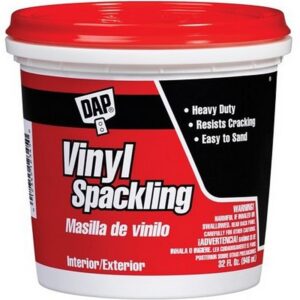
DAP Vinyl Spackling Paste 1 qt
$8.74 + Add to CartSKU: 18768
-
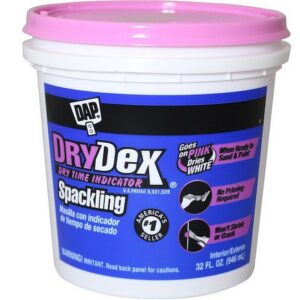
DAP DryDex Dry Time Indicating Pink Spackling 1 qt
$9.84 + Add to CartSKU: 1148998
-
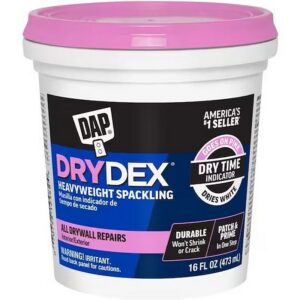
DAP DryDex Dry Time Indicator Pink Spackling Compound 16 oz
$6.86 + Add to CartSKU: 1034220
-
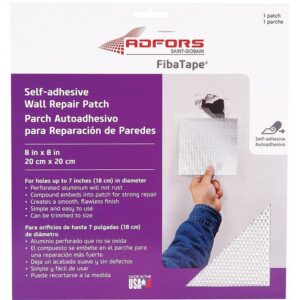
FibaTape Self-Adhesive White Wall & Ceiling Repair Patch 8”x8”
$3.84 Awaiting RestockSKU: 1821826
Helpful Questions & Answers
Find answers to common questions about Spackling from the Nixa Hardware & Seed Co team.
Can You Spackle Over Paint
While applying Spackling over paint is common, you have to watch out for “flashing”—that’s when the patched area looks duller or shinier than the rest of the wall after you paint over it. This happens because the spackle is more porous than the surrounding painted surface and soaks up the moisture in the paint differently. To prevent this, we always recommend hitting those dried patches with a quick dab of primer before you start your main rolling. This seals the repair and ensures your topcoat looks uniform and professional across the entire surface. Taking this extra minute during the prep phase saves you the frustration of seeing every single repair “ghosting” through your expensive new color.
What Is Spackle
Think of Spackling as the first aid kit for your drywall and plaster. It is a putty-like compound made from gypsum and elastic binders designed specifically to fill small holes, cracks, and dents in your walls. Unlike other fillers, most modern spackles are designed to dry quickly and shrink very little, which is exactly what you want when you’re trying to hide the evidence of a moved picture frame. In Southwest Missouri, we see everything from historic plaster to modern drywall, and having a small tub of this on the shelf is essential for any homeowner. It’s thick enough to stay in the hole without sagging but soft enough to sand down to a glass-smooth finish with very little effort.
Is Spackle The Same As Joint Compound
While they might look similar in the tub, Spackling and joint compound are definitely not the same thing. Joint compound, often called “mud” by builders in Greene & Christian County, is designed for much larger tasks like taping the seams between new sheets of drywall. It has a thinner, creamier consistency and is formulated to be applied in thin, wide layers over a larger area. Spackle, on the other hand, is much thicker and dries significantly faster, making it the better choice for quick “spot repairs” on a finished wall. Trying to use joint compound for a small nail hole often leads to frustration because it shrinks as it dries, usually requiring two or three applications to get the hole filled.