
Wood Filler
Wood filler is what you reach for when you’ve got gouges, holes, or damaged wood that needs to look right before it gets painted or stained. The key is matching the filler to the finish. If you’re staining, color-matched wood putty makes the repair nearly invisible. Minwax wood putty comes in a solid range of stain-matched colors, and DAP and Famowood cover the paintable repairs. Pack it slightly proud of the surface, let it cure fully, and sand it flush for the cleanest result.
Showing the single result
-
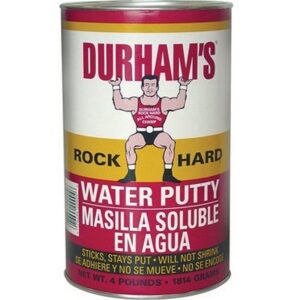
Durham’s Rock Hard Water Putty 4 lb
$11.84 + Add to CartSKU: 10942
-
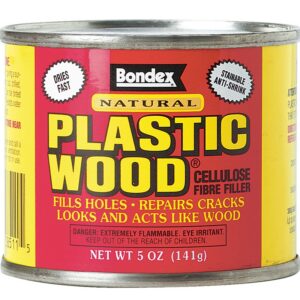
DAP Natural Solvent Plastic Wood Filler 4 oz
$4.84 + Add to CartSKU: 10925
-
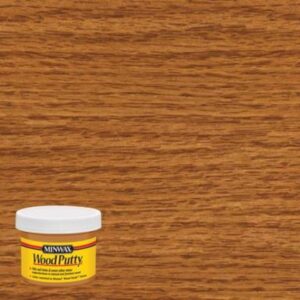
Minwax Wood Putty Cherry 3.75 oz
$3.42 + Add to CartSKU: 1198142
-
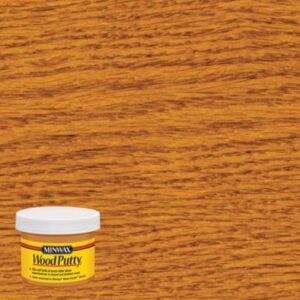
Minwax Wood Putty Colonial Maple 3.75 oz
$3.42 + Add to CartSKU: 1198134
-
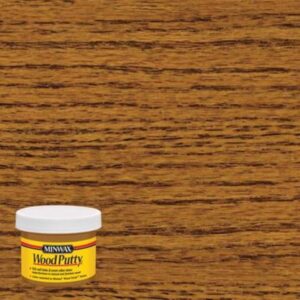
Minwax Wood Putty Early American 3.75 oz
$3.42 + Add to CartSKU: 1197912
-
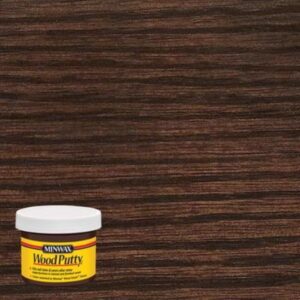
Minwax Wood Putty Ebony 3.75 oz
$3.42 + Add to CartSKU: 1197888
-
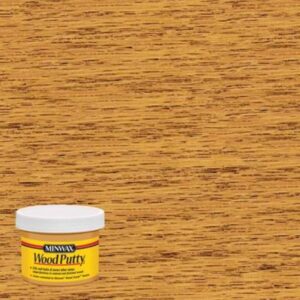
Minwax Wood Putty Golden Oak 3.75 oz
$3.42 + Add to CartSKU: 1198159
-
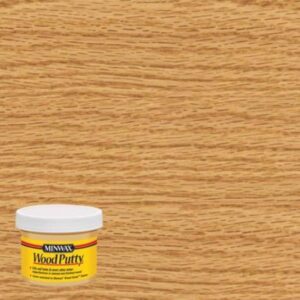
Minwax Wood Putty Natural Pine 3.75 oz
$3.42 + Add to CartSKU: 1198183
-
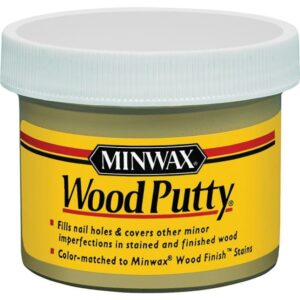
Minwax Wood Putty Pickled Oak 3.75 oz
$3.42 + Add to CartSKU: 1198175
-
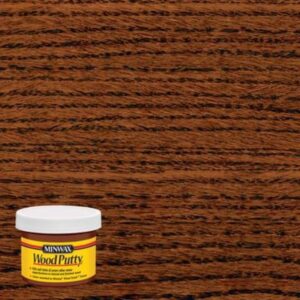
Minwax Wood Putty Red Mahogany 3.75 oz
$3.42 + Add to CartSKU: 1197805
-
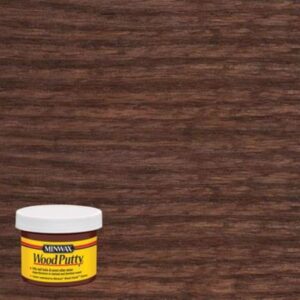
Minwax Wood Putty Walnut 3.75 oz
$3.42 + Add to CartSKU: 1197904
-
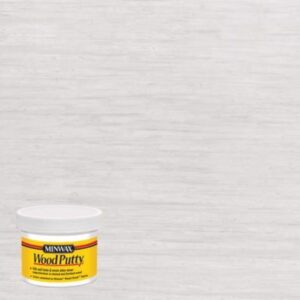
Minwax Wood Putty White 3.75 oz
$4.84 + Add to CartSKU: 1198167
-
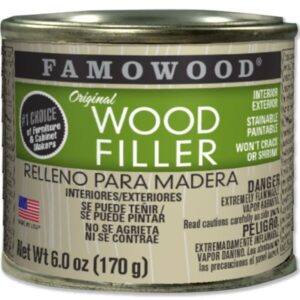
Famowood Wood Filler Natural 6 oz
$3.42 + Add to CartSKU: 19774
-
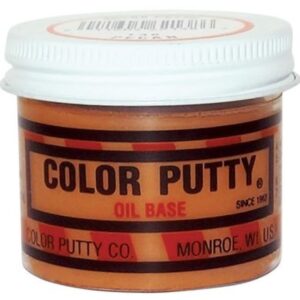
Color Putty Wood Filler Pecan 3.68 oz
$2.86 + Add to CartSKU: 10830
-
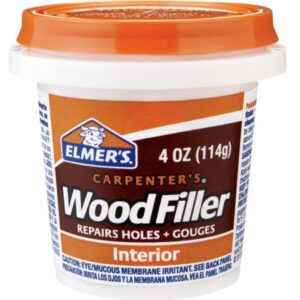
Elmer’s Wood Filler Natural 4 oz
$3.86 + Add to CartSKU: 13492
-
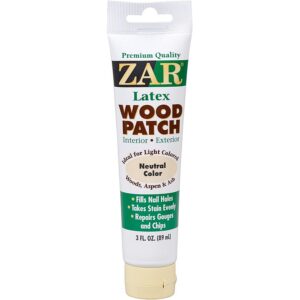
ZAR Neutral Latex Wood Patch 3 oz
$3.86 + Add to CartSKU: 19402
-
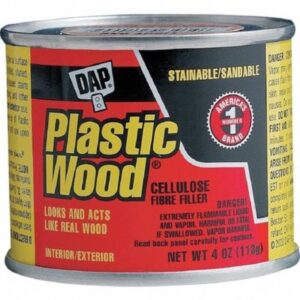
DAP Plastic Wood Filler Natural 4 oz
$5.74 + Add to CartSKU: 6368476
-
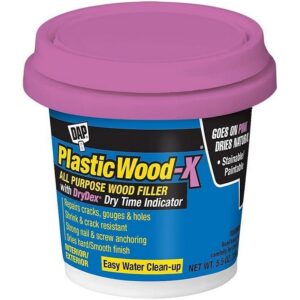
DAP Plastic Wood-X with DryDex Wood Filler 5.5 oz
$3.84 + Add to CartSKU: 1894591
-
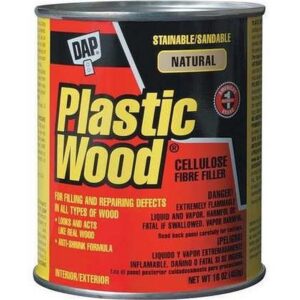
DAP Plastic Wood Filler Natural 16 oz
$12.84 + Add to CartSKU: 10927
-
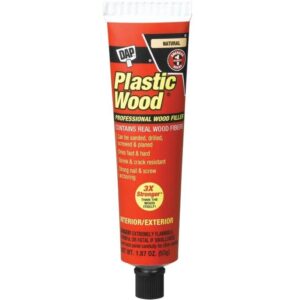
DAP Plastic Wood Filler Tube Natural 1.87 oz
$3.42 + Add to CartSKU: 10924
-
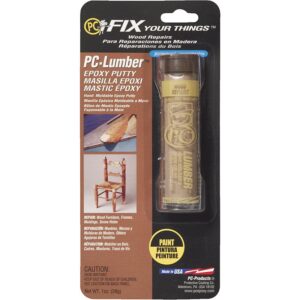
PC-Lumber Epoxy Wood Repair Putty 1 oz
$6.54 Awaiting RestockSKU: 1060698
Helpful Questions & Answers
Find answers to common questions about Wood Filler from the Nixa Hardware & Seed Co team.
How To Use Wood Filler
To get the best results with Wood Filler, you need to start with a clean, dry surface. Use a screwdriver or a stiff brush to scrape out any loose splinters or old finish from the crack or gouge. When you apply the filler, we suggest using a flexible putty knife to press the material firmly into the void, ensuring there are no air pockets left behind. It is a smart move to “overfill” the hole slightly, leaving a small mound of filler above the surface. Since most fillers shrink as the moisture evaporates, this extra bit ensures that once it dries, you aren’t left with a concave dip that needs a second application.
What Is The Difference Between Wood Putty And Wood Filler
The primary difference comes down to whether the product hardens or stays flexible. Wood Filler is typically water or solvent-based and is designed to dry into a rock-hard, sandable surface. This makes it the go-to for raw wood repairs where you need to fill a hole before you do your final sanding and staining. On the other hand, wood putty is an oil-based, non-hardening substance that remains pliable long after application. It’s meant for “beauty” touch-ups on projects that are already finished, like filling a tiny nail hole in a piece of crown molding. Because it never truly dries out, it can handle the slight expansion of the wood, but you should never try to sand it or paint over it.
Can Wood Filler Be Stained
Achieving a natural look with stained Wood Filler usually requires a bit of professional trickery. Since store-bought fillers can be stubborn, many builders prefer to make a “custom” filler by mixing fine sanding dust from the actual project with a clear wood glue. This ensures the material in the hole is the same species as the rest of the wood, which helps it react more realistically to the stain. If you are using a commercial product, applying a pre-stain conditioner can help even out the absorption between the porous wood and the denser filler. Always remember that “stainable” means it will take color, not that it will be a perfect match, so don’t be afraid to use multiple thin coats of stain to get the blend just right.