
Ceiling & Floor Paint
Ceilings and floors take paint differently than walls do, and using the wrong formula on either one shows up fast. Ceiling paint is flat and heavy-bodied so it covers in fewer coats and doesn’t drip while you’re rolling overhead. Floor paint is built to take foot traffic, scuffs, and moisture without peeling up at the edges. Nixa Hardware & Seed Co carries both in formulas that work on concrete, wood, and previously painted surfaces.
Showing the single result
-
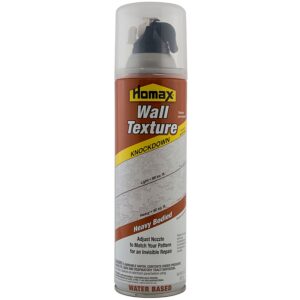
Homax Easy Touch Knockdown Wall Texture Spray 20 oz
$14.86 + Add to CartSKU: 1067503
-
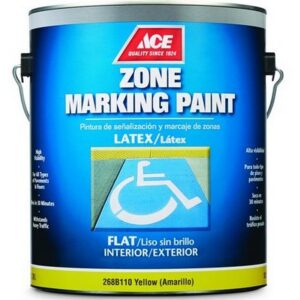
Ace Yellow Latex Zone Marking Paint 1 gal
$32.86 + Add to CartSKU: 1021456
-
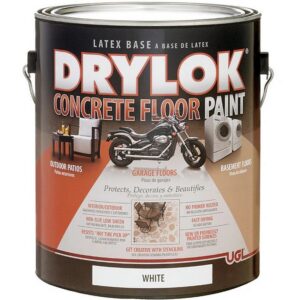
Drylok Low Sheen White Concrete Floor Paint 1 gal
$32.86 + Add to CartSKU: 1038843
-
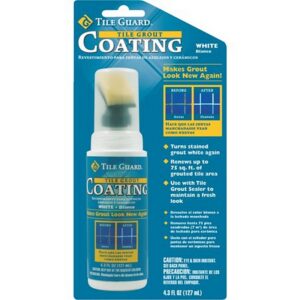
Homax Tile Guard White Tile Grout Coating 4.3 oz
$6.84 + Add to CartSKU: 18217
-
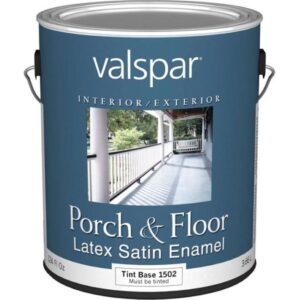
Valspar Porch & Floor Latex Satin Enamel Tint Base 1 gal
$38.86 + Add to CartSKU: 6903066
-
Valspar Latex Porch & Floor Paint Clear Satin 1 gal
$37.84 + Add to CartSKU: 1966043
-
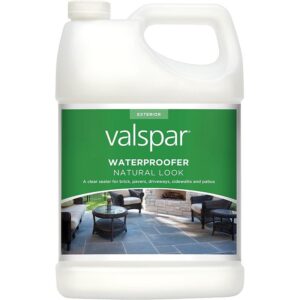
Valspar Concrete & Masonry Waterproofer Natural Look 1 gal
$43.84 + Add to CartSKU: 3637022
-
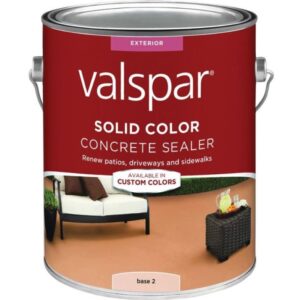
Valspar Concrete Sealer Exterior Base 2 – 1 gal
$22.84 + Add to CartSKU: 3636933
-
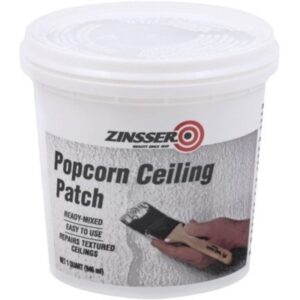
Zinsser Popcorn Ceiling Texture Patch 1 qt
$6.86 + Add to CartSKU: 1004381
-
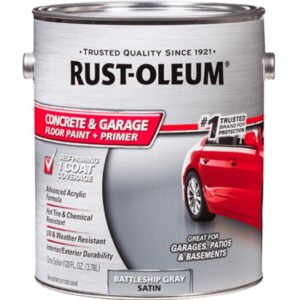
Rust-Oleum Concrete & Garage Paint Battleship Gray 1 gal
$53.84 + Add to CartSKU: 1314988
-
Homax Wall Texture Water-Based Orange Peel 10 oz
$12.84 + Add to CartSKU: 6041453
-
Homax Wall Texture Water-Based Orange Peel 20 oz
$14.84 + Add to CartSKU: 1227594
-
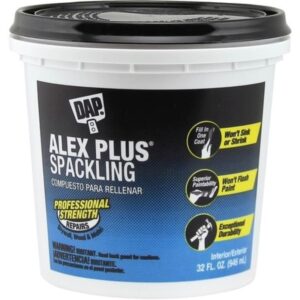
DAP Alex Plus Spackling 32 oz
$11.84 + Add to CartSKU: 1696533
-
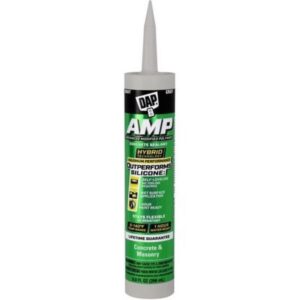
DAP AMP Self-Leveling Concrete Sealant Gray 9 oz
$9.84 + Add to CartSKU: 1025573
-
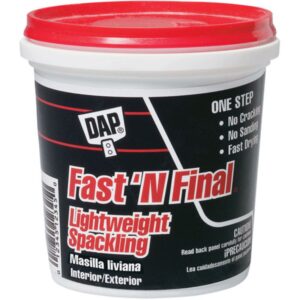
DAP Fast ‘N Final Lightweight Spackling 8 oz
$2.84 + Add to CartSKU: 1620277
-
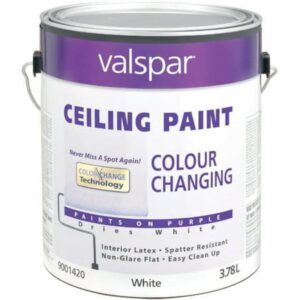
Valspar Skylight Color Changing Ceiling Paint 1 gal
$39.84 + Add to CartSKU: 2017465
-
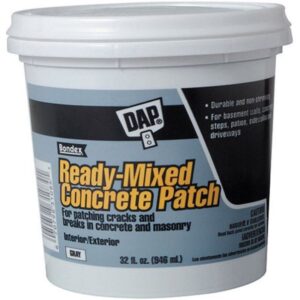
DAP Concrete Patch Ready Mix Gray 32 oz
$11.84 + Add to CartSKU: 13128
-
DAP Fast ‘N Final Lightweight Spackling Compound 3 oz
$8.74 + Add to CartSKU: 1014865
-
Zinsser Covers Up Ceiling Paint & Primer In One Spray Flat White 13 oz
$9.84 + Add to CartSKU: 1223478
-
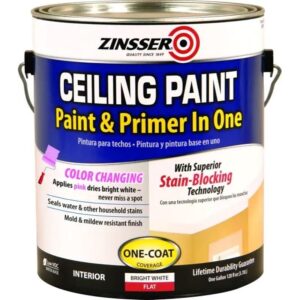
Zinsser Ceiling Paint & Primer In One 1 gal
$35.84 + Add to CartSKU: 3005022
-
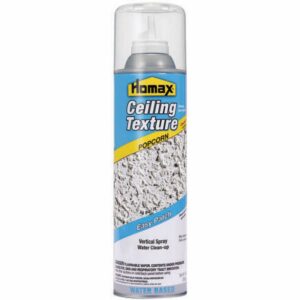
Homax Easy Patch Popcorn Ceiling Texture 14 oz
$13.84 + Add to CartSKU: 1379957
-
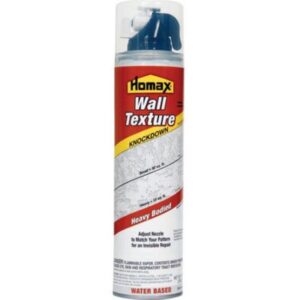
Homax Wall Texture Knockdown 10 oz
$9.84 + Add to CartSKU: 1055318
-
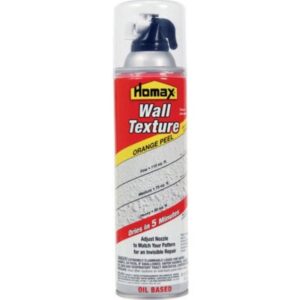
Homax Wall Texture Oil-Based Orange Peel 20 oz
$14.84 + Add to CartSKU: 1067511
-
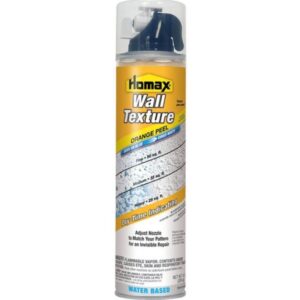
Homax White Wall & Ceiling Texture 10 oz
$11.86 + Add to CartSKU: 1015082
-
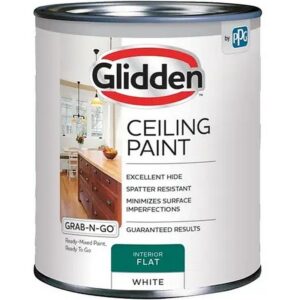
Glidden Grab-N-Go Flat White Ceiling Paint 1 qt
$12.84 Awaiting RestockSKU: 8788895
-
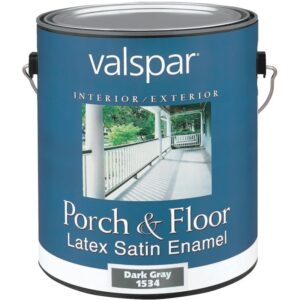
Valspar Latex Porch & Floor Satin Enamel Dark Gray 1 gal
$38.86 Awaiting RestockSKU: 1996065
-
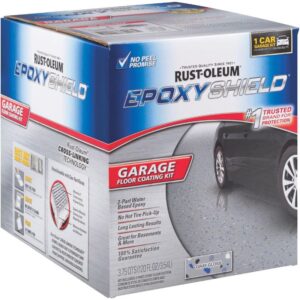
Rust-Oleum Epoxy Shield Garage Floor Coating Kit Gray 2 gal
$128.64 Awaiting RestockSKU: 1408889
Helpful Questions & Answers
Find answers to common questions about Ceiling & Floor Paint from the Nixa Hardware & Seed Co team.
Is Ceiling Paint Different From Wall Paint
Our experience has shown that using the right tool for the job saves a lot of swearing later on. This specialty Ceiling & Floor Paint is formulated to stick better and reflect less light than what you’d put on your living room walls. Especially in some of the older farmhouses throughout Christian and Greene County, ceilings have a lot of character, or “blemishes” as the missus calls them, that a standard satin wall paint would highlight like a spotlight. We stick to the flat stuff for the rafters so the focus stays on the floor where it belongs.
What Kind Of Paint To Use On Popcorn Ceiling
Flat is the only way to go unless you want your ceiling to look like a shiny topographical map of the Ozarks. We generally suggest a high-quality, flat latex Ceiling Paint because it won’t weigh down the texture or cause it to peel off in wet chunks. The secret isn’t just the paint, though; it’s using a thick, long-nap roller and moving slow so you don’t knock all the “popcorn” onto the carpet. It’s a tedious job, but it’s a whole lot better than scraping that stuff off and starting from scratch.
How To Paint Concrete Floor
Prep work is ninety percent of the battle when you’re trying to make a coating stick to a slab. You’ve got to scrub that concrete until it’s clean enough to eat off of, and then hit it with an etcher so the Ceiling & Floor Paint has something to bite into. We’ve seen plenty of folks skip the cleaning and wonder why their floor looks like a peeling sunburn two weeks later. Once it’s dry and etched, apply your first coat thin and even, and give it plenty of time to cure before you start dragging heavy equipment across it.
How To Paint Garage Floor
Cleaning up the oil spots and road salt is the first thing on your list if you want a finish that actually stays put. We’ve found that a good degreaser is your best friend before you even think about opening a can of garage floor paint. Once the floor is bone-dry, apply the coating in small sections, and if you’re feeling fancy, you can sprinkle in some of those decorative flakes to hide the inevitable scuffs. It makes the garage feel less like a dungeon and more like a proper place to tinker on the tractor when the weather turns sour.
How To Paint Ceiling
For a professional-grade ceiling, the type of paint you choose is just as important as your technique. We recommend using a dedicated ceiling paint that is formulated to be “ultra-flat,” as any sheen will highlight every bump in the drywall. Many people find success with “color-change” paints that go on pink and dry white; this makes it incredibly easy to see exactly where you have already been. Use a “W” or “V” rolling pattern to distribute the paint evenly, then finish with long, light strokes in one direction to level the texture. It’s also vital to wear eye protection and a hat, as fine mist is inevitable when you’re working overhead. This systematic approach eliminates the “patchy” look that often plagues DIY jobs, leaving you with a clean, bright overhead surface.