Cold-Grazer Rye Seed 50 lb
$23.95
Bulk Seed Discount
In stock
-
Free Store Pickup
Available for MO, AR, KS, OK addresses at checkout
-
Shipping
Ships to lower 48 (excl. CA) on eligible items. -
Local Delivery
Available by phone; call to place order & schedule delivery
-
Shop In-Store
Open Mon–Sat, 8 am–6 pm for all items.
Type
Growing Season
Spring
Planting Dates
Height
Seeding Rate
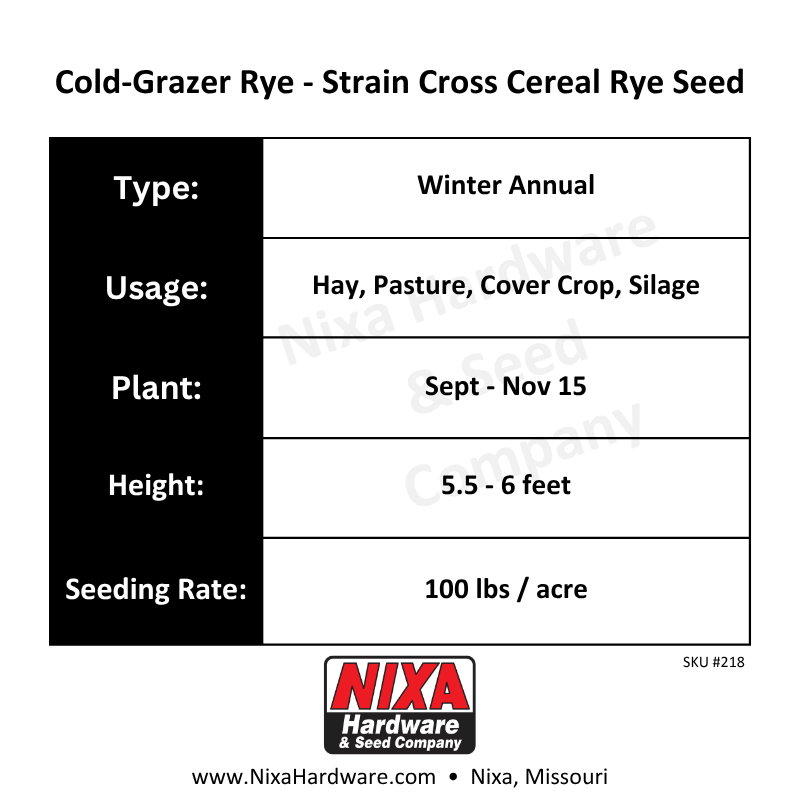
Cold-Grazer Rye Seed is a remarkable winter annual grain specifically designed to fill the winter void in your grazing program while reducing hay expenses. This strain- cross rye continues growing in temperatures up to 12°F colder than wheat, common rye, or ryegrass, extending your grazing season by approximately 60 days annually. Cold-Grazer Rye delivers substantially higher forage yields and protein content, making it the smart choice for reducing expensive winter hay operations. Fills the winter void and replaces expensive haying operations.
Key Features of Cold-Grazer Rye Seed
Additional Information
Understanding the performance differences between forage options is critical for maximizing your winter grazing program:
| Feature | Cold-Grazer Rye | Common Rye/Ryegrass | Wheat |
|---|---|---|---|
| Minimum Soil Temp | 40°F (34°F for germination) | 50-52°F (45°F minimum for germination) | 40°F (spring wheat) |
| Minimum Air Temp | Low 30s°F (grows in low temps) | Higher | Higher |
| Grazing Window | Fall – Winter – Spring | Fall – Spring | Fall – Spring |
| Growth Rate | Rapid (even in colder temps) | Moderate–Rapid | Moderate |
| Forage Quality | High | High | Moderate |
| Key Advantage | Unmatched cold tolerance, provides winter forage | Can provide high-quality forage in fall and spring | Often cheaper seed, good forage option for fall/spring |
For optimal results with Cold-Grazer Rye, implement rotational or strip grazing when plants reach 6-12 inches in height, maintaining at least 3-4 inches residual height to ensure vigorous regrowth. Consider applying fertilizer in split applications for maximum productivity – half in fall to support establishment and half in spring to boost production when livestock needs are highest. Many farmers find that despite identical labor costs when drilling various forages, Cold-Grazer delivers significantly more grazing days per acre, effectively lowering their cost per unit of livestock nutrition while simultaneously building soil health through increased organic matter and reduced winter erosion.
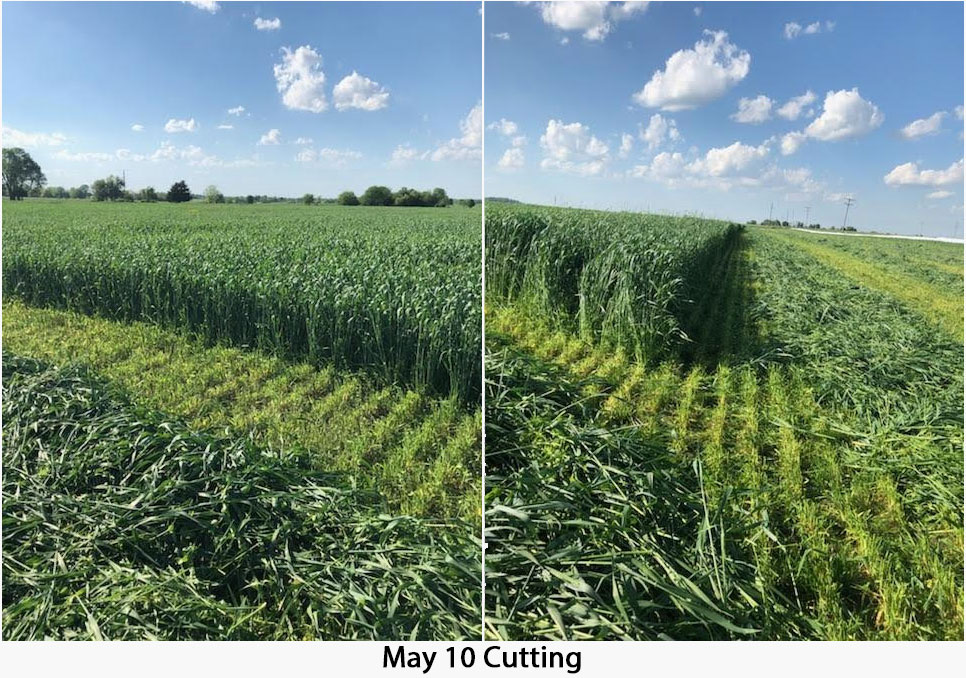
Coldgrazer Rye Being Cut in Field in May
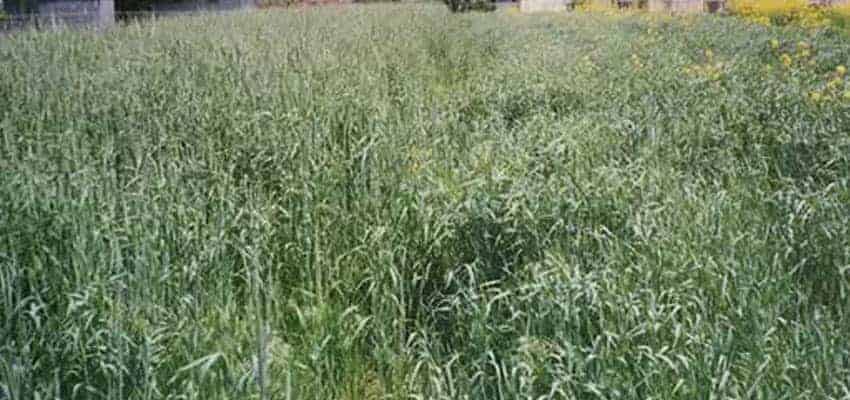
Cold Grazer Rye on left vs Common Rye on right
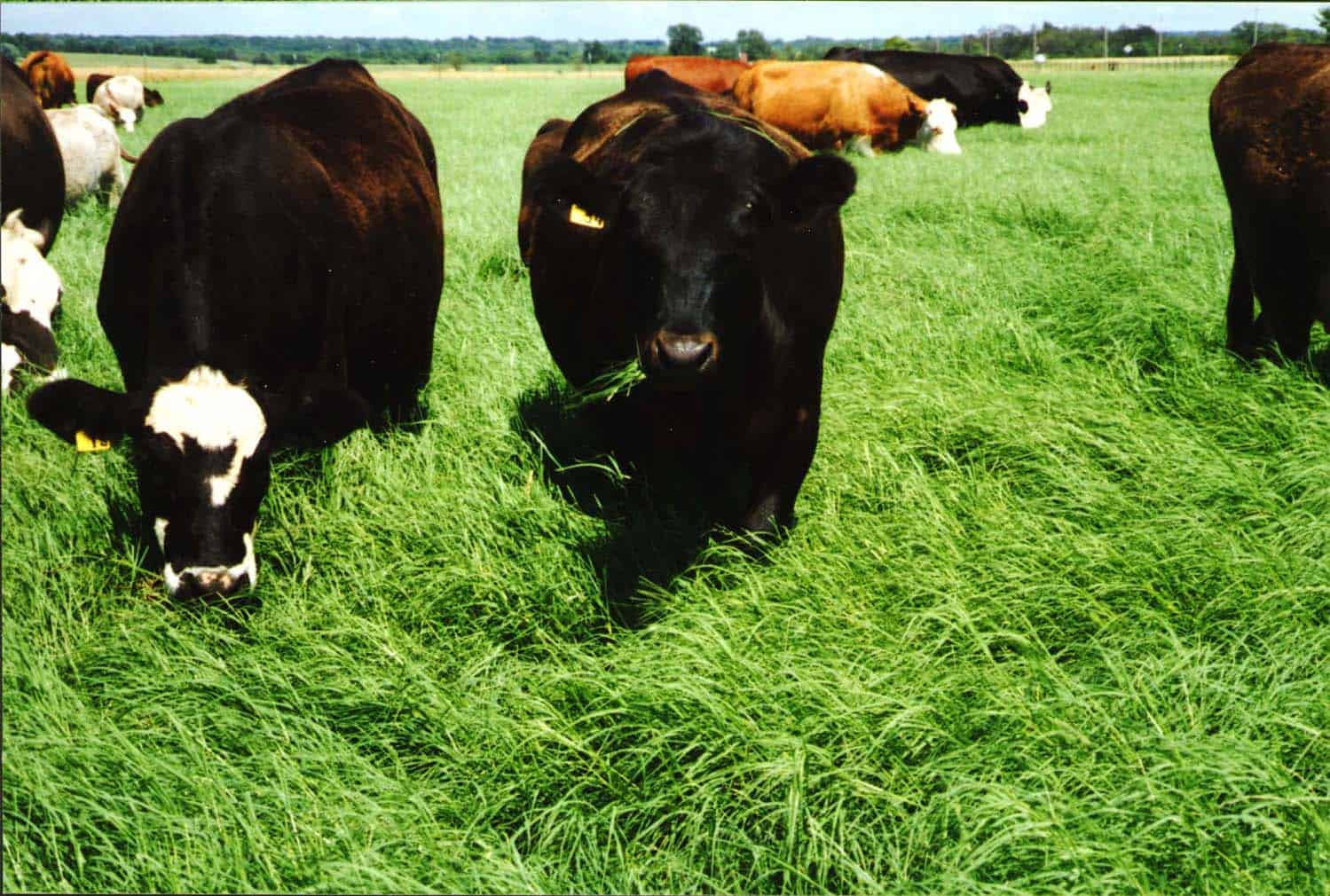
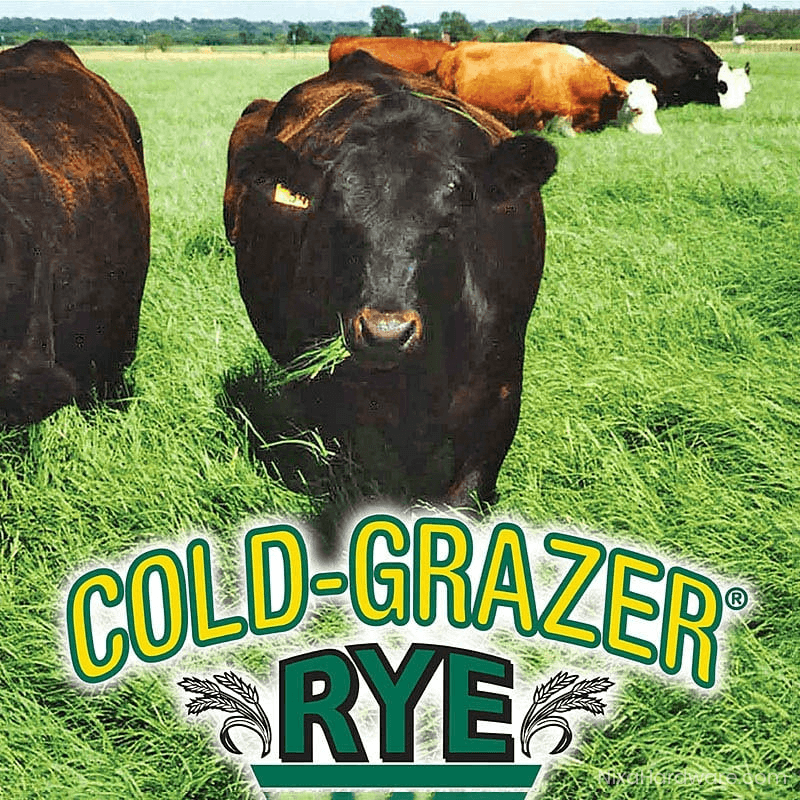
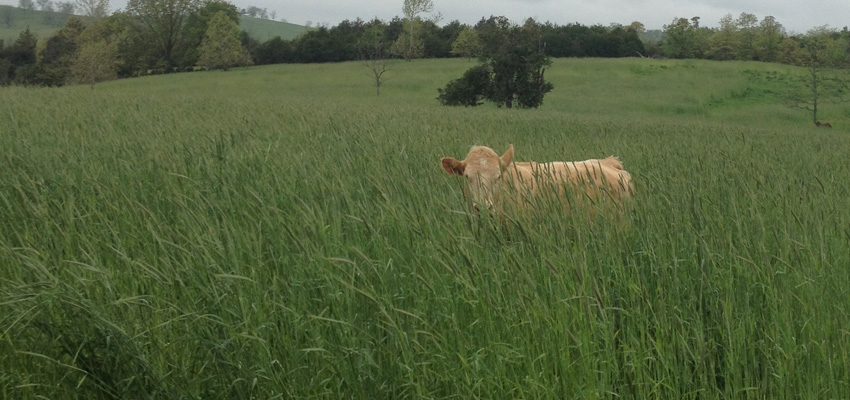
Cold Grazer Rye in Field with Cows
Cold Grazer Rye Growing in Field for Cattle Grazing
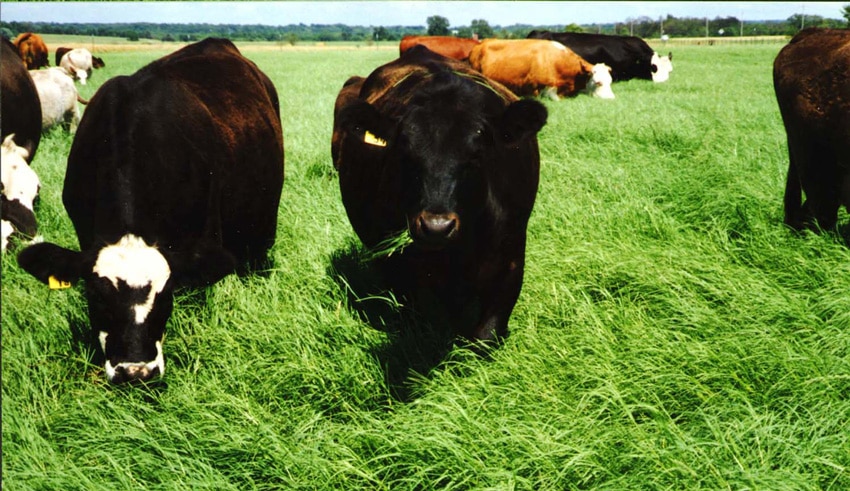
Cold Grazer Rye Seed Growing In Fields With Cows Eating