Seeds
At Nixa Hardware and Seed Co., we offer an extensive selection of premium seeds perfect for farming, agriculture, deer plots, and lush lawns. With our custom seed mixes and bulk purchasing options, you can find exactly what you need at unbeatable wholesale prices. Whether you’re a professional farmer or a landscape enthusiast, our high-quality seeds are designed to ensure your success.
Showing the single result
-
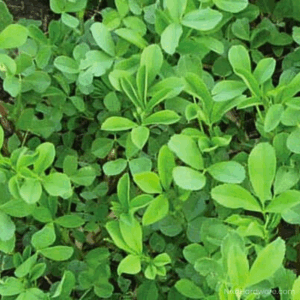
Vernal Alfalfa Seed
As low as $3.36 + Add to CartSKU: 2110.301
-
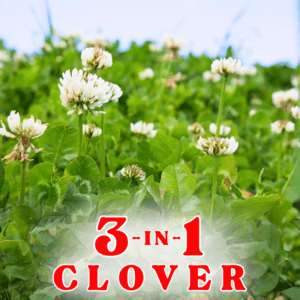
3 In 1 Clover Seed
As low as $4.72 + Add to CartSKU: 2139
-
N-Charge Soybean Inoculation
$3.25 + Add to CartSKU: 263
-
Vetch & Pea Inoculation
$7.25 + Add to CartSKU: 2116
-
Lespedeza, Cowpea, Sunn Hemp Inoculation
$8.72 + Add to CartSKU: 262
-
Alfalfa & Sweet Clover Inoculation
$7.45 + Add to CartSKU: 261
-
True Clover Inoculation
$7.45 + Add to CartSKU: 260
-
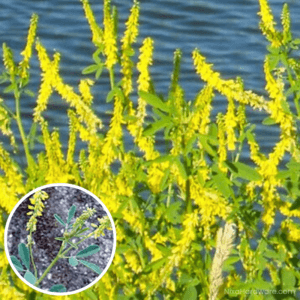
Sweet Clover – Yellow Blossom Seed
As low as $3.78 + Add to CartSKU: 208
-
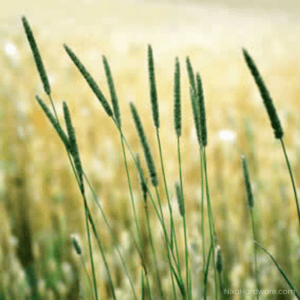
Timothy Grass Seed
$1.78 + Add to CartSKU: 247
-
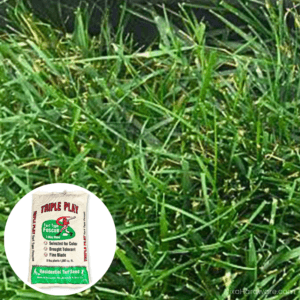
Triple Play Turf-Type Tall Fescue Lawn Grass Seed
As low as $1.96 + Add to CartSKU: 275
-
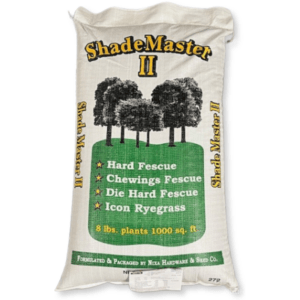
Shade Master II Tall Fescue Lawn Grass Seed
As low as $2.64 + Add to CartSKU: 272
-
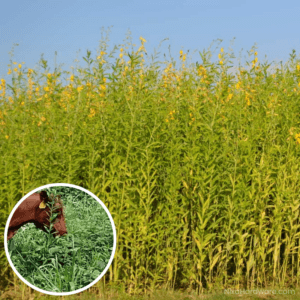
Sunn Hemp Seed
As low as $1.78 + Add to CartSKU: 971
-
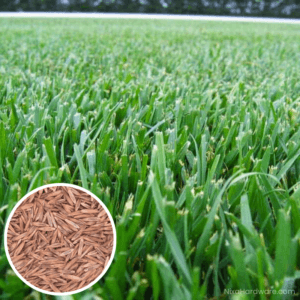
Teff Grass Seed – coated
As low as $1.98 + Add to CartSKU: 6522
-
Teff Grass Seed – uncoated
As low as $2.68 + Add to CartSKU: 2750
-
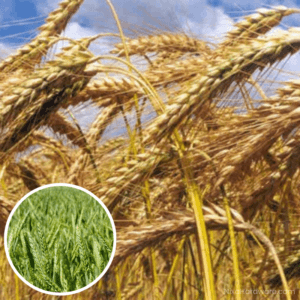
Triticale Seed TriCal Flex 719 50 lb
$21.85 + Add to CartSKU: 2210
-
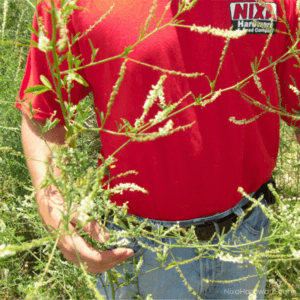
Sweet Clover – White Blossom Seed Coated
As low as $4.54 + Add to CartSKU: 2129
-
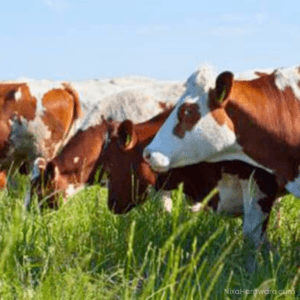
Persister Rescuegrass – Prairiegrass Seed (Improved Matua)
$2.68 + Add to CartSKU: 240
-
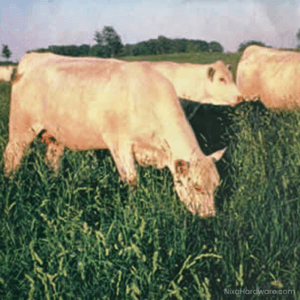
Potomac Orchard Grass Seed
$3.36 + Add to CartSKU: 230
-
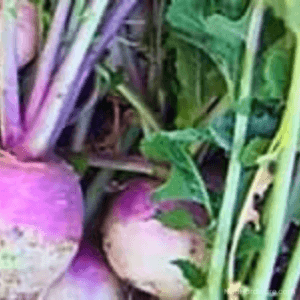
Purple Top Turnip Seed
As low as $1.68 + Add to CartSKU: 2169
-
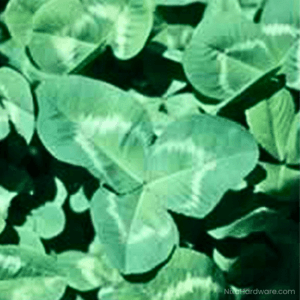
Rampart Ladino Clover Seed
As low as $4.72 + Add to CartSKU: 1083
-
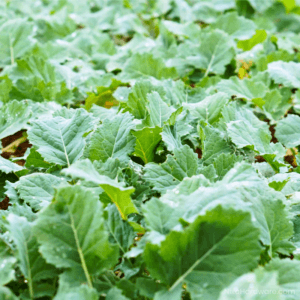
Rape Brassica Seed
As low as $1.18 + Add to CartSKU: 2127
-
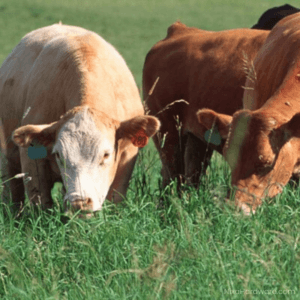
Red River Crabgrass Seed
As low as $6.18 + Add to CartSKU: 7648
-
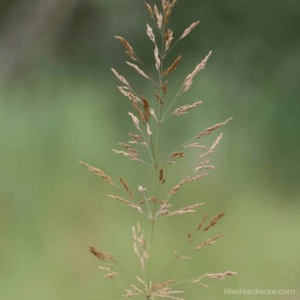
Red Top Grass Seed
$7.86 + Add to CartSKU: 244
-
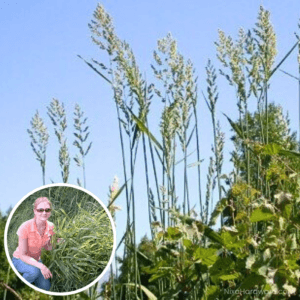
Reed Canary Grass Seed – Palaton
$5.64 + Add to CartSKU: 280
-
Roundup Ready Alfalfa Seed
As low as $7.84 + Add to CartSKU: 7544
-
Safe T Graze Sudan Grass Seed
$0.69 + Add to CartSKU: 225
-
Marshall Ryegrass Seed
$0.88 + Add to CartSKU: 458
-
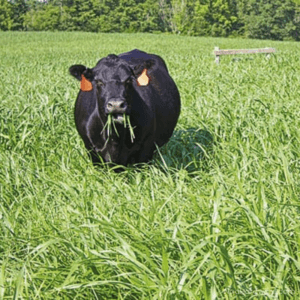
MaxQ II Texoma Fescue Seed – Friendly Endophyte
$4.28 + Add to CartSKU: 6275
-
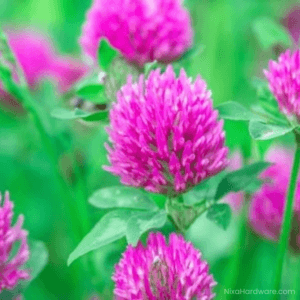
Medium Red Clover Seed – Coated
$1.98 + Add to CartSKU: 1520
-
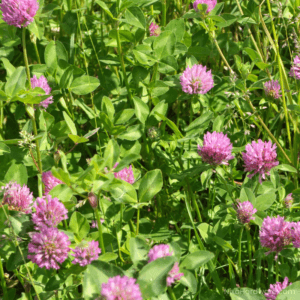
Medium Red Clover Seed – Raw (not coated)
$2.24 + Add to CartSKU: 2209


Helpful Questions & Answers
Find answers to common questions about Seeds from the Nixa Hardware & Seed Co team.
How Long Do Seeds Last
Agricultural seeds like fescue, orchardgrass, and various clovers are the backbone of a productive pasture, but they don’t stay at peak performance forever. Most forage grasses and legumes maintain high germination for two to four years, provided they are kept in a stable environment. However, once you cross that threshold, the “vigor” of the seed (the speed and strength with which it emerges) begins to drop significantly. Unlike a small garden plot where a few gaps are a minor nuisance, low-quality ag seed in a large-scale pasture means wasted fuel, more weed competition, and lost grazing time for your livestock. The embryos inside these seeds are living organisms, and as they age, they slowly burn through their internal energy reserves, leaving them too weak to push through the soil crust during a tough spring.
How To Store Seeds
Rodents and insects can turn a significant investment into a pile of hulls in a single season. When storing large quantities of pasture seed, always stack your bags on pallets to allow for proper air circulation and to discourage nesting. This is especially critical in the Ozarks, where fluctuating spring temperatures can cause bags to “sweat” if they are stacked too tightly against a wall. Ventilation is your best friend here. If you’re managing a long-term supply, rotating your stock by using the oldest seed first is a fundamental practice of good farm management. Protecting your seed from the elements today means you won’t be staring at a patchy, weed-filled field tomorrow. Taking these small preventative steps ensures that your forage remains high-quality and ready for the spreader the moment the ground is right.
Where Do Seeds Come From
At its simplest, every seed is a dormant plant embryo packed with a tiny “lunchbox” of energy, just waiting for the right soil conditions. For the agricultural seeds we rely on for our pastures, like fescue or orchardgrass, the journey starts in specialized “seed fields.” Unlike a hay field that is cut early to maximize protein, a seed field is left to mature until the plant heads have fully dried and the seeds have hardened. This process relies heavily on pollination, either via wind for most grasses or by essential insects like honey bees for legumes like clover. In the Ozarks, the timing of this harvest is a high-stakes game; if a producer waits too long, the seed “shatters” and falls to the ground, but harvesting too early results in weak embryos that won’t survive the winter.