Reed Canary Grass Seed – Palaton
$5.64
Bulk Seed Discount
In stock
-
Free Store Pickup
Available for MO, AR, KS, OK addresses at checkout
-
Shipping
Ships to lower 48 (excl. CA) on eligible items. -
Local Delivery
Available by phone; call to place order & schedule delivery
-
Shop In-Store
Open Mon–Sat, 8 am–6 pm for all items.
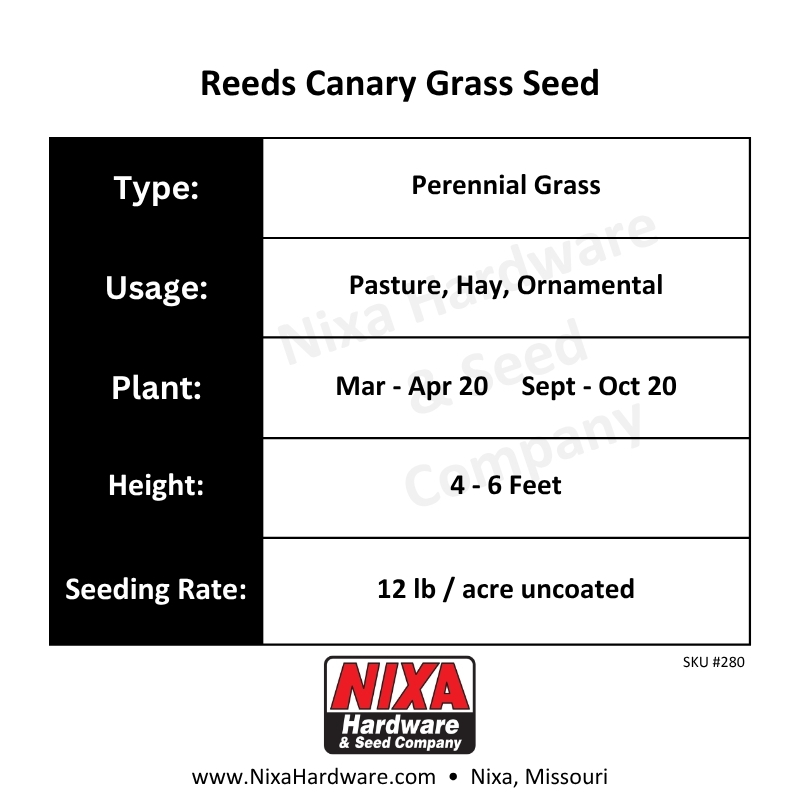
Type
Growing Season
Fall
Planting Dates
Sept to Oct 20
Height
Seeding Rate
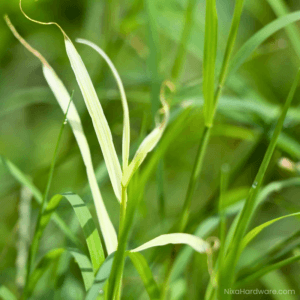
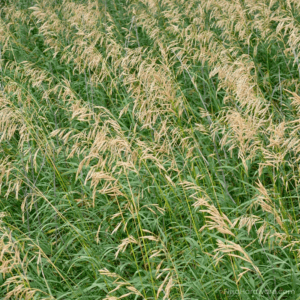
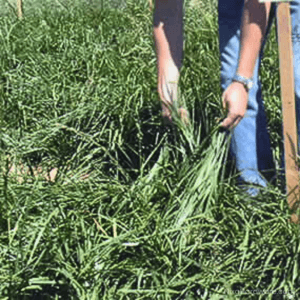
Palaton Reed Canary Grass Seed stands out as a low alkaloid variety that delivers improved palatability and safety for livestock compared to traditional reed canarygrass. This perennial grass thrives in challenging conditions where other cool-season grasses struggle, from waterlogged soils to drought situations. With its wide blades and rhizomatous growth pattern, Palaton creates dense stands that provide excellent forage and erosion control for years to come.
Key Features of Reed Canary Grass Seed
Additional Information
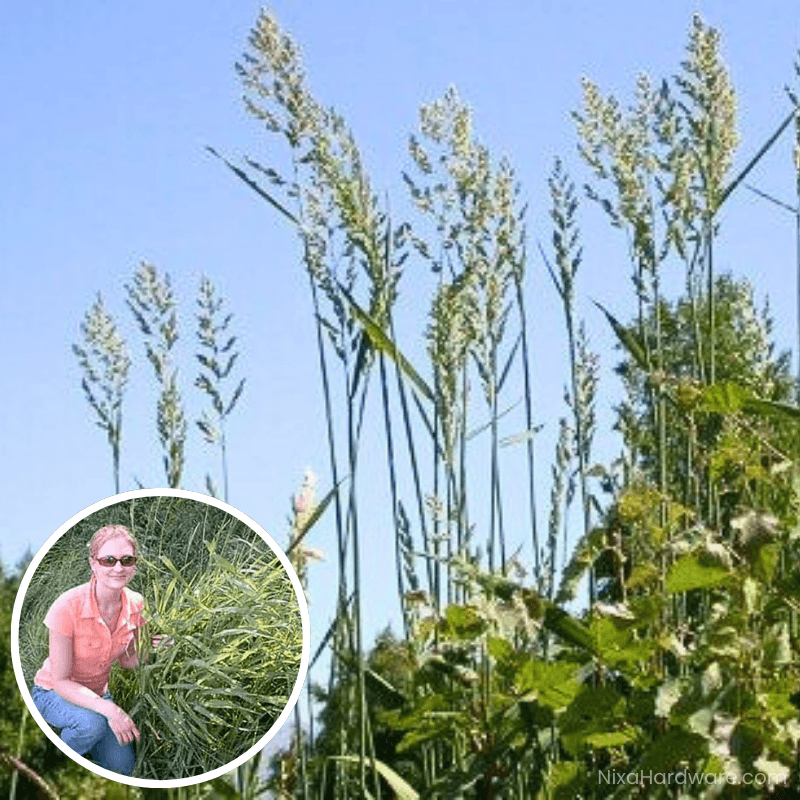
Beyond its remarkable adaptation to wet sites, Palaton Reed Canary Grass ranks among the most drought-tolerant cool-season grasses available. Management timing becomes crucial for maintaining forage quality – graze or mow before heading begins, as both palatability and nutritional value decline rapidly once seed heads emerge. The slow initial establishment requires patience, but once established, this variety forms persistent stands that can handle extreme weather conditions while providing reliable forage production for decades.