
Wood Post
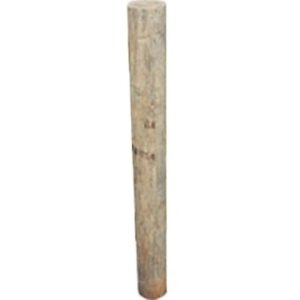
Wood posts are the traditional choice for corner, brace, and gate installations where a fence line needs solid anchoring. A well-set wood post handles the tension load that wire fencing puts on corners and ends, which is why most experienced fence builders still reach for wood at those critical points even when running t-posts down the line. Round and square posts come in treated options that resist rot and ground contact deterioration. Post diameter and length depend on your fence height, soil conditions, and whether the post is carrying a gate or just serving as a line brace.
Helpful Questions & Answers
Find answers to common questions about Wood Post from the Nixa Hardware & Seed Co team.
How To Install Wood Fence Post
Setting a post in concrete is the go-to for maximum stability, especially for corner posts or gate anchors that have to handle a lot of tension. After digging a hole that is roughly twice as wide as the post, you want to pour your concrete in while keeping the wood perfectly plumb with a level. A helpful tip is to slope the top of the concrete away from the wood—like a little crown—so that rain runs off rather than pooling around the base. In the Ozarks, where the heavy clay can hold onto moisture, this extra step is the best way to prevent the “bowl effect” that causes posts to rot right at the ground line. It is a bit of extra work on the front end, but it makes the difference between a ten-year fence and a thirty-year fence.
What Wood Posts Last The Longest
Pressure-treated lumber is the modern standard for durability, but you have to make sure you are buying the right grade for ground contact. Look for tags labeled “UC4B” or “Heavy Duty Ground Contact,” as these have been saturated with enough chemicals to ward off fungus and termites for decades. Pine is the most common wood used for this because its open grain allows the treatment to soak deep into the heartwood. While it might not have the rustic charm of a natural Cedar post, a high-quality pressure-treated post is incredibly reliable and widely available. It is a practical, cost-effective choice for a farm or a suburban backyard where you just want a fence that you do not have to think about again for twenty-five years.