Sandpaper
Surface prep is where a paint or stain job is won or lost, and sandpaper is the tool that gets you there. Nixa Hardware & Seed Co. carries sanding sponges, sanding blocks, sheets, and discs in a range of grits for wood, drywall, and painted surfaces. Start coarser to remove old finish or smooth rough wood, then work up to finer grits before your topcoat. Skipping grits is what leaves visible scratches under a clear finish.
Showing the single result
-
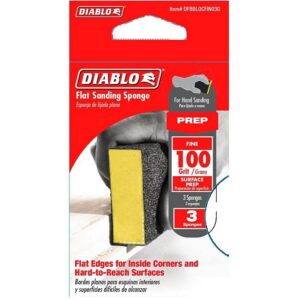
Diablo Fine Flat Edge Sanding Sponge 100 Grit 3pk
$5.84 + Add to CartSKU: 162584
-
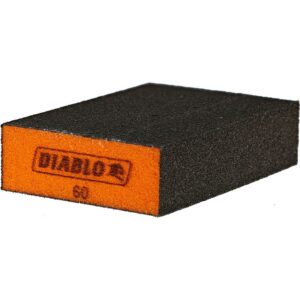
Diablo Flat Edge Sanding Block Medium 60 Grit
$1.42 + Add to CartSKU: 1018197
-
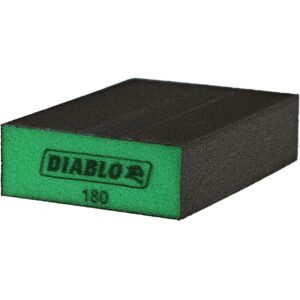
Diablo Flat Edge Sanding Sponge Ultra Fine 180 Grit
$1.74 + Add to CartSKU: 1018181
-
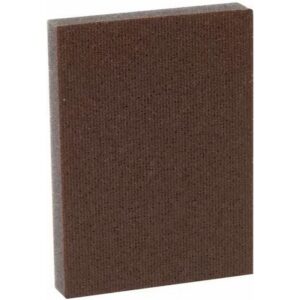
3M Pro-Pad Sanding Sponge 100 Grit 4”x4”
$0.74 + Add to CartSKU: 153511
-
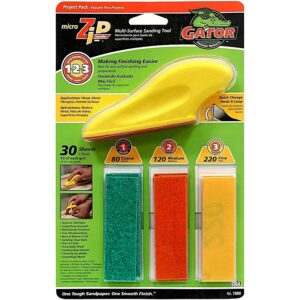
Gator MicroZip 7800 Sander Tool Kit
$12.84 + Add to CartSKU: 1787274
-
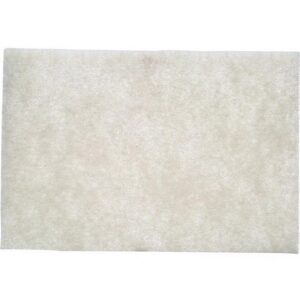
Scotch-Brite Light Duty Cleansing Pad 6”x9”
$1.86 + Add to CartSKU: 1091552
-
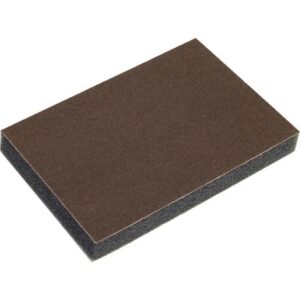
Norton Flexible Sanding Sponge 80 Grit 3”x4”
$0.86 + Add to CartSKU: 3307774
-
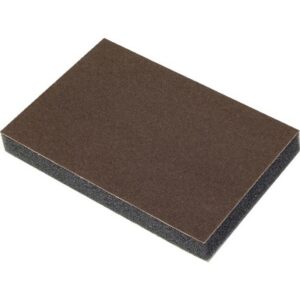
Norton Flexible Sanding Sponge 100 Grit 3”x4”x5”
$0.86 + Add to CartSKU: 3307758
-
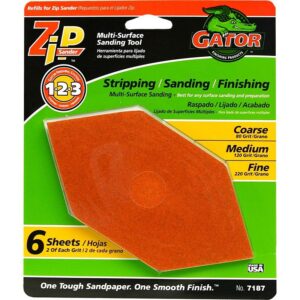
Gator Zip Sanding Refill Sheet Assortment 80/120/220 Grit 6pk
$5.42 + Add to CartSKU: 5393772
-
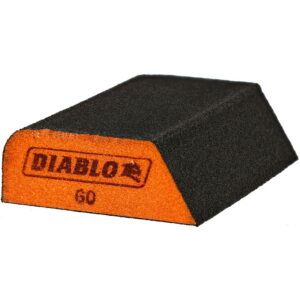
Diablo Dual-Edge Sanding Sponge Block 60 Grit 1”x2-1/2”x4”
$1.84 + Add to CartSKU: 1018165
-
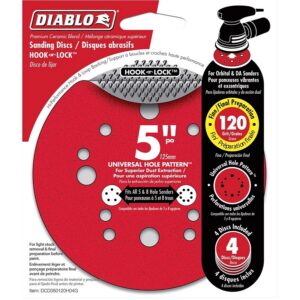
Diablo Hook & Lock Sanding Discs 120 Grit 5” 4pk
$4.86 + Add to CartSKU: 2486058
-
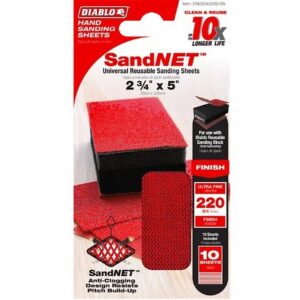
Diablo SandNET Reusable Sanding Sheet 220 Grit 2-3/4”x5”
$6.84 + Add to CartSKU: 1018178
-
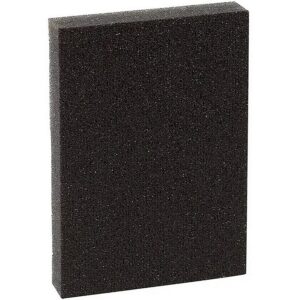
3M Pro-Pad Sanding Sponge 80 Grit 5”x3”x4”
$0.74 + Add to CartSKU: 153510
-
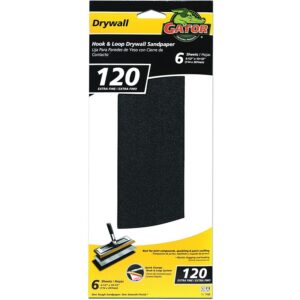
Gator Drywall Sandpaper 120 Grit 6 ct
$5.32 + Add to CartSKU: 5579644
-
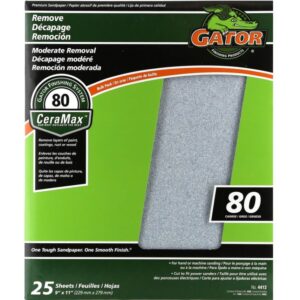
Gator Sandpaper 9″ x 11″ 80 Grit
$1.42 + Add to CartSKU: 1609387
-
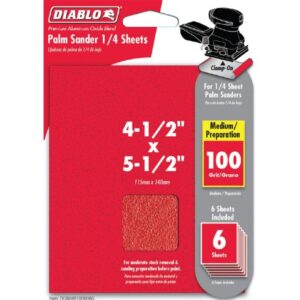
Diablo Sandpaper 100 Grit 4-1/2″x5-1/2″ 6 ct
$2.84 + Add to CartSKU: 7839962

Helpful Questions & Answers
Find answers to common questions about Sandpaper from the Nixa Hardware & Seed Co team.
What Grit Sandpaper For Drywall
For initial smoothing of joint compound, we recommend starting with a 120-grit or 150-grit Sandpaper. This is coarse enough to level out the “humps” in your mud without gouging the paper facing of the drywall. For your final finish pass, switching to a finer 220-grit ensures the surface is glass-smooth and ready for primer. In the Ozark and Nixa area, where natural light often hits walls at an angle, any imperfections will stand out, so that final light sanding is non-negotiable. We always suggest using a sanding pole to maintain even pressure; it’s much more effective than trying to hand-sand, and it keeps your face further away from the inevitable dust cloud that comes with a weekend of renovation.
How To Use Liquid Sandpaper
Using liquid Sandpaper, also known as a deglosser, is a chemical process that replaces the physical labor of scuffing up a surface. To start, you must thoroughly clean the piece with a degreaser to remove any oils or wax. Once dry, apply the liquid solution using a lint-free cloth or a coarse sponge, working in circular motions to ensure full coverage. The chemical reaction softens the existing finish, creating “teeth” that allow the new paint to bond. It is a much cleaner alternative to traditional methods, as it eliminates the fine dust that usually settles on every surface of the room. Just make sure to apply your primer or paint within the timeframe listed on the bottle for the best results.