Primer
Skip the primer and you’ll usually regret it. Peeling, bleed-through, and uneven color are all signs the surface wasn’t ready. A good primer seals, bonds, and blocks stains so your topcoat goes on right and lasts longer. Nixa Hardware & Seed Co. carries interior, exterior, spray, and oil-based options for walls, wood, metal, and more. Covering water stains or smoke damage? Reach for a stain-blocking formula like Kilz or Zinsser BIN. They’re built for the tough stuff.
Showing the single result
-
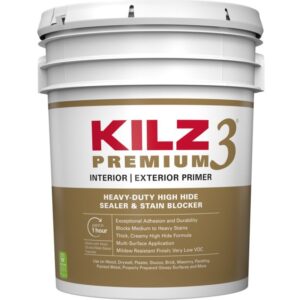
Kilz 3 Premium Interior Exterior Primer Flat White 5 gal
$181.74 + Add to CartSKU: 6180160
-
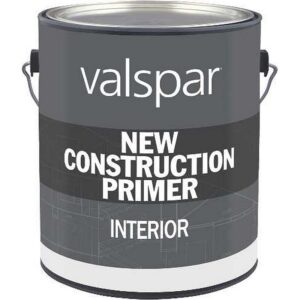
Valspar Professional Interior New Construction Primer White 1 gal
$42.86 + Add to CartSKU: 144097
-
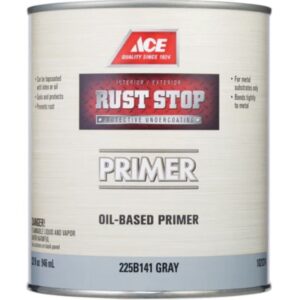
Ace Rust Stop Oil Based Primer Gray 1 qt
$17.84 + Add to CartSKU: 1021214
-
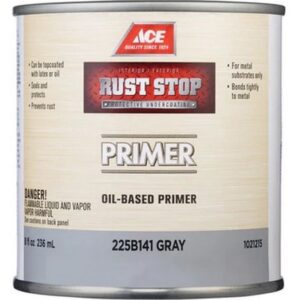
Ace Rust Stop Oil Based Primer Gray 8 oz
$6.84 + Add to CartSKU: 1021215
-
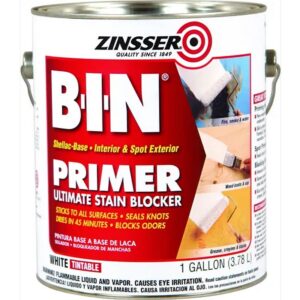
Zinsser BIN Primer Sealer White 1 gal
$93.84 + Add to CartSKU: 11325
-
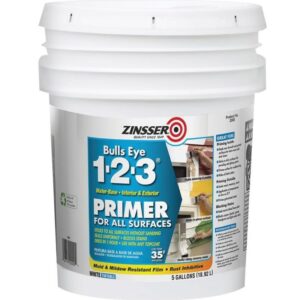
Zinsser Bulls Eye 123 Primer White 5 gal
$138.74 + Add to CartSKU: 1085315
-
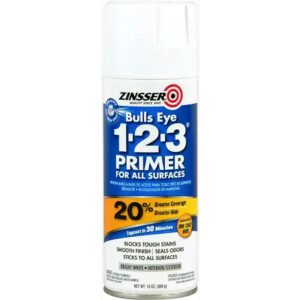
Zinsser Bulls Eye 123 Primer White Spray 13 oz
$8.74 + Add to CartSKU: 8510489
-
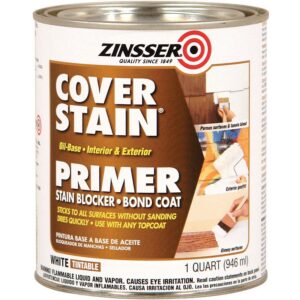
Zinsser Cover Stain Primer White 1 qt
$16.84 + Add to CartSKU: 1030550
-
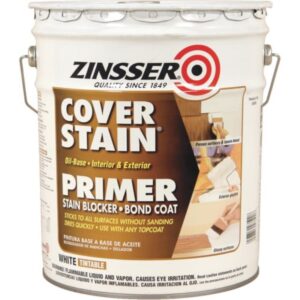
Zinsser Cover Stain Primer White 5 gal
$158.64 + Add to CartSKU: 1097666
-
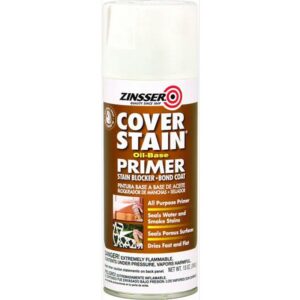
Zinsser Cover Stain Primer White Spray 13 oz
$11.84 + Add to CartSKU: 1101864
-
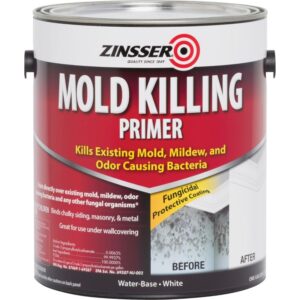
Zinsser Mold Killing Primer Flat White 1 gal
$46.84 + Add to CartSKU: 4730495
-
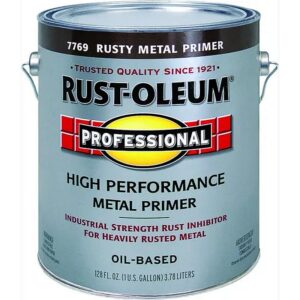
Rust-Oleum Professional Metal Primer Flat Red 1 gal
$68.42 + Add to CartSKU: 6264691
-
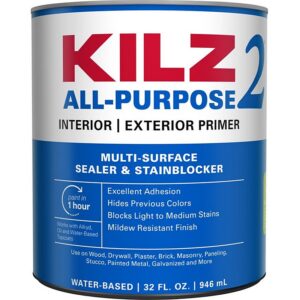
Kilz 2 All Purpose Sealer Stain Blocker Primer White 1 qt
$12.84 + Add to CartSKU: 17936
-
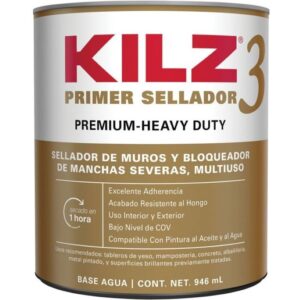
Kilz 3 Premium Interior Exterior Primer Flat White 1 qt
$12.86 + Add to CartSKU: 1000199
-
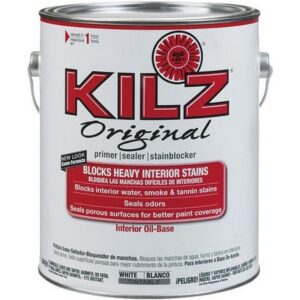
Kilz Original Interior Primer Flat White 1 gal
$49.84 + Add to CartSKU: 12579
-
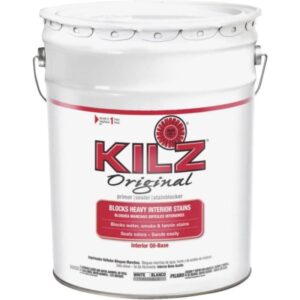
Kilz Original Interior Primer Flat White 5 gal
$199.86 + Add to CartSKU: 17380
-
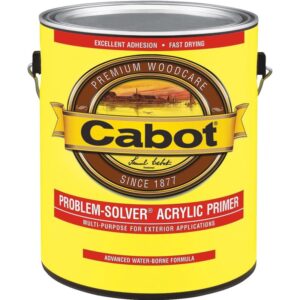
Cabot Exterior Acrylic Primer White 1 gal
$52.84 + Add to CartSKU: 6267041
-
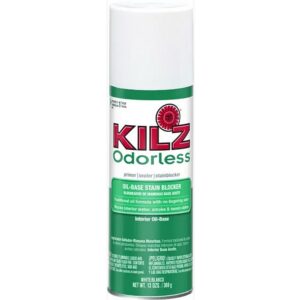
Kilz Low Odor Interior Spray Primer White 13 oz
$8.74 + Add to CartSKU: 1231729
-
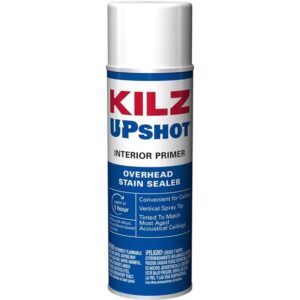
Kilz Upshot Interior Primer Spray Flat White 10 oz
$7.86 + Add to CartSKU: 1035286
-
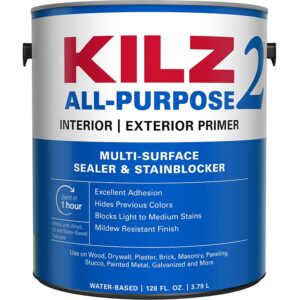
Kilz 2 All Purpose Sealer Stain Blocker Primer White 1 gal
$31.84 + Add to CartSKU: 17937
-
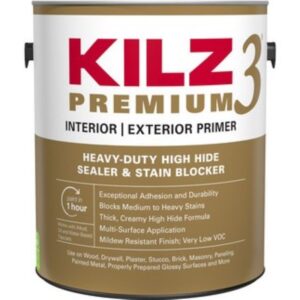
Kilz 3 Premium Interior Exterior Primer Flat White 1 gal
$41.84 + Add to CartSKU: 1000330
-
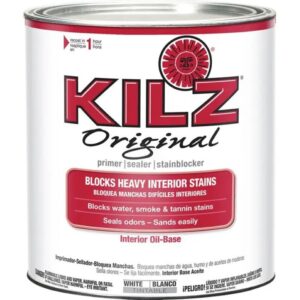
Kilz Original Interior Primer Flat White 1 qt
$18.74 + Add to CartSKU: 12578
-
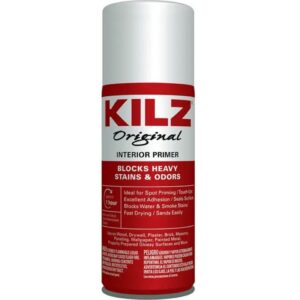
Kilz Original Interior Primer Flat White Spray 13 oz
$7.86 + Add to CartSKU: 12577
-
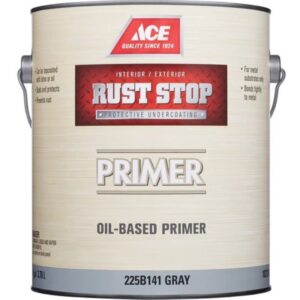
Ace Rust Stop Oil Based Primer Gray 1 gal
$56.84 + Add to CartSKU: 1021216
-
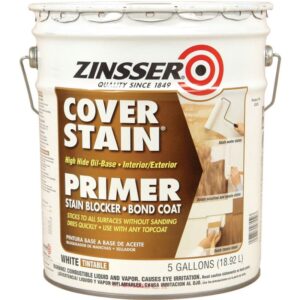
Zinsser Cover Stain High Hide Primer Matte White 5 gal
$198.74 + Add to CartSKU: 2429686
-
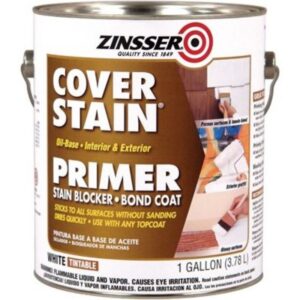
Zinsser Cover Stain Primer White 1 gal
$40.84 + Add to CartSKU: 1030592
-
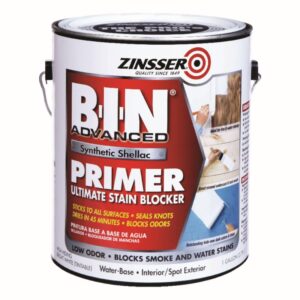
Zinsser BIN Advanced Synthetic Shellac Primer White 1 gal
$56.86 + Add to CartSKU: 1514173
-
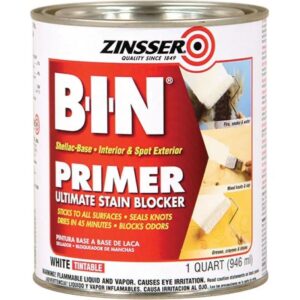
Zinsser BIN Primer Sealer White 1 qt
$31.84 + Add to CartSKU: 11324
-
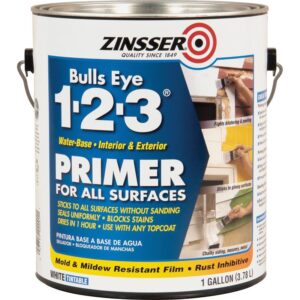
Zinsser Bulls Eye 123 Primer White 1 gal
$29.84 + Add to CartSKU: 16890
-
Zinsser Bulls Eye 123 Primer White 1 qt
$12.74 + Add to CartSKU: 16889

Helpful Questions & Answers
Find answers to common questions about Primer from the Nixa Hardware & Seed Co team.
What Is A Primer
Think of primer as the essential preparatory layer that sets the stage for a professional-looking paint job. It is a specialized coating designed to seal porous surfaces, provide a uniform texture, and ensure that your topcoat of paint adheres properly to the material. By using a primer, you prevent the paint from soaking unevenly into the surface, which often saves you from having to apply several extra coats of expensive finish paint just to get even coverage. It also acts as a protective barrier that helps block out old stains or odors and makes the final color look more vibrant and consistent.
How Many Coats Of Primer On Drywall
A single coat of primer is typically enough for most standard drywall projects, especially if the walls are in good condition and you are only making a subtle color change. However, brand-new, unfinished drywall is notorious for soaking up liquids like a sponge, so applying two coats is a safer bet to ensure the porous surface is fully sealed. This second pass helps create an even foundation so your final paint job doesn’t end up looking blotchy or dull in certain spots.
How Long To Let Primer Dry Before Painting
Most latex-based primers will be dry to the touch in about 30 to 60 minutes, though it is usually best to wait at least one to four hours before applying your topcoat. If you are using an oil-based formula, you’ll need a bit more patience, as these can take anywhere from 1 to 8 hours to dry to the touch and up to a full 24 hours to cure completely. Environmental conditions play a massive role in how quickly you can get back to work. If you are working on a project in the Springfield-Branson-Joplin region during a particularly humid stretch of weather, those drying times can easily double. It helps to keep the air moving with a fan or a dehumidifier to help the moisture evaporate faster. Before you start painting, give the surface a quick “scratch test” with a fingernail; if it leaves a mark or feels soft, it needs more time to set.