
Cat Behavior
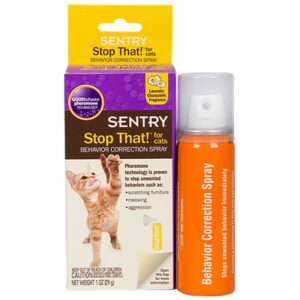
A cat that’s scratching the wrong things or spraying where it shouldn’t usually has a reason. Cat behavior products address the common ones: pheromone diffusers and calming collars for stress and anxiety, deterrent sprays to redirect habits that have already started, and interactive toys for cats that need more to do. Getting ahead of the pattern is easier than correcting it after it’s set.
Helpful Questions & Answers
Find answers to common questions about Cat Behavior from the Nixa Hardware & Seed Co team.
What Is The Most Common Behavior Problem In Cats
Inappropriate urination is easily the top issue people face with their feline roommates. If a cat stops using the litter box, they aren’t usually acting out of spite; they are typically signaling that something in their environment or health has shifted. Stress from a new pet, a change in the brand of litter, or even a hidden urinary tract infection can cause this shift in cat behavior. Keeping the box in a quiet, low-traffic area and maintaining a strict cleaning schedule often resolves the issue before it becomes a permanent habit.
What Is The Meaning Behind Cat Behavior
Many of the quirks we see, like “making biscuits” or the slow blink, are deeply rooted in a cat’s need for security. Kneading with their paws is a leftover instinct from kittenhood used to stimulate milk, and it shows they feel completely relaxed in your presence. Similarly, the slow blink is often called an “eye kiss”—it’s a sign of total trust, as they are willing to close their eyes in front of you. Recognizing these parts of cat behavior makes it much easier to build a bond that goes beyond just providing a food bowl.