
Cat Flea & Tick
Fleas don’t wait for a convenient time, and in the Ozarks the tick season runs longer than the calendar suggests. Cat flea and tick treatment comes in a few forms: topical solutions applied at the base of the neck, oral options, collars that work over time, and shampoos for active infestations. Each works differently and suits different situations. Topicals and orals break the life cycle. Collars are better for ongoing prevention. Nixa Hardware & Seed Co carries options across all of them.
Showing the single result
-
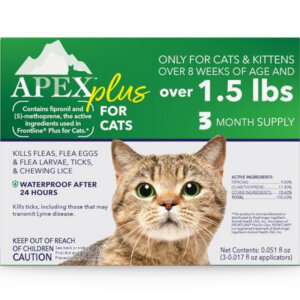
Apex Plus Flea Treatment for Cats 1.5 lb+ 3 pk
$19.84 + Add to CartSKU: 222626
-
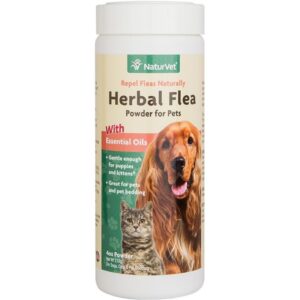
NaturVet Herbal Flea Powder 4 oz
$17.84 + Add to CartSKU: 214271
-
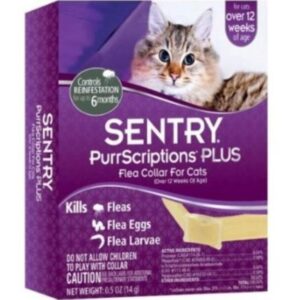
Sentry PurrScriptions Cat Flea Collar
$6.86 + Add to CartSKU: 5709837
-
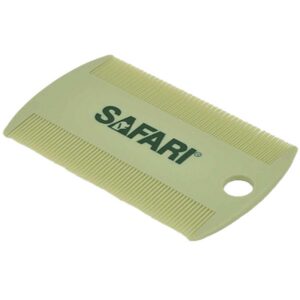
Safari Double-Sided Cat Flea Comb
$2.86 + Add to CartSKU: 132168
-
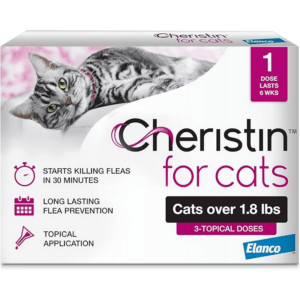
Cheristin Flea Treatment for Cats 3 ct
$38.72 + Add to CartSKU: 155434
-
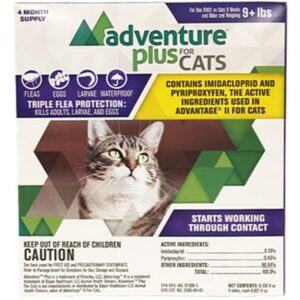
Adventure Plus for Cats 9+ lb Flea Protection 4 pk
$29.86 + Add to CartSKU: 146866
-
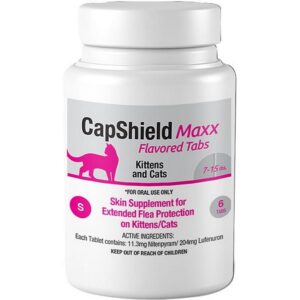
CapShield Maxx Cat & Kitten Tabs 6 ct
$29.86 + Add to CartSKU: 214508
-
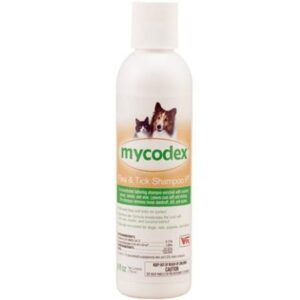
Mycodex Flea & Tick Pet Shampoo 6 oz
$7.86 Awaiting RestockSKU: 138021
-
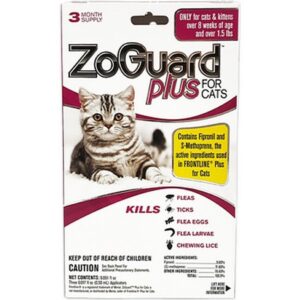
ZoGuard Plus 3-Month Flea & Tick Treatment for Cats 1.5 lb+
$21.84 Awaiting RestockSKU: 150851
-
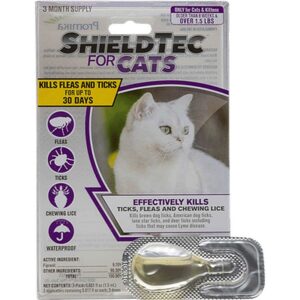
ShieldTec Plus Flea & Tick Treatment for Cats 1.5 lb 3 ct
$16.74 Awaiting RestockSKU: 158717
-
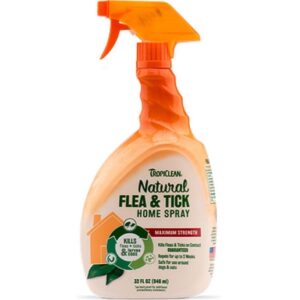
TropiClean Natural Flea & Tick Home Spray Max Strength 32 oz
$17.84 Awaiting RestockSKU: 147025
-
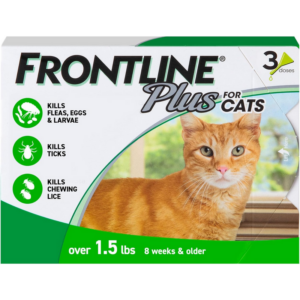
Frontline Plus Cats 3 ct
$43.12 Awaiting RestockSKU: 2518.363
-
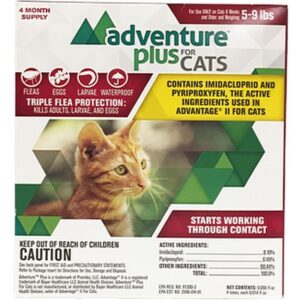
Adventure Plus for Cats 5-9 lb Flea Protection 4 pk
$28.86 Awaiting RestockSKU: 146865

Helpful Questions & Answers
Find answers to common questions about Cat Flea & Tick from the Nixa Hardware & Seed Co team.
Are Flea Collars Safe For Cats
The safety of a collar often comes down to the quality of the active ingredients. While high-end options like Seresto are generally well-tolerated, some cats have sensitive skin that might react to the chemicals. It is always a good idea to monitor the skin around the neck for the first few days to check for redness or hair loss. We suggest avoiding “bargain bin” collars that rely on heavy essential oils or harsh pesticides, as these are much more likely to cause an adverse reaction. When used correctly, a quality collar provides months of protection without much fuss.
What Is The Most Effective Flea And Tick Treatment For Cats
For cats that absolutely hate the feeling of a wet patch on their fur, oral tablets have become a popular and highly effective alternative. These fast-acting meds start killing fleas within hours and are great for quickly knocked down an active infestation. However, for continuous protection against the variety of ticks we see in Missouri, most experts still point toward high-grade topicals or vet-recommended collars. The key to effectiveness is consistency; skipping even a single month can give a few lucky fleas enough time to start a full-blown colony in your living room.