
Caulk & Sealants
Caulk and sealants handle the gaps, cracks, and seams that let water, air, and drafts in where they do not belong. Acrylic latex, silicone, polyurethane, and hybrid formulas each behave differently. Some paint over cleanly, some flex with the joint, and some hold up better in wet areas or extreme temperatures. Nixa Hardware & Seed Co. carries the range to cover interior trim work, exterior sealing, plumbing, roofing, and everything in between. Pick the right formula and actually seal the deal.
Showing the single result
-
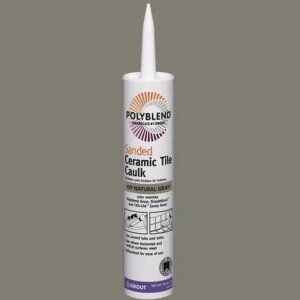
Polyblend Natural Gray Sanded Ceramic Tile Caulk 10.5 oz
$9.84 + Add to CartSKU: 1514918
-
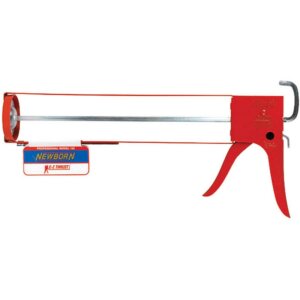
Newborn Model 125 E-Z Thrust Caulking Gun 1 qt
$17.84 + Add to CartSKU: 19216
-
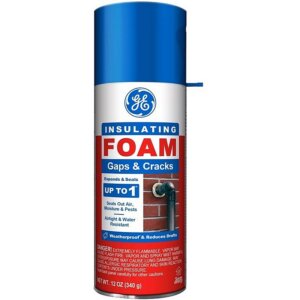
GE Gaps & Cracks Insulating Foam Sealant 12 oz
$6.74 + Add to CartSKU: 1036734
-
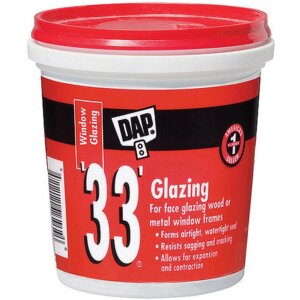
DAP 33 White Window Glazing Compound 0.5 pt
$4.84 + Add to CartSKU: 18469
-
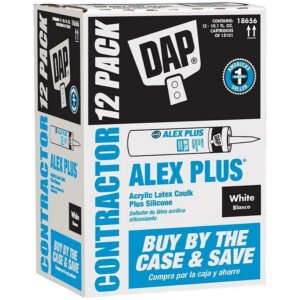
DAP Alex Plus White Siliconized Acrylic Latex Caulk 10.1 oz 12 pk
$44.84 + Add to CartSKU: 1028499
-
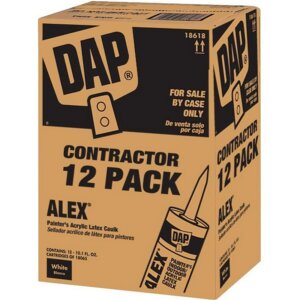
DAP Alex White Acrylic Latex Painter’s Caulk 10.1 oz 12 pk
$33.84 + Add to CartSKU: 1028500
-
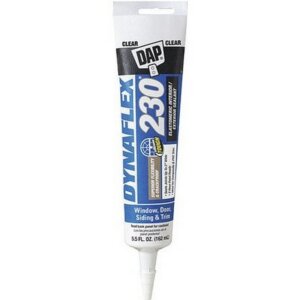
DAP Dynaflex 230 Clear Premium Latex Sealant 5.5 oz
$5.84 + Add to CartSKU: 1595883
-
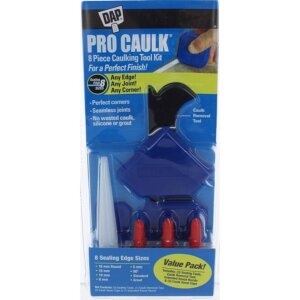
DAP Pro Caulk 8-Piece Caulking Tool Kit
$14.74 + Add to CartSKU: 1397231
-
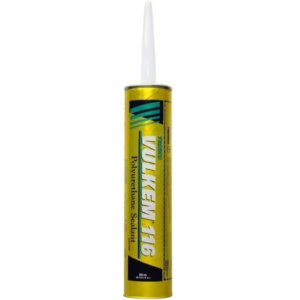
Tremco Vulkem 116 White Polyurethane Sealant 10.1 oz
$8.74 + Add to CartSKU: 166226
-
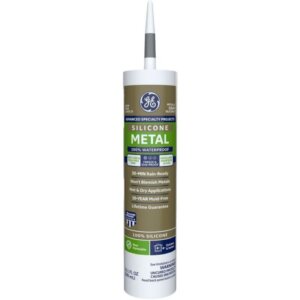
GE Advanced Gray Silicone Metal Gutter Sealant 9.8 oz
$9.86 + Add to CartSKU: 8968885
-
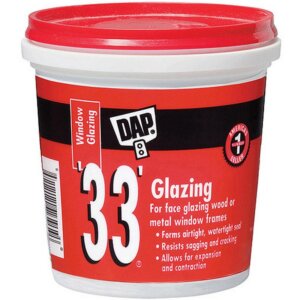
DAP 33 White Window Glazing Compound 1 pt
$8.74 + Add to CartSKU: 18470
-
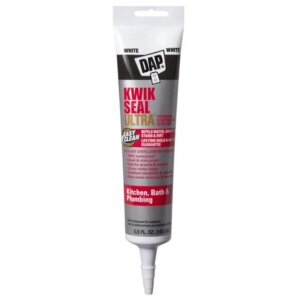
DAP Kwik Seal Ultra White Kitchen & Bath Sealant 5.5 oz
$7.84 + Add to CartSKU: 1595222
-
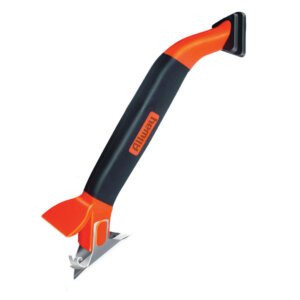
Allway Tools 3-in-1 Caulk Tool
$6.86 + Add to CartSKU: 1594357
-
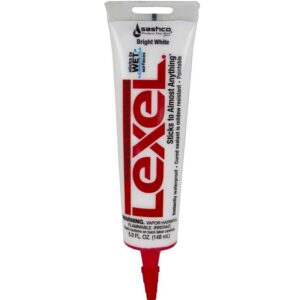
Sashco Lexel Bright White Caulk 5 oz
$8.74 + Add to CartSKU: 17532
-
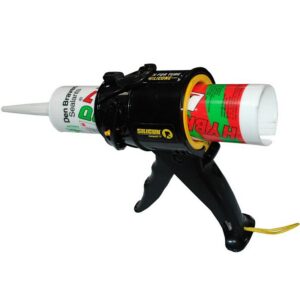
Siligun Compact 4” Caulking Gun 10 oz
$22.84 + Add to CartSKU: 1027011
-
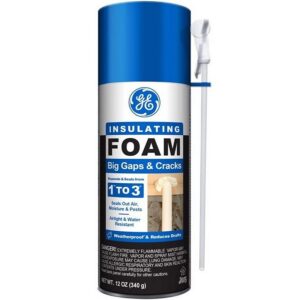
GE Big Gaps & Cracks Yellow Foam Insulating Sealant 12 oz
$7.84 + Add to CartSKU: 1036735
-
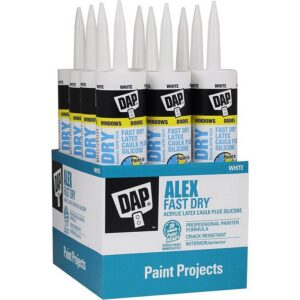
DAP Alex Fast Dry White Siliconized Acrylic Latex Caulk 10.1 oz 12pk
$52.84 + Add to CartSKU: 1028159
-
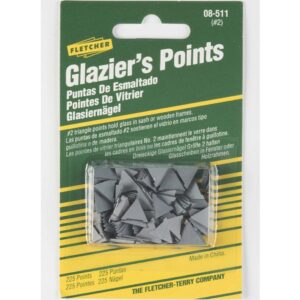
Fletcher Glazier No. 2 Triangle Points 225pk
$2.77 + Add to CartSKU: 11181
-
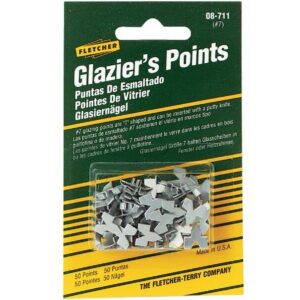
Fletcher Glazier Push Points No. 7 50pk
$2.76 + Add to CartSKU: 11182
-
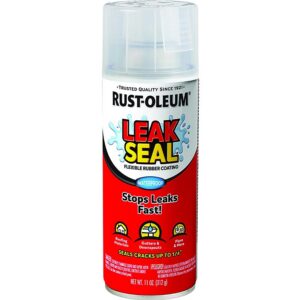
Rust-Oleum LeakSeal Clear Rubber Sealant Spray 12 oz
$22.84 + Add to CartSKU: 1502533
-
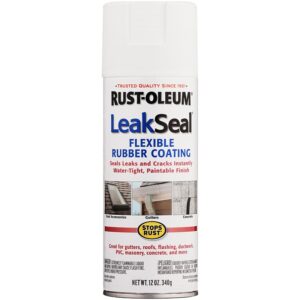
Rust-Oleum LeakSeal White Rubber Sealant Spray 12 oz
$17.84 + Add to CartSKU: 1502541
-
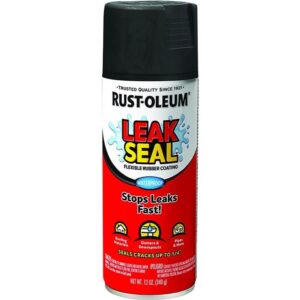
Rust-Oleum LeakSeal Black Flexible Rubber Coating Spray 12 oz
$16.84 + Add to CartSKU: 1492503
-
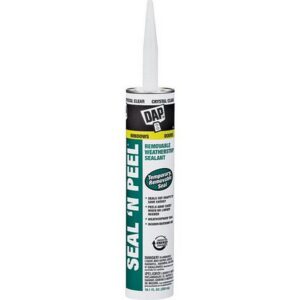
DAP Seal ‘N Peel Clear Removable Caulk 10.1 oz
$8.74 + Add to CartSKU: 1329770
-
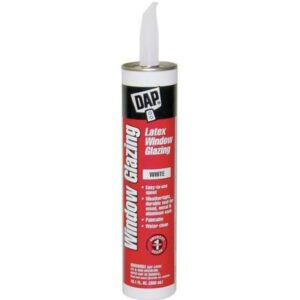
DAP Acrylic Latex White Window Glazing Caulk 10.1 oz
$6.74 + Add to CartSKU: 12915
-
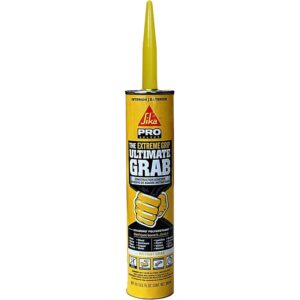
SikaBond Gray Ultimate Grab Polyurethane Construction Adhesive 10.1 oz
$9.74 + Add to CartSKU: 1015073
-
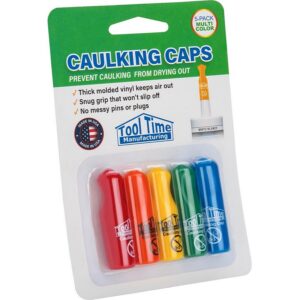
Tool Time Reusable Caulking Caps 5pk
$4.84 + Add to CartSKU: 1034582
-
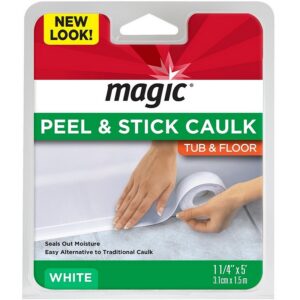
Magic White Peel & Stick Tub & Floor Caulk Strip 1/2”x5’
$5.84 + Add to CartSKU: 6870836
-
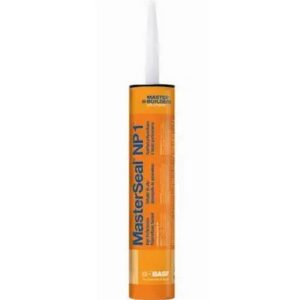
MasterSeal NP1 Limestone Elastomeric Poylurethane Sealant 10 oz
$10.84 + Add to CartSKU: 1492537
-
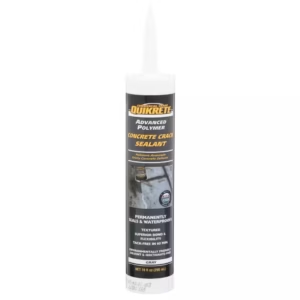
Quikrete Gray Polyurethane Concrete Crack Sealant 10 oz
$8.86 + Add to CartSKU: 1474915
-
Quikrete Self-Leveling Gray Cement Crack Filler 5.5 oz
$5.84 + Add to CartSKU: 1269612
Helpful Questions & Answers
Find answers to common questions about Caulk & Sealants from the Nixa Hardware & Seed Co team.
What Is Caulk
Caulk is essentially a flexible sealant used to fill gaps and joints between two different surfaces. Think of it as the protective “gasket” for your home that keeps water, air, and pests from sneaking into places they don’t belong. It comes in several varieties, but the most common are silicone (perfect for wet areas like bathrooms) and acrylic latex, which is often used for trim because it’s easy to paint. For those of us living in SWMO and NWAR, maintaining a good seal around windows and doors is the first line of defense against our humid summers and biting winter drafts. It’s a simple material that does the heavy lifting of keeping your house airtight and dry, saving you money on utility bills over the long haul.
How To Store Caulk
The biggest frustration with Caulk is finding your half-used tube has turned into a solid plastic brick. To keep it fresh, you need to create an airtight seal at the tip immediately after use. We suggest using a long screw or a specialized “caulk cap” that twists onto the nozzle to block out any air. Some of our neighbors in swear by the “electrical tape” method, where you tightly wrap the tip to create a temporary vacuum. If you can keep oxygen away from the opening, a tube can easily last for several months of small touch-ups around the house. It’s a lot better than having to run back to the store every time you find one tiny gap that needs filling.
How To Use Caulk
Applying a clean bead starts with how you prep the nozzle and the surface. You’ll want to cut the tip of the tube at a 45-degree angle, making sure the opening is just wide enough to cover the gap you’re filling. Always use a utility knife for a sharp, clean cut; using wire cutters can crush the tip and lead to a messy, uneven flow. Before you even touch the trigger, make sure the area is completely free of old Caulk, dust, and soap scum. A clean surface is the only way to get a bond that actually lasts. If you’re nervous about a steady hand, try applying a strip of painter’s tape to both sides of the joint to keep your lines perfectly straight.