
Forage & Pasture Seed
Forage & Pasture Seed includes blends and individual species selected to provide high-quality grazing for livestock while improving soil health and farm productivity. Common options feature grasses like fescue, ryegrass, orchardgrass, timothy, and native species, as well as legumes such as alfalfa, red clover, and white clover. These mixes are tailored for climate adaptability, soil compatibility, and the nutritional needs of cattle, sheep, horses, and other grazing animals. Using diverse seed mixes supports year-round forage, boosts yield, enhances animal nutrition, and promotes sustainable land management.
Showing the single result
-
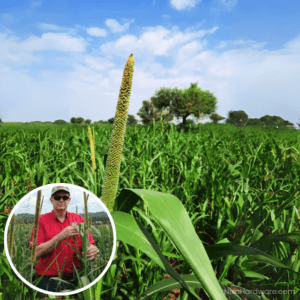
Hybrid Pearl Millet Seed
$1.48 + Add to CartSKU: 226
-
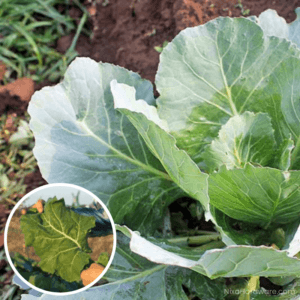
Impact Forage Collards Seed
As low as $2.48 + Add to CartSKU: 886
-
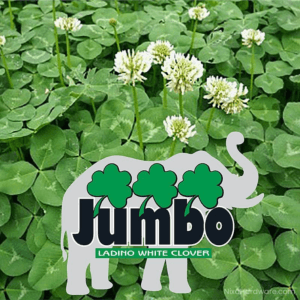
Jumbo Ladino Clover Seed
As low as $4.92 + Add to CartSKU: 2206
-
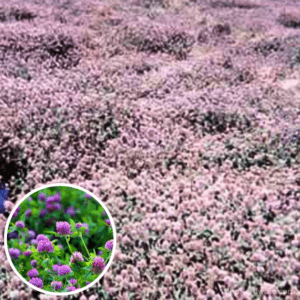
Kenland Red Clover Seed – inoculated; not coated
$2.48 + Add to CartSKU: 203
-
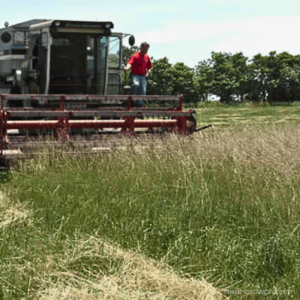
Kentucky 31 Tall Fescue Seed
$1.58 + Add to CartSKU: 2231
-
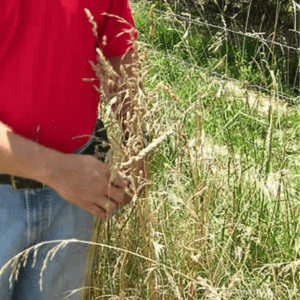
Kentucky 32 Tall Fescue Seed
$2.18 + Add to CartSKU: 2232
-
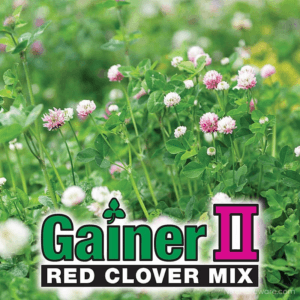
Gainer II Mix- Red Clover Seed
$2.72 + Add to CartSKU: 201
-
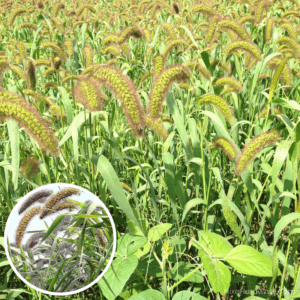
German Foxtail Millet Seed – Strain R
$0.86 + Add to CartSKU: 222
-
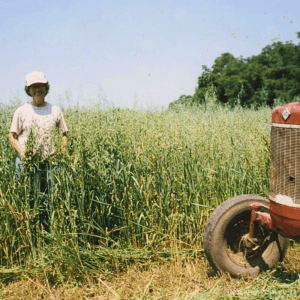
Goliath Oat Seed 48 lb
$17.45 + Add to CartSKU: 216
-
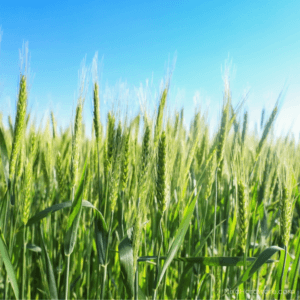
Forage Maxx Wheat Seed
$13.85 + Add to CartSKU: 399
-
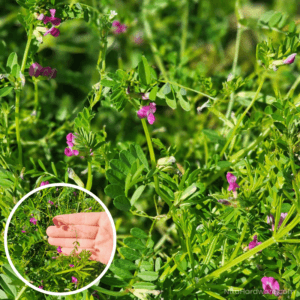
Hairy Vetch Seed
As low as $1.94 + Add to CartSKU: 2126
-
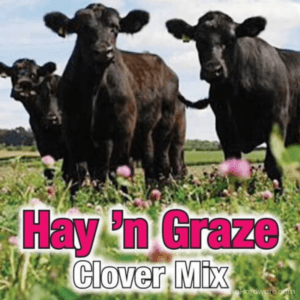
Hay ‘n Graze Clover Mix (70% Red Clover – 30% Haygrazer Alfalfa)
$2.88 + Add to CartSKU: 481
-
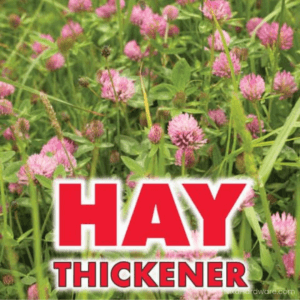
Hay Thickener Seed Mix (Red Clover + Orchard)
$2.78 + Add to CartSKU: 4787
-
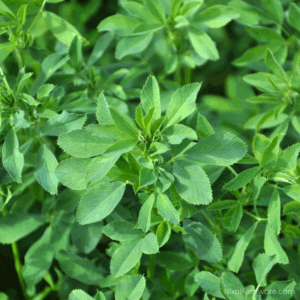
Haygrazer Alfalfa Seed
As low as $3.78 + Add to CartSKU: 214
-
Fast Pasture Seed Mix
$2.16 + Add to CartSKU: 233
-
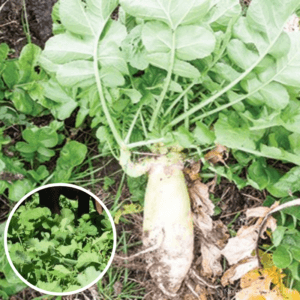
Forage Type Turnip Seed
As low as $1.78 + Add to CartSKU: 2189
-
Common Sense Alfalfa Seed
As low as $3.68 + Add to CartSKU: 211
-
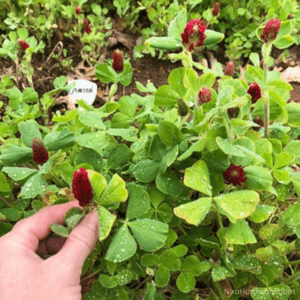
Crimson Clover Seed
As low as $1.46 + Add to CartSKU: 209
-
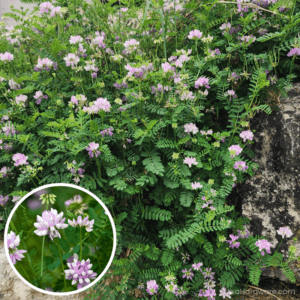
Crown Vetch Seed
$19.86 + Add to CartSKU: 2117
-
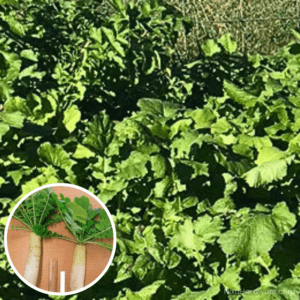
Daikon Radish Seed
As low as $1.68 + Add to CartSKU: 6388
-
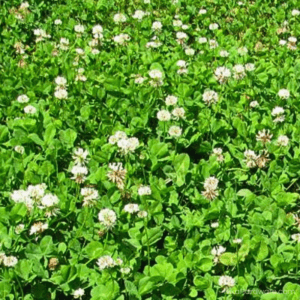
Durana White Clover Seed
As low as $6.96 + Add to CartSKU: 2196
-
KY-31 Tall Fescue Seed Endophyte-Free
$2.18 + Add to CartSKU: 2168
-
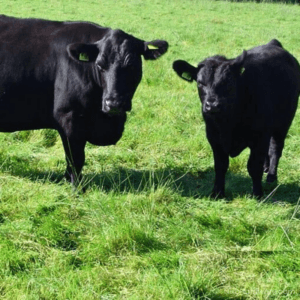
Estancia Fescue Seed – Friendly Endophyte
$3.62 + Add to CartSKU: 5907
-
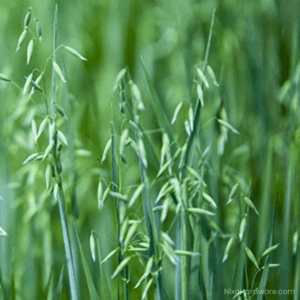
Fall Forage Oat – Bob Oats 50 lb
$20.94 + Add to CartSKU: 2188
-
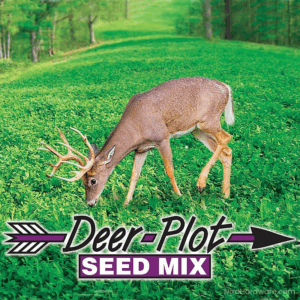
Deer Plot Seed Mix
$1.56 + Add to CartSKU: 2152
-
Arid “DR” Orchard Grass Seed
$3.38 + Add to CartSKU: 147
-
Arid Haymaker Seed Mix – Orchard + Red Clover
$3.28 + Add to CartSKU: 1701
-
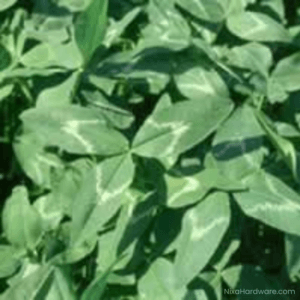
Arrowleaf Clover Seed
As low as $2.96 + Add to CartSKU: 210
-
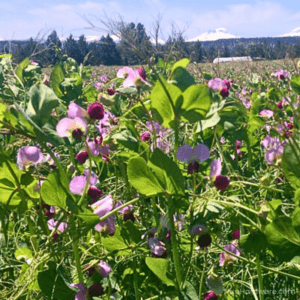
Austrian Winter Pea Seed
As low as $0.94 + Add to CartSKU: 2166
-
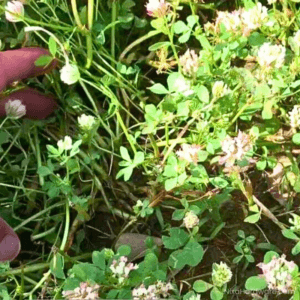
Balansa Clover Seed – Viper
As low as $2.98 + Add to CartSKU: 4215


Helpful Questions & Answers
Find answers to common questions about Forage & Pasture Seed from the Nixa Hardware & Seed Co team.
What Is The Best Seed For Horse Pasture
Timothy Grass and Potomac Orchard Grass are usually the top picks for horses because they offer high fiber and lower sugar levels than many other forage varieties. Timothy Grass Seed is a classic choice for a reason—it is extremely palatable and stays productive even when the summer heat starts to climb. For a bit more variety and durability, adding Potomac Orchard Grass Seed to the mix can help the stand recover faster after heavy grazing sessions. It is important to avoid certain traditional fescues that can cause health issues for pregnant mares, so sticking to these high-quality, safe grasses is a reliable bet. Keeping the pasture diverse ensures your horses stay interested and the ground stays covered through the seasons.
How To Prepare Pasture For Seeding
Success in a new seeding often comes down to the work done before the bag is even opened. Taking a soil sample is a smart first step to see if you need to add lime or fertilizer to get the pH in the right ballpark for your specific Forage & Pasture Seed. Out here in the Ozark hills, the soil can be a bit acidic, so getting that balance right makes a massive difference in how well a crop like Vernal Alfalfa or Kentucky 32 Tall Fescue takes hold. After the soil is prepped, clearing away any large rocks or debris that could interfere with your equipment is essential. A clean, firm seedbed allows for consistent growth and prevents patchy spots that are prone to weed invasion.